



KLIPSPRINGER
Oreotragus oreotragus
DESCRIPTION
The Klipspringer is a small antelope known for its unique adaptations to rocky habitats. It has a compact body, long legs, and a distinctive coat that ranges from yellowish-brown to gray, which helps it blend into its rocky surroundings. Klipspringers are known for their remarkable agility, allowing them to navigate steep and uneven terrain with ease, and they often stand on their toes to maintain balance on rocky outcrops.
FUN FACTS
- Klipspringers are known for their unique ability to jump and climb on rocky surfaces, which is a remarkable adaptation that allows them to escape predators and find food
- Their name, derived from the Afrikaans word 'klip' meaning 'rock', reflects their natural habitat preference
- | These antelopes have a unique way of communicating with each other, using a series of whistles and barks to alert others of danger
- Their keen eyesight and hearing also play a crucial role in their survival in the wild
QUICK INFO
Lifespan10-15 years in the wild
Average Weight10-15 kg
Average Length0.9-1.1 m
Diet TypeHerbivore
Social Structuresolitary or in pairs, occasionally found in small groups
Activity PatternDiurnal
Breeding SeasonYear-round, with peaks depending on local conditions
- Habitat
- Klipspringers inhabit rocky hillsides and mountainous regions, often favoring areas with sparse vegetation. They are well-adapted to these rugged environments, which provide both food and protection from predators.
- Biomes
- Mountain, Grassland
- Native Range
- Klipspringers are native to eastern and southern Africa, primarily found in mountainous and rocky areas.
- Continent
- Africa
- Countries
- South Africa, Namibia, Botswana, Zimbabwe, Kenya, Tanzania, Uganda
- Diet
- Klipspringers are herbivores that primarily feed on a variety of grasses, leaves, and shoots. They are known to selectively graze on the most nutritious parts of plants.
- Diet Type
- Herbivore
- Favorite Food
- grasses, leaves, shoots
- Social Structure
- solitary or in pairs, occasionally found in small groups
- Activity Pattern
- Diurnal
- Group Size
- 1-3
- Territorial
- 0
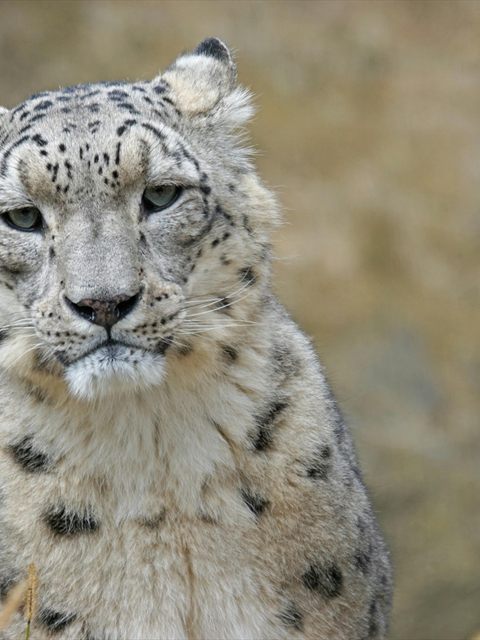 VU
VU
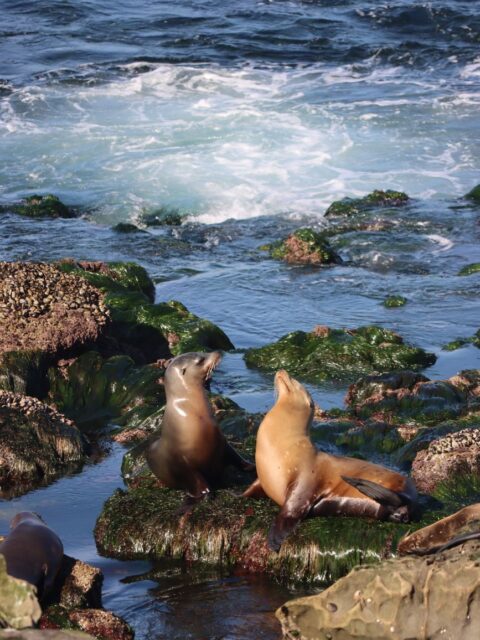 LC
LC
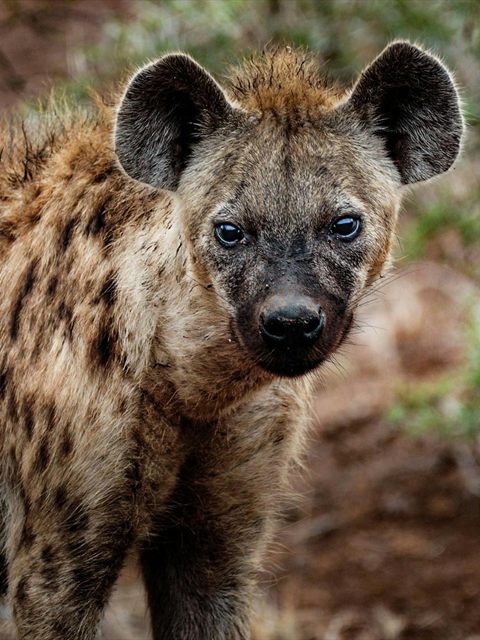 LC
LC
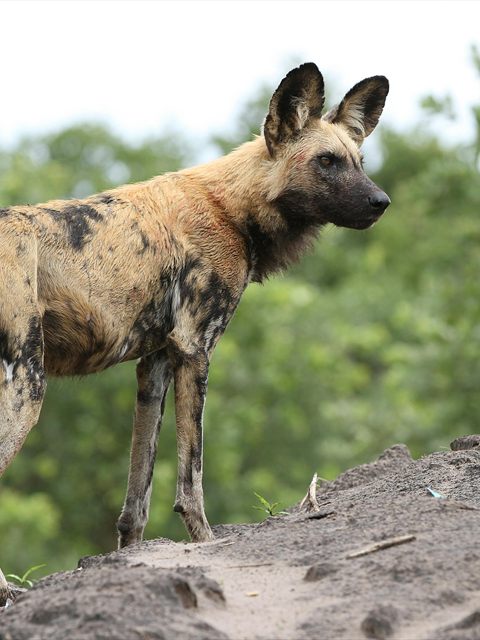 EN
EN
10-15 kg
Weight
0.9-1.1 m
Length
0.6-0.8 m at shoulder
Height (Shoulder)
- Coloration
- yellowish-brown to gray with a lighter underbelly
- Sexual Dimorphism
- males have longer horns than females
- Lifespan
- 10-15 years in the wild
- Gestation Period
- 210 days
- Offspring per Birth
- 1
- Sexual Maturity
- 1-2 years
- Breeding Season
- Year-round, with peaks depending on local conditions
LC
Least Concern
IUCN Red List Status
- Population Status
- The population is currently stable, but localized threats exist.
- Wild Population Estimate
- unknown
- Population Trend
- Stable
- Endangered
- 0
- Threats
- Main threats include habitat loss due to agriculture and human encroachment. Additionally, they are vulnerable to predation by larger carnivores.
- Predators
- Leopards, lions, hyenas, and African wild dogs
- Defense Mechanisms
- Klipspringers rely on their agility and ability to escape into rocky terrain to evade predators.
- Found in Zoos
- Uncommon