


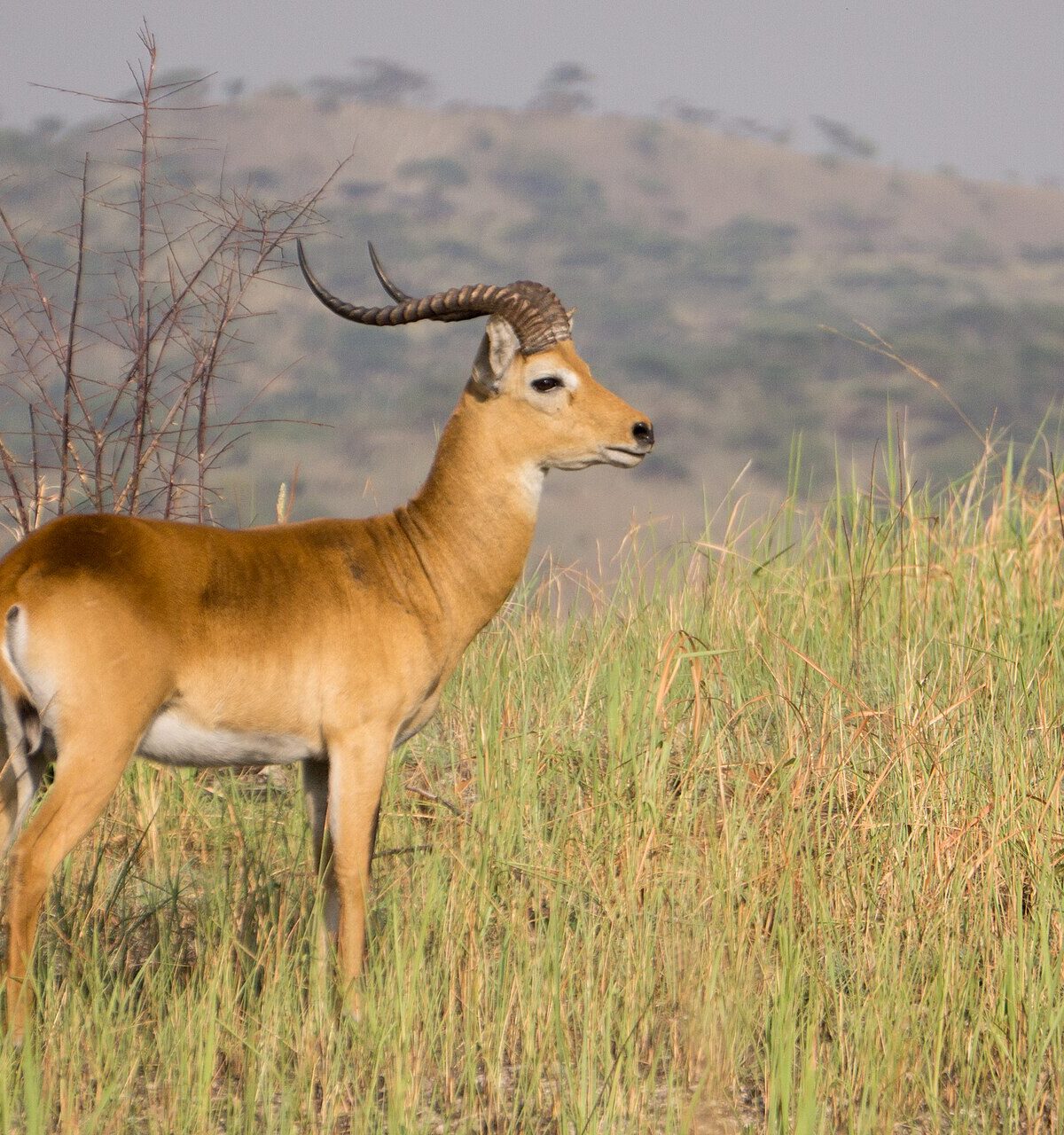
KOB
Kobus lechwe
DESCRIPTION
The Kob, or Kobus lechwe, is a medium-sized antelope characterized by its long, slender legs and a distinctive reddish-brown coat. Males possess long, curved horns that can reach up to 90 cm in length, while females are hornless and generally smaller. These animals are well-adapted to their wetland habitats, often seen grazing in shallow waters and marshes, where they can escape predators and find abundant food.
FUN FACTS
- Kobs are excellent swimmers and can submerge themselves in water to evade predators, making them unique among antelopes
- They also have a fascinating social structure, where males establish dominance through displays of strength and agility, often engaging in impressive leaps and runs to impress females
QUICK INFO
Lifespan10-15 years in the wild, up to 20 years in captivi
Average Weight50-100 kg
Average Length1.2-1.8 m
Diet TypeHerbivore
Social StructureKobs typically live in groups, often consisting of females and their young, while males may be solitary or form small bachelor groups.
Activity PatternDiurnal
Breeding SeasonYear-round, with peaks depending on local conditions
- Habitat
- Kobs inhabit wetlands, swamps, and floodplains, where they can find ample vegetation and water. They are often found in areas with tall grasses and reeds that provide cover from predators.
- Biomes
- Wetlands, Savanna
- Native Range
- Kobs are native to the central and southern regions of Africa, particularly in countries with extensive wetlands.
- Continent
- Africa
- Countries
- Botswana, Namibia, Zambia, Angola
- Diet
- Kobs are herbivores that primarily feed on grasses and aquatic plants. They are known to graze in the early morning and late afternoon when temperatures are cooler.
- Diet Type
- Herbivore
- Favorite Food
- grasses, aquatic plants
- Social Structure
- Kobs typically live in groups, often consisting of females and their young, while males may be solitary or form small bachelor groups.
- Activity Pattern
- Diurnal
- Group Size
- 10-50
- Territorial
- 0
 LC
LC
 VU
VU
 LC
LC
 VU
VU
50-100 kg
Weight
1.2-1.8 m
Length
0.9-1.2 m at shoulder
Height (Shoulder)
- Coloration
- reddish-brown with lighter underparts
- Sexual Dimorphism
- Males are larger and have horns, while females are smaller and hornless.
- Lifespan
- 10-15 years in the wild, up to 20 years in captivi
- Gestation Period
- 230 days
- Offspring per Birth
- 1
- Sexual Maturity
- 1-2 years
- Breeding Season
- Year-round, with peaks depending on local conditions
LC
Least Concern
IUCN Red List Status
- Population Status
- The population of Kobs is currently stable in some areas, but they face threats from habitat loss and hunting.
- Wild Population Estimate
- 50,000-100,000
- Population Trend
- Stable
- Endangered
- 0
- Threats
- Main threats include habitat destruction due to agriculture and human encroachment, as well as hunting for bushmeat. These factors can lead to localized declines in their populations.
- Conservation Program
- Various conservation programs are in place to protect wetland habitats and manage hunting.
- Predators
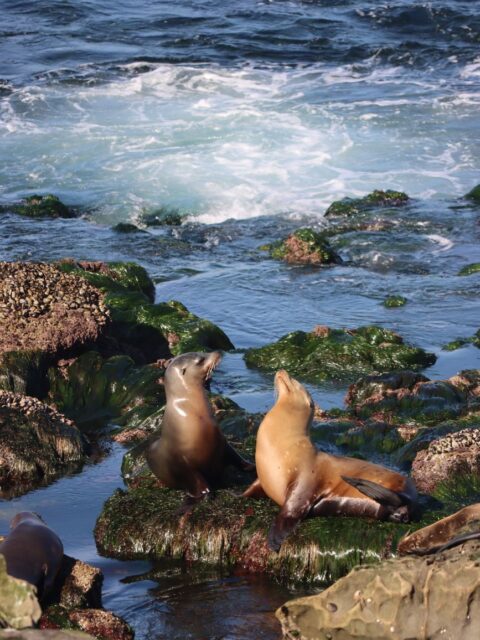
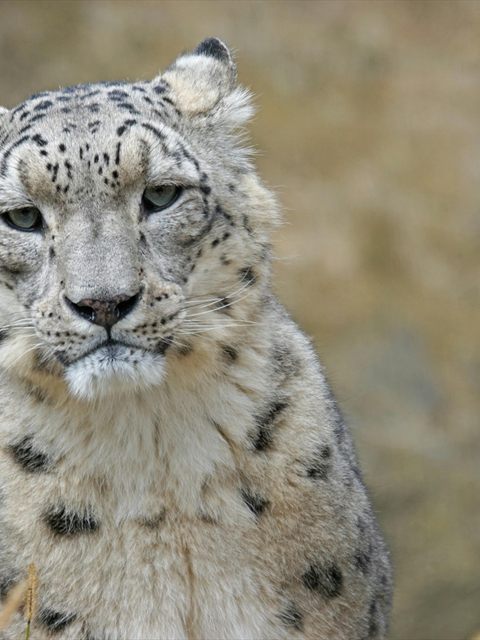
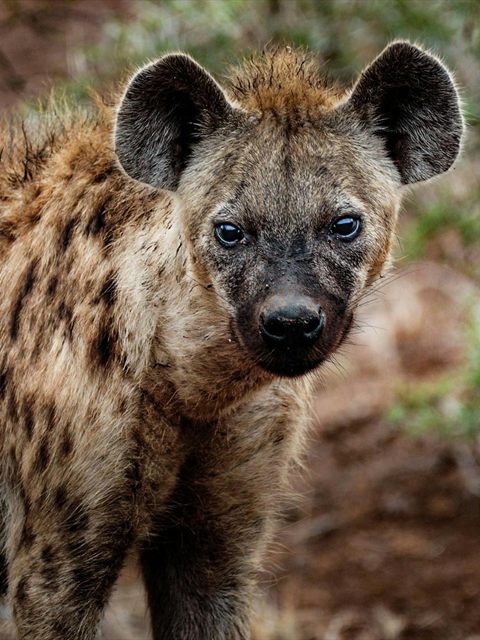
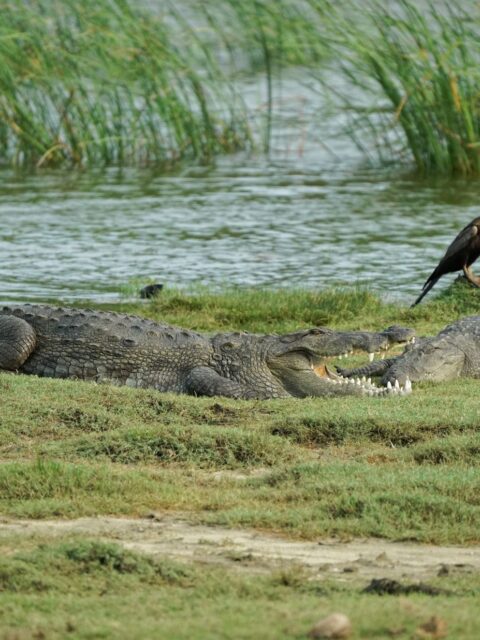
- Lions, leopards, hyenas, crocodiles
- Defense Mechanisms
- Kobs rely on their speed and agility to escape predators, often fleeing into water where they can swim to safety.
- Compatible Animals
- Zebras, wildebeests, various bird species
- Found in Zoos
- Uncommon