


KOI CARP
Cyprinus rubrofuscus
DESCRIPTION
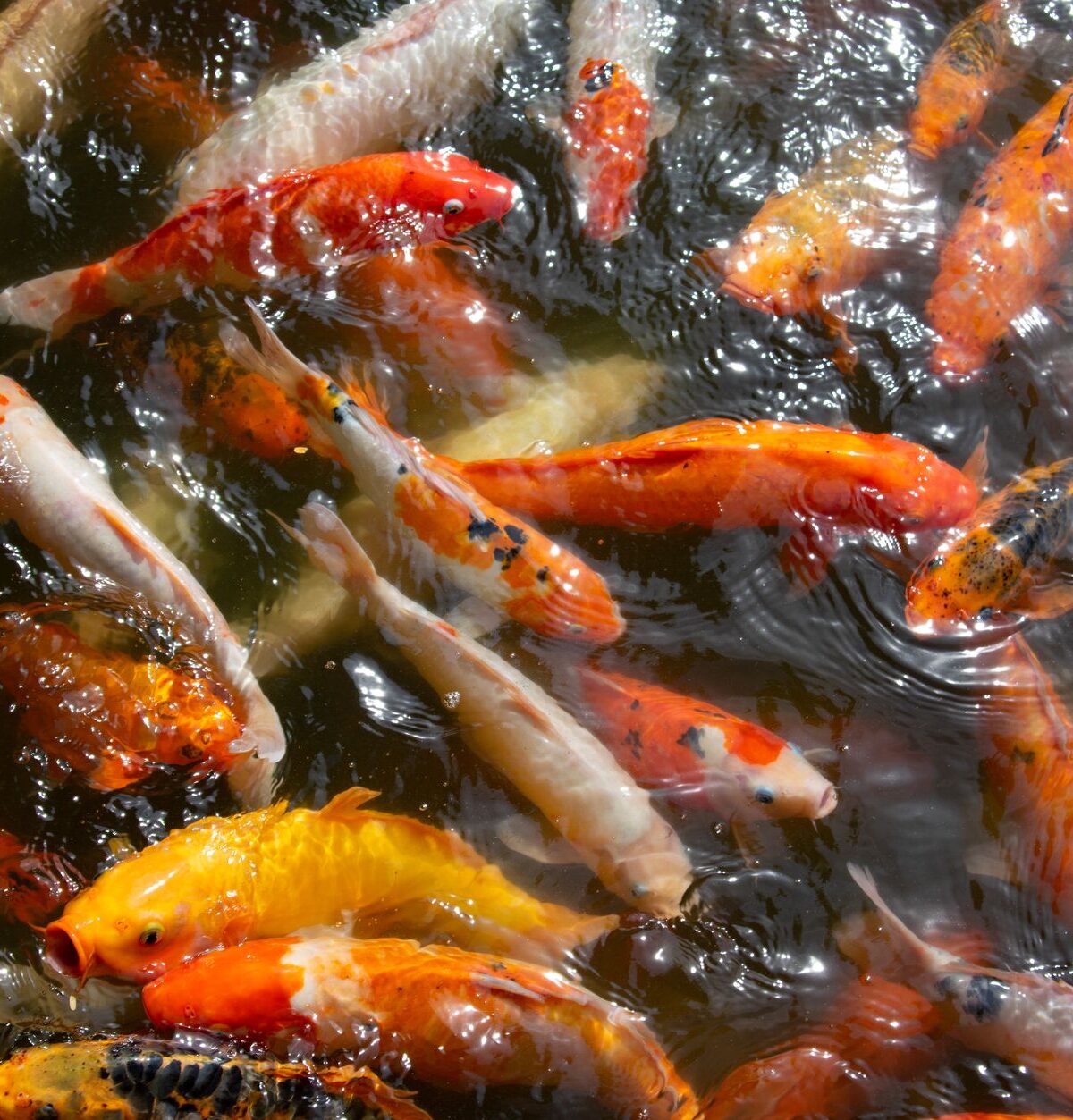
Koi Carp (Cyprinus rubrofuscus) is commonly known as Nishikigoi and Koi. These ornamental fish are characterized by their vibrant colors and patterns, which can include shades of orange, white, black, yellow, and blue. Koi are social creatures that thrive in groups and are often kept in outdoor ponds, where they exhibit a calm demeanor and can become quite friendly with their caretakers.
FUN FACTS
- Koi Carp are often associated with Japanese culture and symbolize perseverance and strength due to their ability to swim upstream against strong currents
- They are also known for their impressive size, with some individuals reaching lengths of over three feet and living for decades, making them a beloved pet for many aquarists.|In Japan, Koi are celebrated during the annual Koi Festival, where enthusiasts gather to showcase their prized fish
- The festival includes competitions for the best Koi, and the winners can fetch high prices, sometimes reaching thousands of dollars
QUICK INFO
Lifespan15-20 years in wild, up to 200 years in captivity
Average Weight10-30 kg
Average Length0.6-1.2 m
Diet TypeOmnivore
Social Structuregroup — Koi are social fish that prefer to live in groups, which helps them feel secure.
Activity PatternDiurnal
Breeding SeasonSpring (April-June)
- Habitat
- Koi Carp are typically found in freshwater environments such as ponds, lakes, and rivers. They prefer areas with plenty of vegetation and shelter to hide from predators.
- Biomes
- Freshwater, Temperate Forest
- Native Range
- Originally native to East Asia, particularly China, Koi Carp have been introduced to various parts of the world for ornamental purposes.
- Continent
- Asia
- Countries
- China, Japan, Korea
- Diet
- Koi Carp are omnivorous and consume a variety of foods, including aquatic plants, insects, and small crustaceans. They are often fed commercial koi pellets that provide balanced nutrition.
- Diet Type
- Omnivore
- Favorite Food
- commercial koi pellets, aquatic plants
- Social Structure
- group — Koi are social fish that prefer to live in groups, which helps them feel secure.
- Activity Pattern
- Diurnal
- Group Size
- 5-30
- Territorial
- 0

 LC
LC
10-30 kg
Weight
0.6-1.2 m
Length
- Coloration
- vibrant colors including orange, white, black, yellow, and blue
- Sexual Dimorphism
- males are generally smaller and have more slender bodies than females
- Lifespan
- 15-20 years in wild, up to 200 years in captivity
- Offspring per Birth
- 100-1000
- Sexual Maturity
- 2-3 years
- Breeding Season
- Spring (April-June)
LC
Least Concern
IUCN Red List Status
- Population Status
- Koi Carp are widely bred and kept, leading to a stable population in captivity.
- Population Trend
- Stable
- Endangered
- 0
- Threats
- While Koi Carp are not endangered, they can be affected by water pollution and habitat destruction. In some regions, they may also compete with native fish species.
- Predators
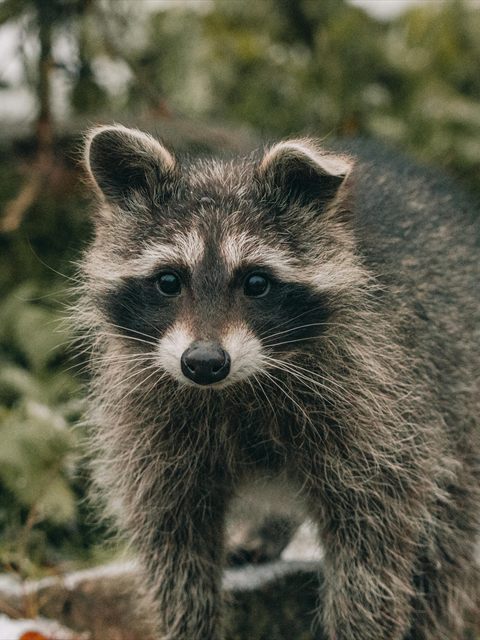
- herons, raccoons, otters, larger fish
- Defense Mechanisms
- Koi Carp rely on their ability to hide among plants and their quick swimming to evade predators.
- Compatible Animals
- goldfish, other ornamental fish
- Found in Zoos
- Common