



KORDOFAN GIRAFFE
Giraffa camelopardalis antiquorum
DESCRIPTION
The Kordofan giraffe is a subspecies of the giraffe found in Central Africa. It is characterized by its irregular patches and a more robust body compared to other giraffe subspecies.
FUN FACTS
- Kordofan giraffes can run at speeds of up to 37 miles per hour | They have a unique pattern of spots, much like human fingerprints | Their long necks allow them to reach high foliage that other herbivores cannot
QUICK INFO
Lifespan20-25 years in the wild, up to 30 in captivity
Average Weight800-1,200 kg
Average Length4.3-5.7 m
Diet TypeHerbivore
Social StructureThey typically form groups of females and their young, while males may be more solitary or form bachelor groups.
Activity PatternDiurnal
Breeding SeasonYear-round
- Habitat
- They inhabit savannas, woodlands, and open forests. These environments provide ample food sources and cover for protection.
- Biomes
- Savanna, Woodland
- Native Range
- The Kordofan giraffe is native to parts of Central Africa, particularly in countries like Cameroon, Central African Republic, and Chad.
- Continent
- Africa
- Countries
- Cameroon, Central African Republic, Chad
- Diet
- Kordofan giraffes are herbivores that primarily feed on leaves, fruits, and flowers from trees and shrubs. They have a preference for acacia and other browse species.
- Diet Type
- Herbivore
- Favorite Food
- Acacia leaves
- Social Structure
- They typically form groups of females and their young, while males may be more solitary or form bachelor groups.
- Activity Pattern
- Diurnal
- Group Size
- 5-15
- Territorial
- 0
 LC
LC
 LC
LC
 VU
VU
800-1,200 kg
Weight
4.3-5.7 m
Length
4.5-5.5 m at shoulder
Height (Shoulder)
- Coloration
- They have a light brown coat with irregular, darker patches.
- Sexual Dimorphism
- Males are generally larger and have thicker necks than females.
- Lifespan
- 20-25 years in the wild, up to 30 in captivity
- Gestation Period
- 450 days
- Offspring per Birth
- 1
- Sexual Maturity
- 3-4 years
- Breeding Season
- Year-round
EN
Endangered
IUCN Red List Status
- Population Status
- The population is currently declining due to habitat loss and poaching.
- Wild Population Estimate
- 2,000-3,000
- Population Trend
- Decreasing
- Endangered
- 1
- Threats
- Main threats include habitat destruction due to agriculture and poaching for their skin and meat.
- Predators
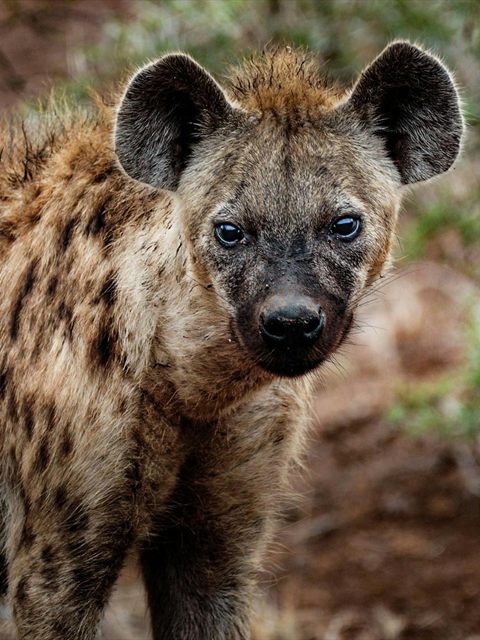
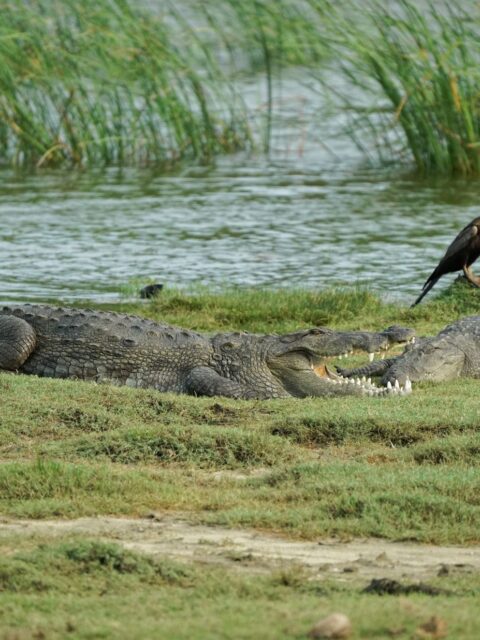
- Lions, hyenas, and crocodiles
- Defense Mechanisms
- They rely on their height and speed to escape predators, and they can deliver powerful kicks if threatened.
- Found in Zoos
- Uncommon