


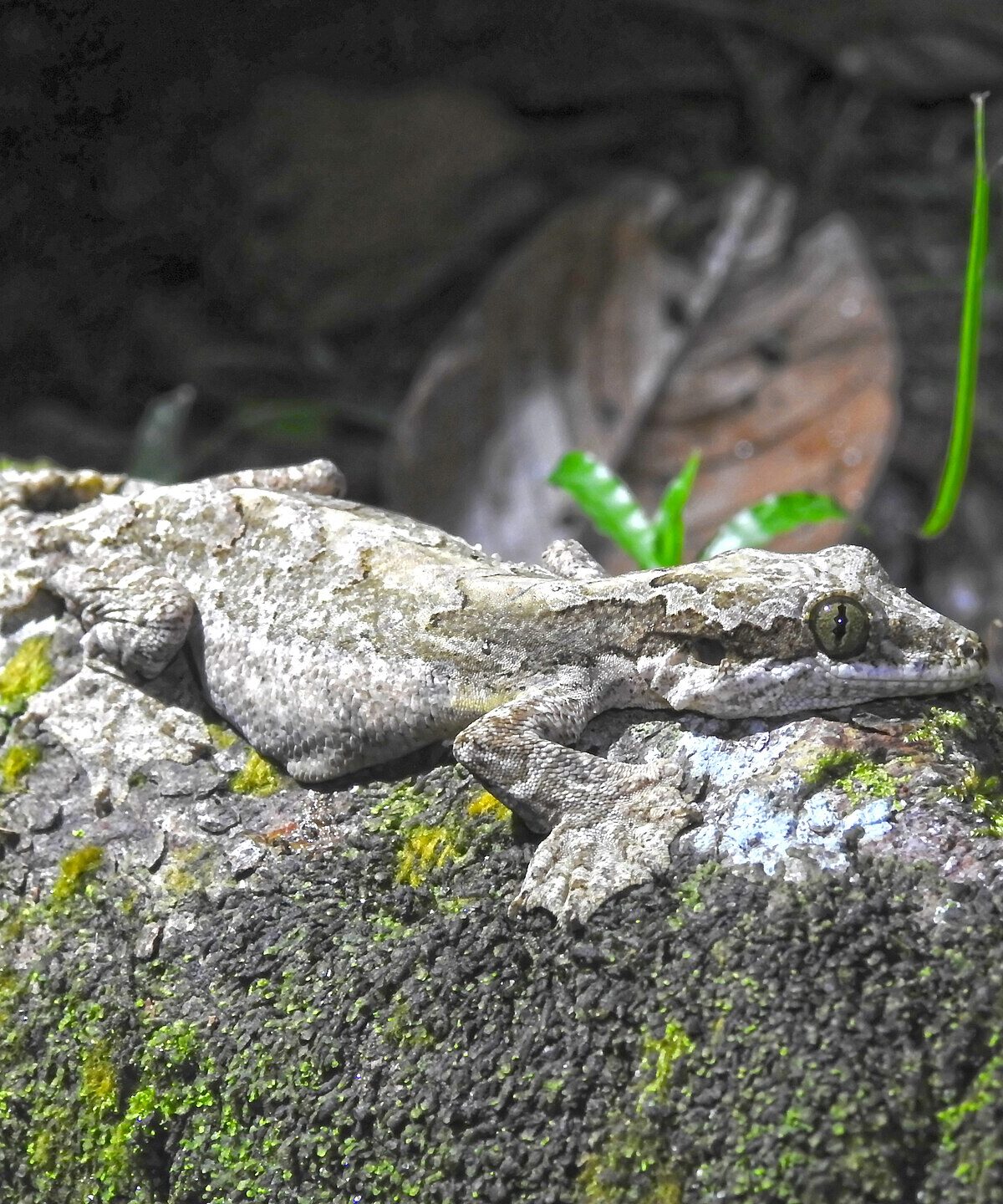
KUHL'S FLYING GECKO
Ptychozoon kuhli
DESCRIPTION
Kuhl's Flying Gecko (Ptychozoon kuhli) is also known as the Flying Gecko, recognized for its remarkable ability to glide through the forest canopy. This species exhibits a flattened body and large, webbed toes that aid in its gliding capabilities, allowing it to move between trees with ease. Typically found in tropical forests, Kuhl's Flying Gecko is nocturnal, often seen resting on tree trunks during the day and becoming active at night to hunt for food.
FUN FACTS
- Kuhl's Flying Gecko has a unique ability to glide, which is facilitated by its large flaps of skin that extend from its limbs and body
- This adaptation allows it to cover distances of up to 10 meters in a single glide, making it an impressive aerial navigator in its forest habitat
- | Unlike many other gecko species, Kuhl's Flying Gecko does not have adhesive toe pads, which are common in other geckos
- Instead, it relies on its gliding ability and camouflage to evade predators and hunt for food
QUICK INFO
Lifespan5-10 years in the wild
Average Length15-20 cm
Diet TypeInsectivore
Social Structuresolitary, typically found alone except during mating
Activity PatternNocturnal
Breeding SeasonYear-round in suitable climates
- Habitat
- This species inhabits tropical and subtropical forests, often residing in the canopy where it can easily glide between trees. It prefers areas with abundant vegetation for both shelter and hunting.
- Biomes
- Tropical Rainforest
- Native Range
- Kuhl's Flying Gecko is native to Southeast Asia, particularly found in countries like Indonesia, Malaysia, and the Philippines.
- Continent
- Asia
- Countries
- Indonesia, Malaysia, Philippines
- Diet
- Kuhl's Flying Gecko primarily feeds on insects, which it catches using its quick reflexes and sticky tongue. It may also consume small invertebrates.
- Diet Type
- Insectivore
- Favorite Food
- insects
- Social Structure
- solitary, typically found alone except during mating
- Activity Pattern
- Nocturnal
- Group Size
- 1
- Territorial
- 0
 VU
VU
 LC
LC
15-20 cm
Length
- Coloration
- The coloration of Kuhl's Flying Gecko is typically a mix of green and brown, providing excellent camouflage against the bark of trees.
- Lifespan
- 5-10 years in the wild
- Offspring per Birth
- 2-4 eggs
- Sexual Maturity
- 6-12 months
- Breeding Season
- Year-round in suitable climates
LC
Least Concern
IUCN Red List Status
- Population Status
- The population of Kuhl's Flying Gecko is currently stable, but habitat loss poses a potential threat.
- Wild Population Estimate
- unknown
- Population Trend
- Stable
- Endangered
- 0
- Threats
- The main threats to Kuhl's Flying Gecko include habitat destruction due to deforestation and urbanization. These activities reduce their natural habitat and food sources.
- Predators
- Birds of prey, snakes, and larger reptiles are known predators of Kuhl's Flying Gecko.
- Defense Mechanisms
- Kuhl's Flying Gecko can flatten its body and blend into its surroundings to avoid detection by predators.
- Found in Zoos
- Uncommon