


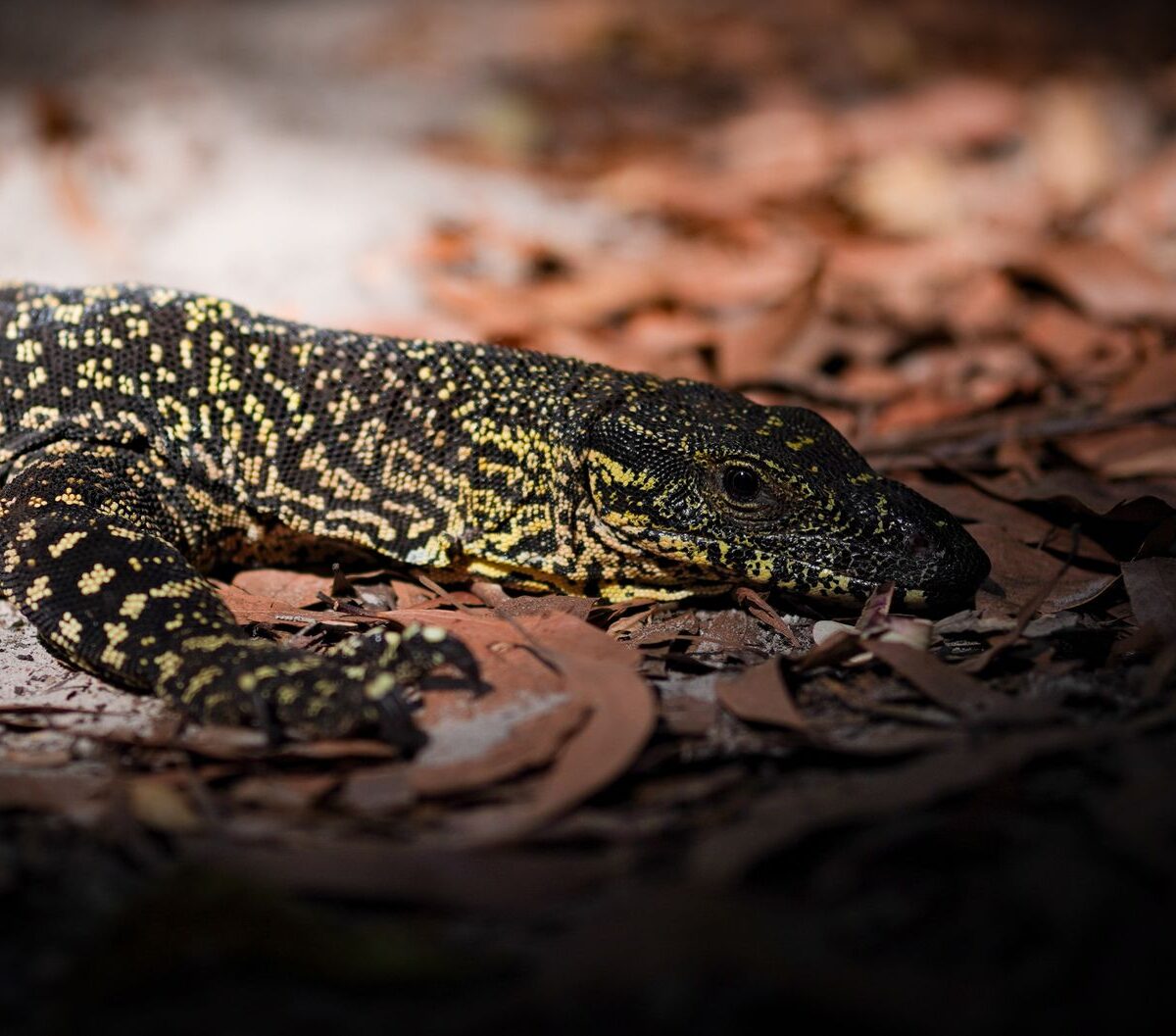
LACE MONITOR
Varanus varius
DESCRIPTION
Lace Monitor (Varanus varius) is commonly known as the Goanna or Lace Goanna, a large and striking lizard native to Australia. It features a long, slender body with a distinctive pattern of dark and light bands, which provides excellent camouflage in its natural habitat. This species is known for its arboreal behavior, often climbing trees in search of food and shelter, and is also a skilled swimmer, making it versatile in various environments.
FUN FACTS
- Lace Monitors are known for their impressive climbing abilities, often seen scaling trees in search of food or sunbathing
- They have a keen sense of smell, which they use to locate prey from a distance.|These lizards are also capable of swimming and can often be found near water sources, where they hunt for fish and other aquatic prey
- Their unique coloration not only helps them blend into their environment but also plays a role in thermoregulation
QUICK INFO
Lifespan15-20 years in the wild, up to 30 in captivity
Average Weight4-10 kg
Average Length1.5-2.5 m
Diet TypeCarnivore
Social Structuresolitary, occasionally seen in pairs during mating season
Activity PatternDiurnal
Breeding SeasonSpring (September-November)
- Habitat
- Lace Monitors inhabit a variety of environments, including forests, woodlands, and coastal regions. They prefer areas with plenty of trees for climbing and basking.
- Biomes
- Temperate Forest, Tropical Rainforest, Savanna
- Native Range
- Lace Monitors are found throughout eastern and northern Australia, including Tasmania.
- Continent
- Australia
- Countries
- Australia, Tasmania
- Diet
- Lace Monitors are carnivorous and primarily feed on small mammals, birds, and reptiles. They are also known to scavenge on carrion when the opportunity arises.
- Diet Type
- Carnivore
- Favorite Food
- small mammals, birds, reptiles
- Social Structure
- solitary, occasionally seen in pairs during mating season
- Activity Pattern
- Diurnal
- Group Size
- 1-2
- Territorial
- 1
 LC
LC
 VU
VU
 LC
LC
4-10 kg
Weight
1.5-2.5 m
Length
- Coloration
- dark brown to black with lighter yellow or cream bands
- Sexual Dimorphism
- males are generally larger than females
- Lifespan
- 15-20 years in the wild, up to 30 in captivity
- Offspring per Birth
- 6-12
- Sexual Maturity
- 3-4 years
- Breeding Season
- Spring (September-November)
LC
Least Concern
IUCN Red List Status
- Population Status
- The population of Lace Monitors is currently stable, with no significant declines reported.
- Wild Population Estimate
- Unknown
- Population Trend
- Stable
- Endangered
- 0
- Threats
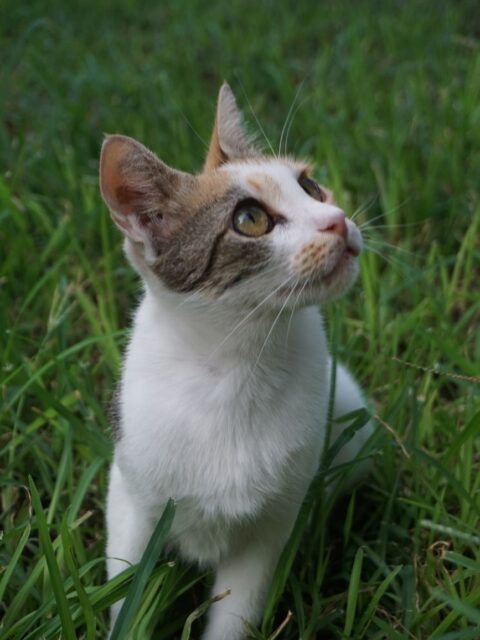
- Main threats include habitat destruction and road mortality. They are also vulnerable to predation by introduced species such as dogs and cats.
- Predators
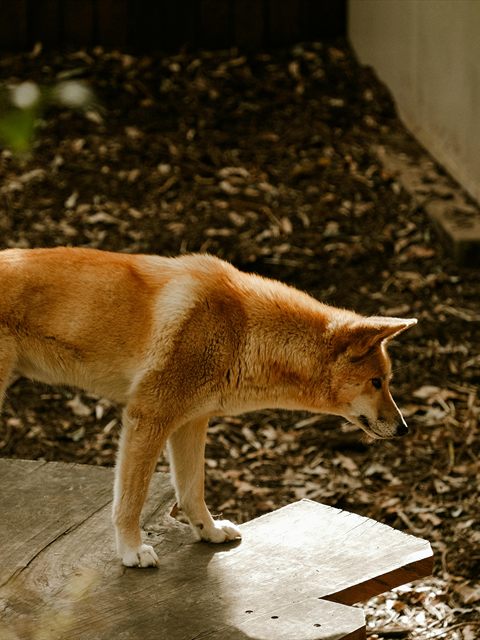
- dingoes, large birds of prey, domestic cats
- Defense Mechanisms
- Lace Monitors can use their speed and agility to escape threats, and they may also hiss or display aggressive postures when threatened.
- Found in Zoos
- Common