


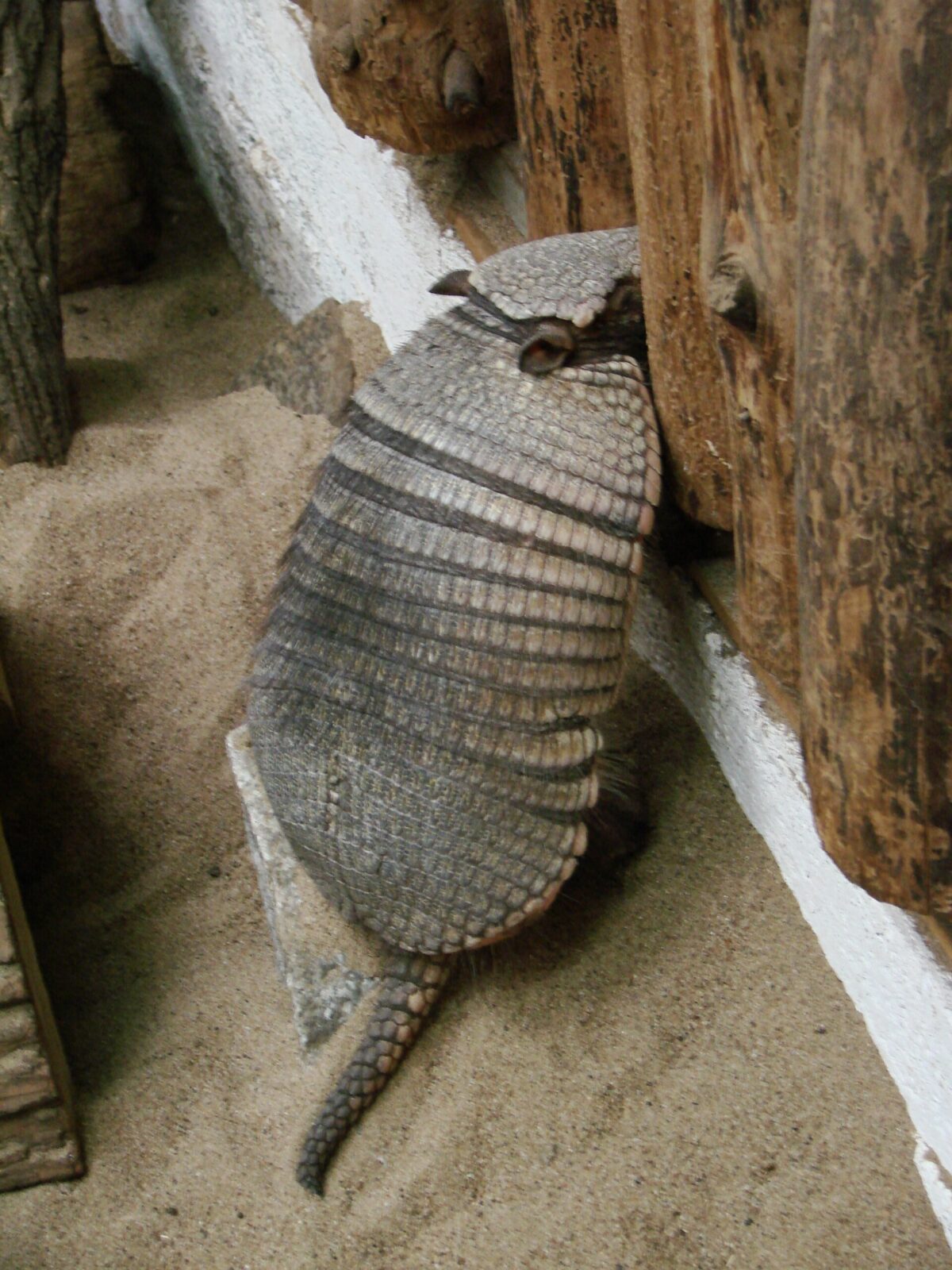
LARGE HAIRY ARMADILLO
DESCRIPTION
Large Hairy Armadillo is a unique species known for its distinctive long, coarse fur and large size compared to other armadillos. It has a robust body covered with a hard shell made of bony plates, which provides protection from predators. This species is primarily nocturnal, foraging for food at night and often digging in the ground for insects and other small invertebrates.
FUN FACTS
- Large Hairy Armadillos are excellent diggers, capable of burrowing quickly to escape predators or to find food
- Their unique fur helps them regulate body temperature, keeping them cool in hot environments.| Unlike many other armadillo species, the Large Hairy Armadillo has a more pronounced social behavior during the breeding season, where males may compete for the attention of females through displays of strength and agility
QUICK INFO
Lifespan10-15 years in the wild, up to 20 in captivity
Average Weight3-5 kg
Average Length50-70 cm
Diet TypeInsectivore
Social Structuresolitary
Activity PatternNocturnal
Breeding SeasonSpring (September-November)
- Habitat
- Large Hairy Armadillos inhabit dry, open areas such as grasslands and scrublands. They prefer regions with loose, sandy soil that allows for easy digging.
- Biomes
- Grassland, Savanna
- Native Range
- This species is native to parts of South America, particularly found in Argentina and Paraguay.
- Continent
- South America
- Countries
- Argentina, Paraguay
- Diet
- It primarily feeds on insects, particularly ants and termites, but may also consume other small invertebrates. Its foraging behavior involves digging and turning over soil to find food.
- Diet Type
- Insectivore
- Favorite Food
- ants, termites
- Social Structure
- solitary
- Activity Pattern
- Nocturnal
- Group Size
- 1
- Territorial
- 0

 VU
LC
VU
LC
3-5 kg
Weight
50-70 cm
Length
- Coloration
- The coloration is typically a mix of brown and gray, with a more pronounced fur on the back and sides.
- Sexual Dimorphism
- males are generally larger than females
- Lifespan
- 10-15 years in the wild, up to 20 in captivity
- Gestation Period
- 60-75 days
- Offspring per Birth
- 1-4
- Sexual Maturity
- 1-2 years
- Breeding Season
- Spring (September-November)
LC
Least Concern
IUCN Red List Status
- Population Status
- The population is currently stable, but habitat loss poses a potential threat.
- Wild Population Estimate
- unknown
- Population Trend
- Stable
- Endangered
- 0
- Threats
- Main threats include habitat destruction due to agriculture and urban development. Additionally, they face risks from predation and hunting in some areas.
- Predators
- foxes, large birds of prey, domestic dogs
- Defense Mechanisms
- When threatened, Large Hairy Armadillos can curl into a ball, using their hard shell for protection.
- Found in Zoos
- Uncommon