


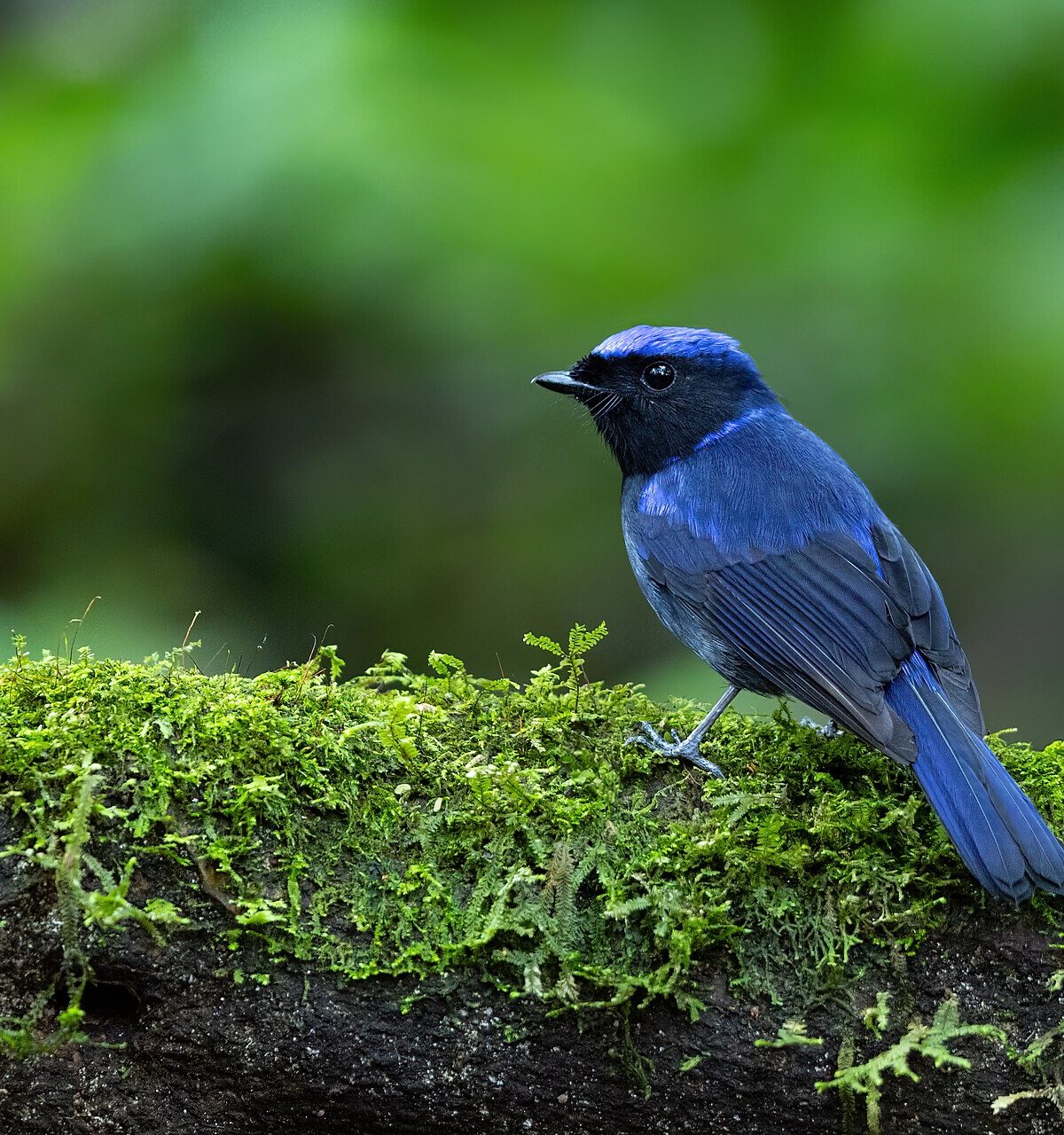
LARGE NILTAVA
Niltava grandis
DESCRIPTION
Large niltava (Niltava grandis) is a strikingly beautiful bird known for its vibrant blue plumage and contrasting orange underparts. This species is typically found in forested areas, where it can often be seen flitting about in search of insects and other small invertebrates. Its melodious song and active behavior make it a favorite among birdwatchers in its native range.
FUN FACTS
- The large niltava is known for its beautiful song, which can be heard during the breeding season as males establish their territories
- Additionally, this species is often seen performing acrobatic flights as it chases after insects, showcasing its agility and grace in the air
QUICK INFO
Lifespanup to 10 years in the wild
Average Weight20-30 g
Average Length18-20 cm
Diet TypeInsectivore
Social Structuresolitary or in pairs, often seen alone or with a mate during the breeding season
Activity PatternDiurnal
Breeding SeasonSpring (March-May)
- Habitat
- This species inhabits subtropical or tropical moist montane forests, often favoring areas with dense undergrowth. It is typically found at elevations ranging from 1,200 to 2,500 meters.
- Biomes
- Montane Forest
- Native Range
- The large niltava is native to the eastern Himalayas and parts of Southeast Asia, including regions of India, Nepal, Bhutan, Myanmar, and southern China.
- Continent
- Asia
- Countries
- India, Nepal, Bhutan, Myanmar, China
- Diet
- Large niltava primarily feeds on insects and other small invertebrates, foraging actively in the underbrush and among branches.
- Diet Type
- Insectivore
- Favorite Food
- insects, small invertebrates
- Social Structure
- solitary or in pairs, often seen alone or with a mate during the breeding season
- Activity Pattern
- Diurnal
- Group Size
- 1-2
- Territorial
- 1
 LC
LC
20-30 g
Weight
18-20 cm
Length
- Coloration
- vibrant blue upperparts with orange underparts
- Sexual Dimorphism
- males are generally brighter in coloration than females
- Lifespan
- up to 10 years in the wild
- Offspring per Birth
- 2-4
- Sexual Maturity
- 1 year
- Breeding Season
- Spring (March-May)
LC
Least Concern
IUCN Red List Status
- Population Status
- The population of large niltava is currently stable, but habitat loss poses a potential threat.
- Wild Population Estimate
- unknown
- Population Trend
- Stable
- Endangered
- 0
- Threats
- Habitat destruction due to deforestation and land conversion for agriculture are the main threats to this species. Additionally, climate change may impact its montane forest habitat.
- Predators
- snakes, larger birds of prey
- Defense Mechanisms
- Large niltava relies on its agility and ability to hide among foliage to evade predators.
- Found in Zoos
- Uncommon