


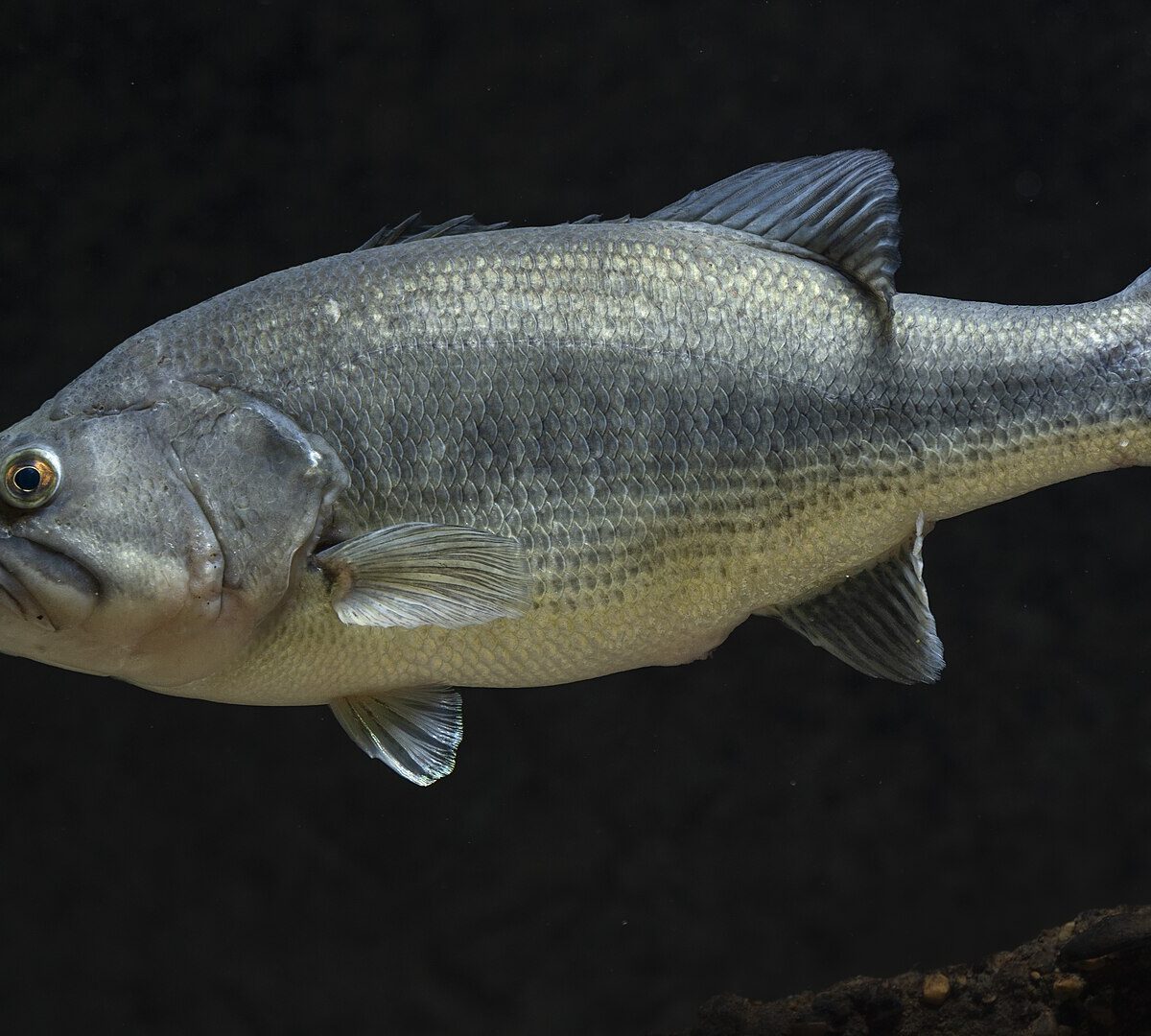
LARGEMOUTH BASS
DESCRIPTION
Also called Black Bass and Green Bass, Largemouth Bass is a popular freshwater fish known for its distinctive large mouth that extends past its eyes. This species exhibits a greenish coloration with a lighter belly and dark horizontal stripes along its sides, making it easily recognizable. Largemouth Bass are known for their aggressive behavior and are often sought after by anglers for sport fishing, thriving in a variety of aquatic environments.
FUN FACTS
- Largemouth Bass are one of the most popular game fish in North America, attracting millions of anglers each year
- They are known for their acrobatic jumps and strong fights when hooked, making them a favorite among sport fishermen
- | The species has been introduced to various regions outside its native range, including parts of South America and Asia, where it has established populations and become a sought-after species for recreational fishing
QUICK INFO
Lifespan10-16 years in the wild, up to 20 years in captivi
Average Weight1-5 kg
Average Length30-76 cm
Diet TypePiscivore
Social Structuresolitary, typically found alone or in small groups during breeding.
Activity PatternDiurnal
Breeding SeasonSpring (April-June)
- Habitat
- Largemouth Bass inhabit freshwater lakes, ponds, rivers, and reservoirs, often preferring areas with abundant vegetation and structure. They are adaptable and can thrive in both clear and murky waters.
- Biomes
- Freshwater, Temperate Forest
- Native Range
- Native to North America, primarily found in the eastern and central United States.
- Continent
- North America
- Countries
- United States, Canada, Mexico
- Diet
- Largemouth Bass primarily feed on smaller fish, crustaceans, and various aquatic invertebrates. They are opportunistic predators, often ambushing their prey from cover.
- Diet Type
- Piscivore
- Favorite Food
- smaller fish, crustaceans
- Social Structure
- solitary, typically found alone or in small groups during breeding.
- Activity Pattern
- Diurnal
- Group Size
- 1-5
- Territorial
- 1
 VU
VU

1-5 kg
Weight
30-76 cm
Length
- Coloration
- greenish with a lighter belly and dark horizontal stripes
- Sexual Dimorphism
- males are generally smaller and more colorful than females
- Lifespan
- 10-16 years in the wild, up to 20 years in captivi
- Offspring per Birth
- 1000-5000
- Sexual Maturity
- 2-4 years
- Breeding Season
- Spring (April-June)
LC
Least Concern
IUCN Red List Status
- Population Status
- Largemouth Bass populations are generally stable, with healthy numbers in many areas due to conservation efforts and popularity in sport fishing.
- Wild Population Estimate
- unknown
- Population Trend
- Stable
- Endangered
- 0
- Threats
- Main threats include habitat loss due to urban development, pollution, and overfishing. Invasive species can also impact their populations by competing for resources.
- Predators
- larger fish species, birds of prey, and mammals such as raccoons and otters
- Defense Mechanisms
- Largemouth Bass rely on camouflage and quick bursts of speed to evade predators.
- Found in Zoos
- Uncommon