


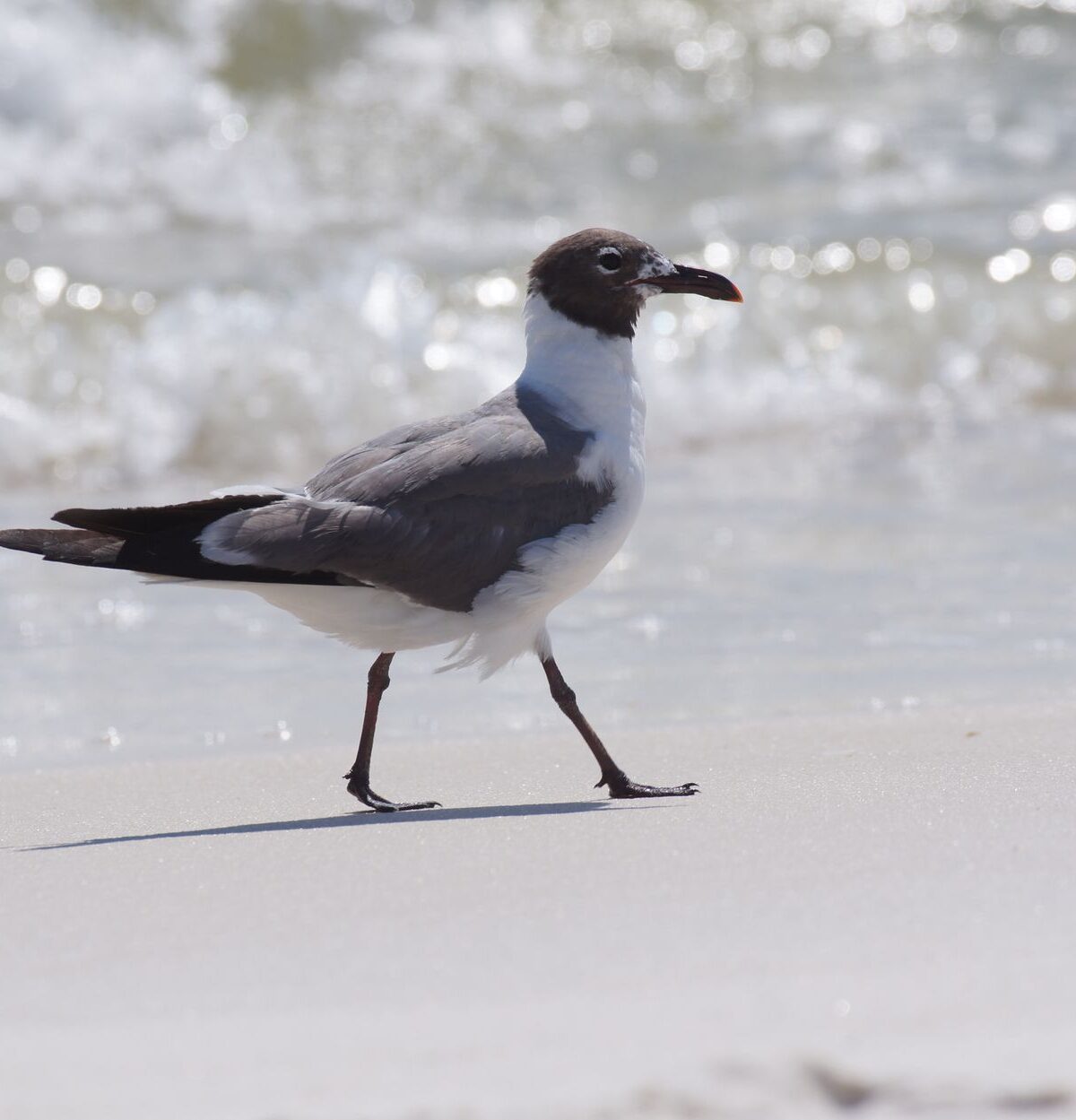
LAUGHING GULL
Leucophaeus atricilla
DESCRIPTION
Laughing Gull (Leucophaeus atricilla) is a medium-sized gull known for its distinctive laughing call, which is often heard in coastal areas. It has a striking black head during the breeding season, contrasting with its white body and gray wings. This species is highly social, often seen in large flocks, and is known for its agile flight and playful behavior, frequently engaging in aerial displays and foraging activities.
FUN FACTS
- Laughing Gulls are known for their unique vocalizations, which sound like laughter, hence their name
- These calls are not only used for communication but also play a role in attracting mates during the breeding season
- | During the non-breeding season, Laughing Gulls migrate to warmer coastal areas, where they can be seen foraging along beaches and piers
- Their adaptability to urban environments has allowed them to thrive in areas with human activity
QUICK INFO
Lifespan10-15 years in the wild
Average Weight250-400 g
Average Length38-43 cm
Diet TypeOmnivore
Social Structuregroup — they are often seen in large flocks, especially during feeding and breeding.
Activity PatternDiurnal
Breeding SeasonSpring to early summer (April-July)
- Habitat
- Laughing Gulls inhabit coastal regions, including beaches, marshes, and estuaries. They are often found near water bodies where they can easily access food.
- Biomes
- Coastal, Wetlands
- Native Range
- The Laughing Gull is native to the eastern coast of North America, ranging from southern Canada to northern South America.
- Continent
- North America, South America
- Countries
- United States, Mexico, Brazil, Colombia
- Diet
- Laughing Gulls primarily feed on small fish, invertebrates, and discarded human food. They are opportunistic feeders and often scavenge in urban areas.
- Diet Type
- Omnivore
- Favorite Food
- small fish, invertebrates
- Social Structure
- group — they are often seen in large flocks, especially during feeding and breeding.
- Activity Pattern
- Diurnal
- Group Size
- 20-1000
- Territorial
- 0
 LC
LC
 LC
LC
250-400 g
Weight
38-43 cm
Length
- Coloration
- white body with gray wings and a black head during breeding season
- Sexual Dimorphism
- males and females are similar in appearance
- Lifespan
- 10-15 years in the wild
- Offspring per Birth
- 2-4
- Sexual Maturity
- 2-3 years
- Breeding Season
- Spring to early summer (April-July)
LC
Least Concern
IUCN Red List Status
- Population Status
- The population of Laughing Gulls is currently stable, with large breeding colonies observed.
- Wild Population Estimate
- 1,000,000-2,000,000
- Population Trend
- Stable
- Endangered
- 0
- Threats
- Main threats include habitat loss due to coastal development and pollution. Additionally, they face risks from climate change and human disturbance.
- Predators
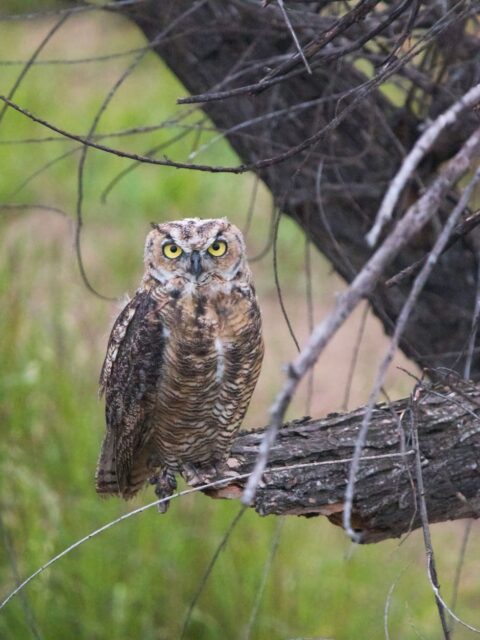
- Great Horned Owl, Red-tailed Hawk, various mammals such as raccoons and foxes, and larger gull species.
- Defense Mechanisms
- They often use loud calls and aggressive posturing to defend their nests and young.
- Found in Zoos
- Rare