


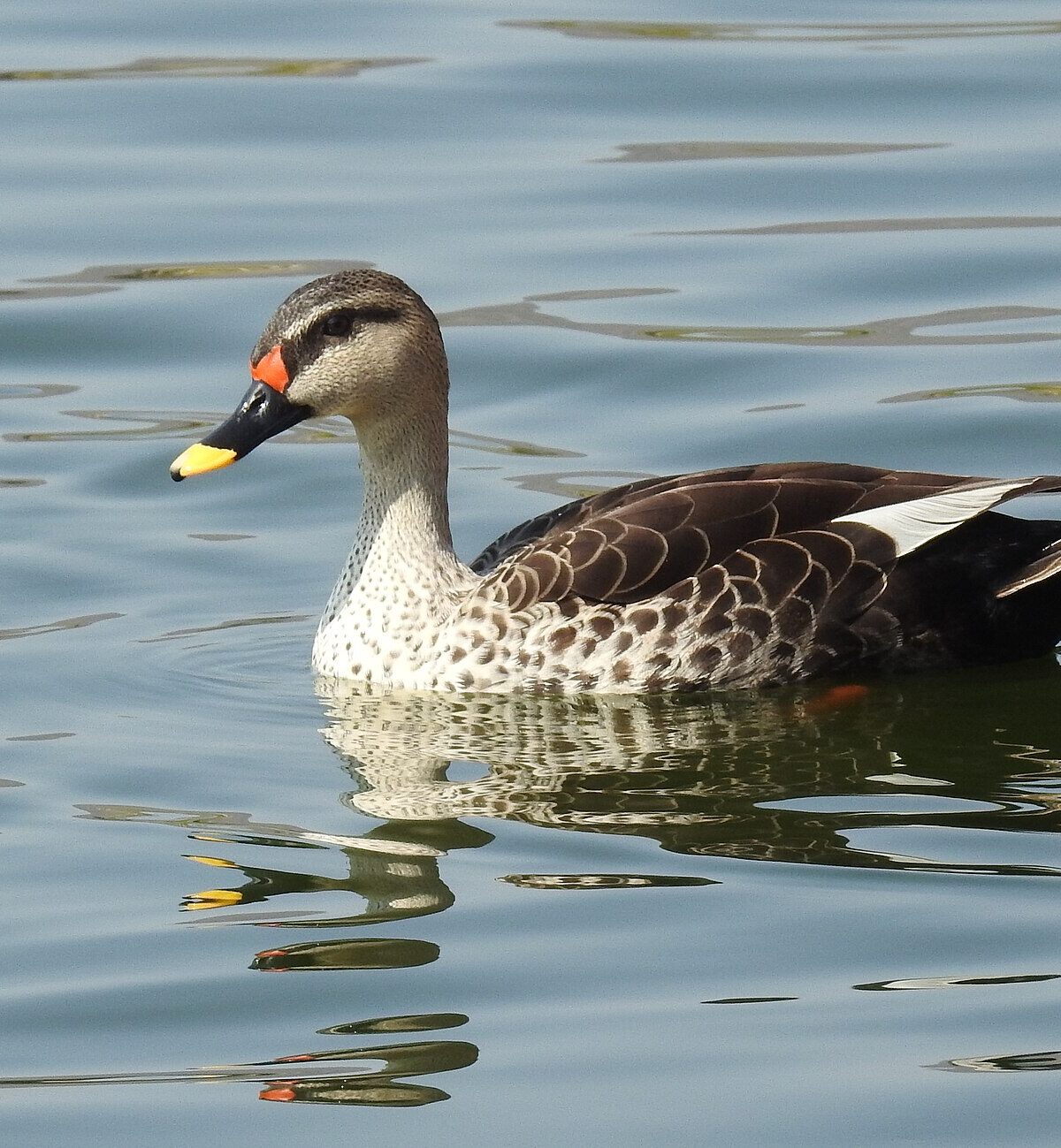
LEMON-BILLED DUCK
Anas poecilorhyncha
DESCRIPTION
Lemon-billed Duck (Anas poecilorhyncha) is a distinctive species known for its bright yellow bill and striking plumage. This duck typically exhibits a combination of brown and gray feathers, which provide excellent camouflage in its natural habitat. It is often found in freshwater wetlands, where it forages for food and engages in social behaviors with other ducks.
FUN FACTS
- The Lemon-billed Duck is known for its unique vocalizations, which can vary significantly between individuals, making them quite distinct in their social interactions
- Additionally, these ducks play a crucial role in their ecosystem by helping to maintain the health of wetland habitats through their foraging activities.| Despite their relatively stable population, the Lemon-billed Duck is often overlooked in conservation efforts, highlighting the importance of habitat preservation for lesser-known species
QUICK INFO
Lifespan5-10 years in the wild
Average Weight1-1.5 kg
Average Length50-60 cm
Diet TypeOmnivore
Social StructureThey are often found in pairs or small groups, especially during the breeding season.
Activity PatternDiurnal
Breeding SeasonSpring (March-May)
- Habitat
- This species inhabits freshwater wetlands, marshes, and shallow lakes. It prefers areas with abundant vegetation for nesting and foraging.
- Biomes
- Wetlands, Freshwater
- Native Range
- The Lemon-billed Duck is native to parts of Southeast Asia, particularly in regions with suitable wetland habitats.
- Continent
- Asia
- Countries
- India, Bangladesh, Myanmar, Thailand, Vietnam
- Diet
- The Lemon-billed Duck primarily feeds on aquatic plants, seeds, and small invertebrates. It forages by dabbling on the water's surface and grazing on vegetation.
- Diet Type
- Omnivore
- Favorite Food
- aquatic plants, seeds, small invertebrates
- Social Structure
- They are often found in pairs or small groups, especially during the breeding season.
- Activity Pattern
- Diurnal
- Group Size
- 2-10
- Territorial
- 0

 VU
VU
 LC
LC
1-1.5 kg
Weight
50-60 cm
Length
- Coloration
- The Lemon-billed Duck has a mix of brown and gray feathers with a distinctive yellow bill.
- Sexual Dimorphism
- Males and females are similar in appearance, but males may have slightly brighter coloration.
- Lifespan
- 5-10 years in the wild
- Offspring per Birth
- 6-12
- Sexual Maturity
- 1-2 years
- Breeding Season
- Spring (March-May)
LC
Least Concern
IUCN Red List Status
- Population Status
- The population status of the Lemon-billed Duck is currently stable, but habitat loss poses a potential threat.
- Wild Population Estimate
- unknown
- Population Trend
- Stable
- Endangered
- 0
- Threats
- Main threats include habitat destruction due to agricultural expansion and pollution of wetland areas. Climate change also poses a risk to their wetland habitats.
- Predators
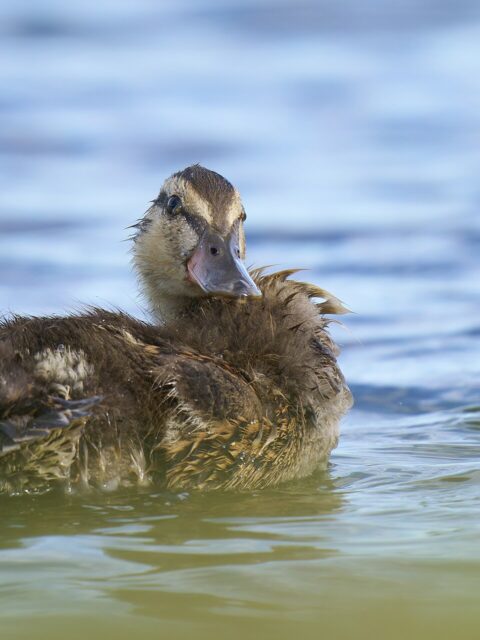
- Foxes, birds of prey, and larger aquatic predators may prey on the Lemon-billed Duck, especially on eggs and young ducklings.
- Defense Mechanisms
- They rely on camouflage and the ability to quickly escape into water to avoid predators.
- Found in Zoos
- Uncommon