


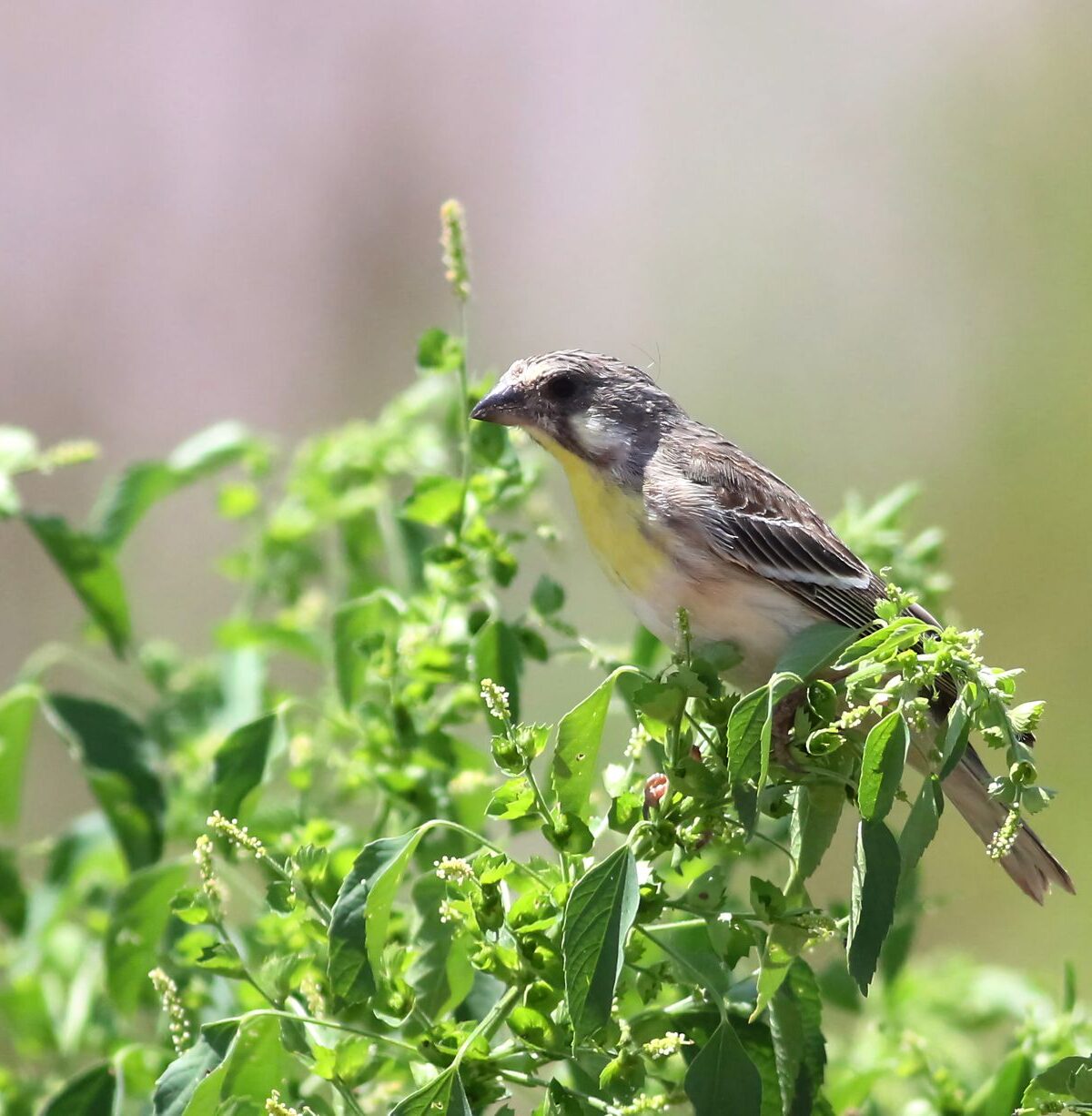
LEMON-BREASTED CANARY
Serinus citrinella
DESCRIPTION
Lemon-breasted Canary (Serinus citrinella), also known as the Citrine Canary, is a small, brightly colored bird characterized by its vibrant yellow plumage and distinctive lemon-colored breast. This species exhibits a lively and social behavior, often found in flocks, and is known for its melodious song, which is particularly prominent during the breeding season. In the wild, they inhabit grasslands and scrub areas, where they forage for seeds and insects, playing a vital role in their ecosystem.
FUN FACTS
- Lemon-breasted Canaries are known for their beautiful songs, which can vary significantly between individuals, making them popular among bird enthusiasts
- Additionally, these canaries are often kept as pets due to their vibrant colors and cheerful disposition, and they can be trained to mimic sounds and whistles.| In the wild, Lemon-breasted Canaries play an important role in seed dispersal, helping to maintain the health of their grassland habitats
- Their social nature also makes them fascinating to observe, as they engage in complex interactions and displays with one another
QUICK INFO
Lifespan5-10 years in the wild, up to 15 years in captivit
Average Weight15-20 g
Average Length12-14 cm
Diet TypeHerbivore
Social StructureThey are typically found in pairs or small groups, especially during the breeding season when they become more territorial.
Activity PatternDiurnal
Breeding SeasonSpring to early summer
- Habitat
- These canaries thrive in open grasslands and scrub habitats, often favoring areas with abundant vegetation for foraging and nesting. They are adaptable and can also be found in agricultural fields.
- Biomes
- Grassland, Savanna
- Native Range
- The Lemon-breasted Canary is native to parts of southern Africa, particularly in regions such as South Africa and Namibia.
- Continent
- Africa
- Countries
- South Africa, Namibia
- Diet
- Lemon-breasted Canaries primarily feed on seeds, but they also consume small insects and plant material. Their diet is essential for their energy needs and overall health.
- Diet Type
- Herbivore
- Favorite Food
- grass seeds
- Social Structure
- They are typically found in pairs or small groups, especially during the breeding season when they become more territorial.
- Activity Pattern
- Diurnal
- Group Size
- 5-15
- Territorial
- 1
 LC
LC
15-20 g
Weight
12-14 cm
Length
- Coloration
- Bright yellow with a lemon-colored breast and darker wings and back.
- Sexual Dimorphism
- Males are generally brighter and more colorful than females.
- Lifespan
- 5-10 years in the wild, up to 15 years in captivit
- Offspring per Birth
- 3-5
- Sexual Maturity
- 6-12 months
- Breeding Season
- Spring to early summer
LC
Least Concern
IUCN Red List Status
- Population Status
- The population of Lemon-breasted Canaries is currently stable, with no immediate threats to their numbers.
- Wild Population Estimate
- Not specifically estimated, but considered stable.
- Population Trend
- Stable
- Endangered
- 0
- Threats
- Habitat loss due to agricultural expansion and urbanization poses a threat to their populations. However, they are not currently facing significant risks.
- Predators
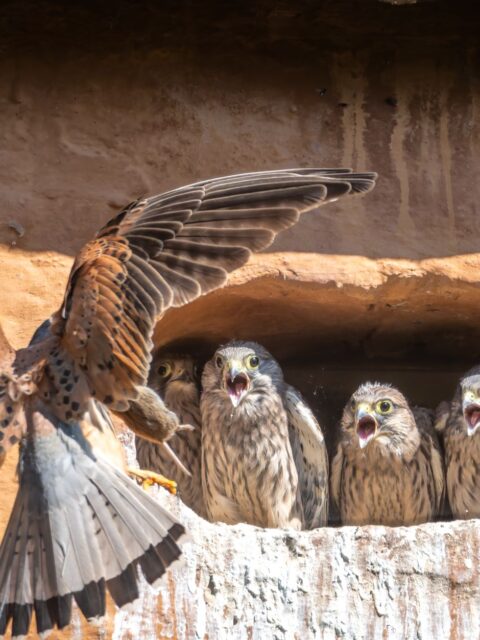
- Common predators include birds of prey, such as hawks and kestrels, as well as domestic cats.
- Defense Mechanisms
- They rely on their agility and ability to fly quickly to evade predators.
- Compatible Animals
- Other small finches, canaries, and similar-sized birds
- Found in Zoos
- Common