


LEOPARD TORTOISE
Stigmochelys pardalis
DESCRIPTION
The Leopard Tortoise is a large tortoise species characterized by its distinctive shell, which features a pattern of dark brown and yellow markings resembling leopard spots. They can grow to a considerable size, with some individuals reaching up to 18 inches in length. These tortoises are primarily herbivorous and are known for their slow movement and long lifespan, often living for several decades in the wild.
FUN FACTS
- Leopard Tortoises are one of the largest tortoise species in Africa, and they can live for over 100 years in captivity, making them a long-term commitment for pet owners
- They are also known for their unique ability to dig burrows, which helps them escape the heat of the day and find moisture in arid environments.|These tortoises have a fascinating reproductive strategy; females can store sperm for several years, allowing them to fertilize their eggs even when a male is not present
- This adaptation is particularly useful in their natural habitats, where finding a mate can be challenging
QUICK INFO
Lifespan50-100 years in the wild
Average Weight10-18 kg
Average Length30-45 cm
Diet TypeHerbivore
Social Structuresolitary, occasionally seen in pairs during mating season
Activity PatternDiurnal
Breeding SeasonSpring to early summer
- Habitat
- Leopard Tortoises inhabit dry savannas and grasslands, where they can find ample vegetation to graze on. They prefer areas with some cover, such as shrubs or trees, to provide shade and protection from predators.
- Biomes
- Savanna, Grassland
- Native Range
- Leopard Tortoises are native to the African continent, primarily found in the southern and eastern regions.
- Continent
- Africa
- Countries
- South Africa, Namibia, Botswana, Tanzania, Kenya
- Diet
- Leopard Tortoises primarily feed on a variety of grasses, leaves, and fruits. They are known to consume a wide range of vegetation, which is essential for their health and growth.
- Diet Type
- Herbivore
- Favorite Food
- grasses, leaves, fruits
- Social Structure
- solitary, occasionally seen in pairs during mating season
- Activity Pattern
- Diurnal
- Group Size
- 1-2
- Territorial
- 0
 LC
LC
 LC
LC
 VU
VU
 LC
LC
10-18 kg
Weight
30-45 cm
Length
- Coloration
- The shell is typically yellow with dark brown or black spots, giving it a striking appearance.
- Sexual Dimorphism
- Males are generally smaller than females and have a concave plastron.
- Lifespan
- 50-100 years in the wild
- Offspring per Birth
- 3-15 eggs
- Sexual Maturity
- 10-15 years
- Breeding Season
- Spring to early summer
LC
Least Concern
IUCN Red List Status
- Population Status
- The population is currently stable, but habitat loss poses a potential threat.
- Wild Population Estimate
- Unknown
- Population Trend
- Stable
- Endangered
- 0
- Threats
- Main threats include habitat destruction due to agriculture and urbanization, as well as poaching for the pet trade. These factors can significantly impact their populations in certain areas.
- Predators
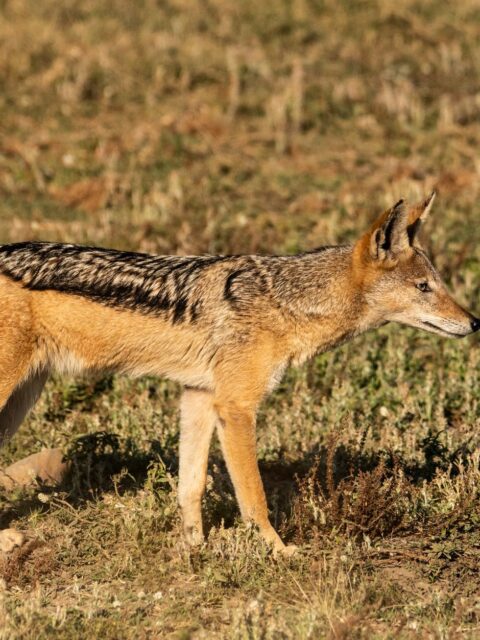
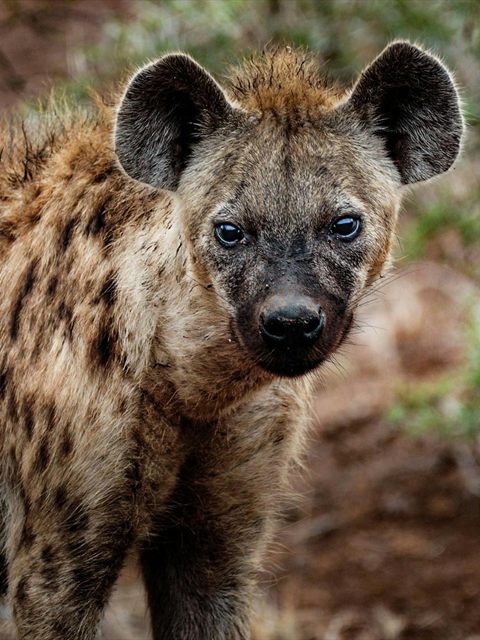
- Jackals, hyenas, large birds of prey, and domestic dogs.
- Defense Mechanisms
- Leopard Tortoises can retract into their shells for protection and have a hard, domed shell that provides a barrier against predators.
- Found in Zoos
- Common