


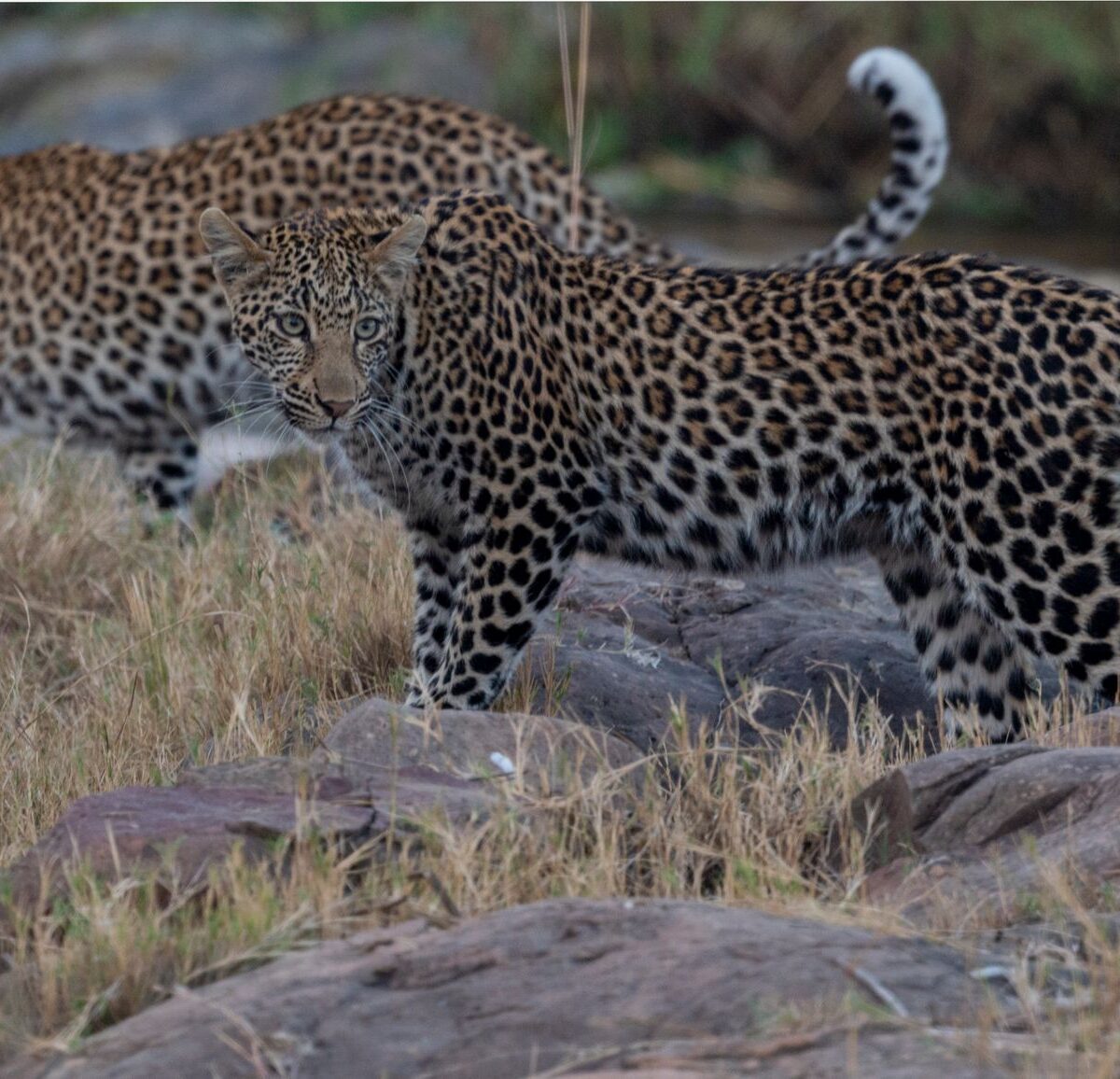
LEOPARD
Panthera pardus
DESCRIPTION
Leopard is commonly known as the Panther and African Leopard. This large feline is characterized by its distinctive rosette-patterned coat, which provides excellent camouflage in its natural habitat. Leopards are highly adaptable and can thrive in a variety of environments, from savannas to rainforests, showcasing their remarkable hunting skills and solitary behavior.
FUN FACTS
- Leopards are known for their incredible strength and can carry prey that weighs more than themselves up into trees to avoid scavengers
- They are also highly adaptable, able to thrive in diverse habitats, which has allowed them to maintain a presence across a wide geographic range despite human encroachment
QUICK INFO
Lifespan12-15 years in the wild, up to 20 years in captivi
Average Weight50-90 kg
Average Length1.2-2.0 m
Diet TypeCarnivore
Social Structuresolitary, males and females typically live alone except during mating or when a mother is raising her cubs
Activity PatternNocturnal
Breeding SeasonYear-round, with peaks depending on the region
- Habitat
- Leopards inhabit a range of environments, including grasslands, savannas, and forests. They are known for their ability to climb trees, which they use for both hunting and safety from larger predators.
- Biomes
- Savanna, Tropical Rainforest, Temperate Forest
- Native Range
- Leopards are found across sub-Saharan Africa, parts of Central Asia, India, and China.
- Continent
- Africa, Asia
- Countries
- South Africa, India, Kenya, Tanzania, Namibia, Botswana, China
- Diet
- Leopards are carnivorous and primarily hunt medium-sized ungulates, but they will also consume smaller mammals, birds, and reptiles. Their opportunistic feeding habits allow them to adapt to the availability of prey in their environment.
- Diet Type
- Carnivore
- Favorite Food
- Antelope, deer, and smaller mammals
- Social Structure
- solitary, males and females typically live alone except during mating or when a mother is raising her cubs
- Activity Pattern
- Nocturnal
- Group Size
- 1
- Territorial
- 1
 LC
LC
50-90 kg
Weight
1.2-2.0 m
Length
- Coloration
- golden-yellow coat with black rosettes
- Sexual Dimorphism
- males are generally larger than females
- Lifespan
- 12-15 years in the wild, up to 20 years in captivi
- Gestation Period
- 90-105 days
- Offspring per Birth
- 2-4
- Sexual Maturity
- 2-3 years
- Breeding Season
- Year-round, with peaks depending on the region
VU
Vulnerable
IUCN Red List Status
- Population Status
- Leopard populations are currently declining due to habitat loss and poaching.
- Wild Population Estimate
- 250,000
- Population Trend
- Decreasing
- Endangered
- 1
- Threats
- Main threats to leopards include habitat destruction, poaching for their beautiful pelts, and conflicts with humans. As their natural habitats shrink, leopards are increasingly coming into contact with human populations, leading to retaliatory killings.
- Predators
- Humans, lions, and hyenas can pose threats to leopards, especially to cubs.
- Defense Mechanisms
- Leopards use their agility and climbing skills to escape threats, often retreating to trees for safety.
- Found in Zoos
- Common