


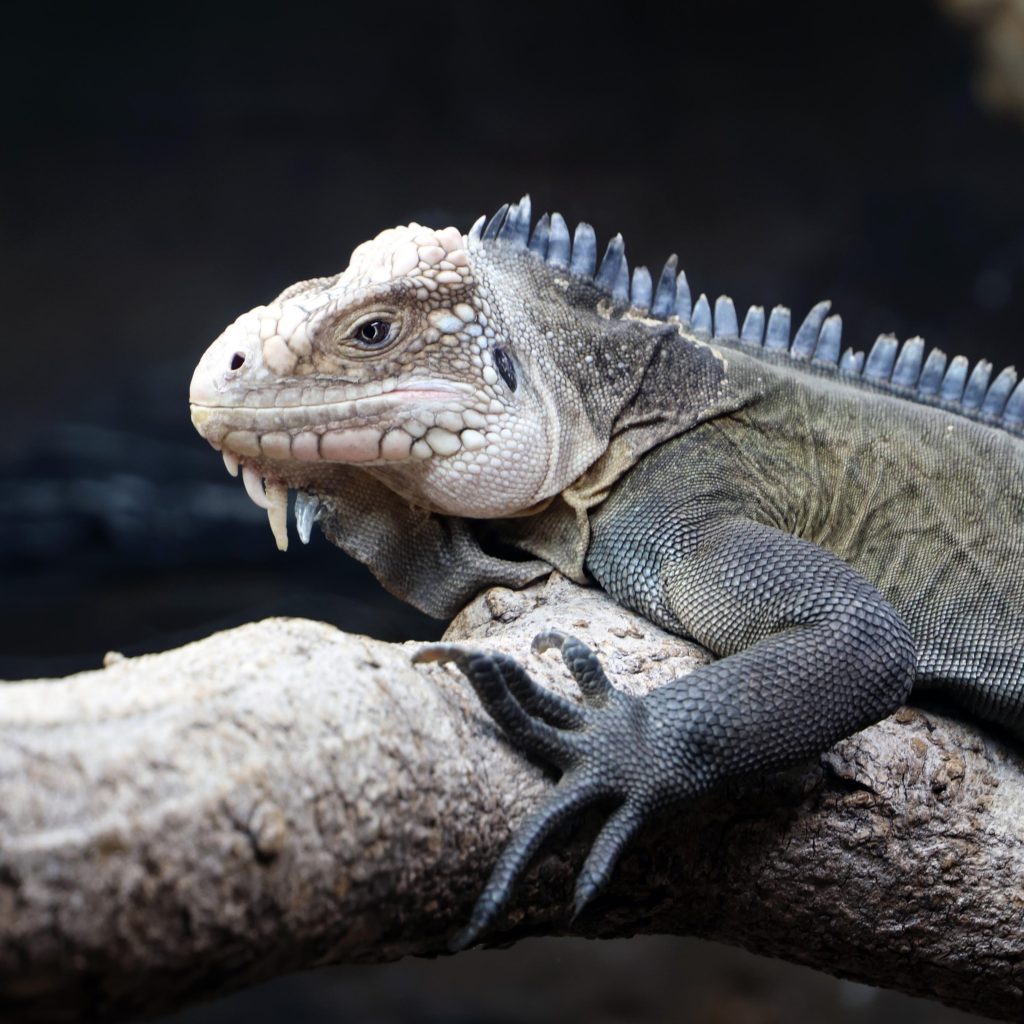
LESSER ANTILLEAN IGUANA
Iguana delicatissima
DESCRIPTION
The Lesser Antillean Iguana is a medium-sized lizard native to the Lesser Antilles. It is known for its vibrant green coloration and distinctive spines along its back.
FUN FACTS
- They can drop from trees to escape predators | Their vibrant coloration helps them blend into their leafy habitats | They are excellent climbers and spend much time in trees
QUICK INFO
Lifespan10-15 years in the wild, up to 20 in captivity
Average Weight1-2 kg
Average Length0.6-1 m
Diet TypeHerbivore
Social Structuresolitary, with males often defending territories
Activity PatternDiurnal
Breeding SeasonSpring (April-June)
- Habitat
- Lesser Antillean Iguanas inhabit tropical dry forests, shrublands, and coastal areas. They prefer areas with abundant vegetation for foraging and shelter.
- Biomes
- Tropical Dry Forest, Coastal
- Native Range
- The species is found on several islands in the Lesser Antilles, including Saint Lucia, Saint Vincent, and Grenada.
- Continent
- North America
- Countries
- Saint Lucia, Saint Vincent and the Grenadines, Grenada
- Diet
- This species primarily feeds on leaves, flowers, and fruits. It plays a crucial role in the ecosystem by aiding in seed dispersal.
- Diet Type
- Herbivore
- Favorite Food
- leaves, flowers, fruits
- Social Structure
- solitary, with males often defending territories
- Activity Pattern
- Diurnal
- Group Size
- 1-3
- Territorial
- 1
 VU
VU

1-2 kg
Weight
0.6-1 m
Length
- Coloration
- vibrant green with darker markings
- Sexual Dimorphism
- males are generally larger and more colorful than females
- Lifespan
- 10-15 years in the wild, up to 20 in captivity
- Offspring per Birth
- 2-5
- Sexual Maturity
- 2-3 years
- Breeding Season
- Spring (April-June)
EN
Endangered
IUCN Red List Status
- Population Status
- The population is declining due to habitat loss and predation.
- Wild Population Estimate
- unknown
- Population Trend
- Decreasing
- Endangered
- 1
- Threats
- Main threats include habitat destruction, invasive species, and predation by domestic animals. Conservation efforts are needed to protect their habitats.
- Predators
- birds of prey, feral cats, and dogs
- Defense Mechanisms
- They can camouflage with their surroundings and may flee to trees to escape predators.
- Found in Zoos
- Uncommon