


LESSER KESTREL
Falco naumanni
DESCRIPTION
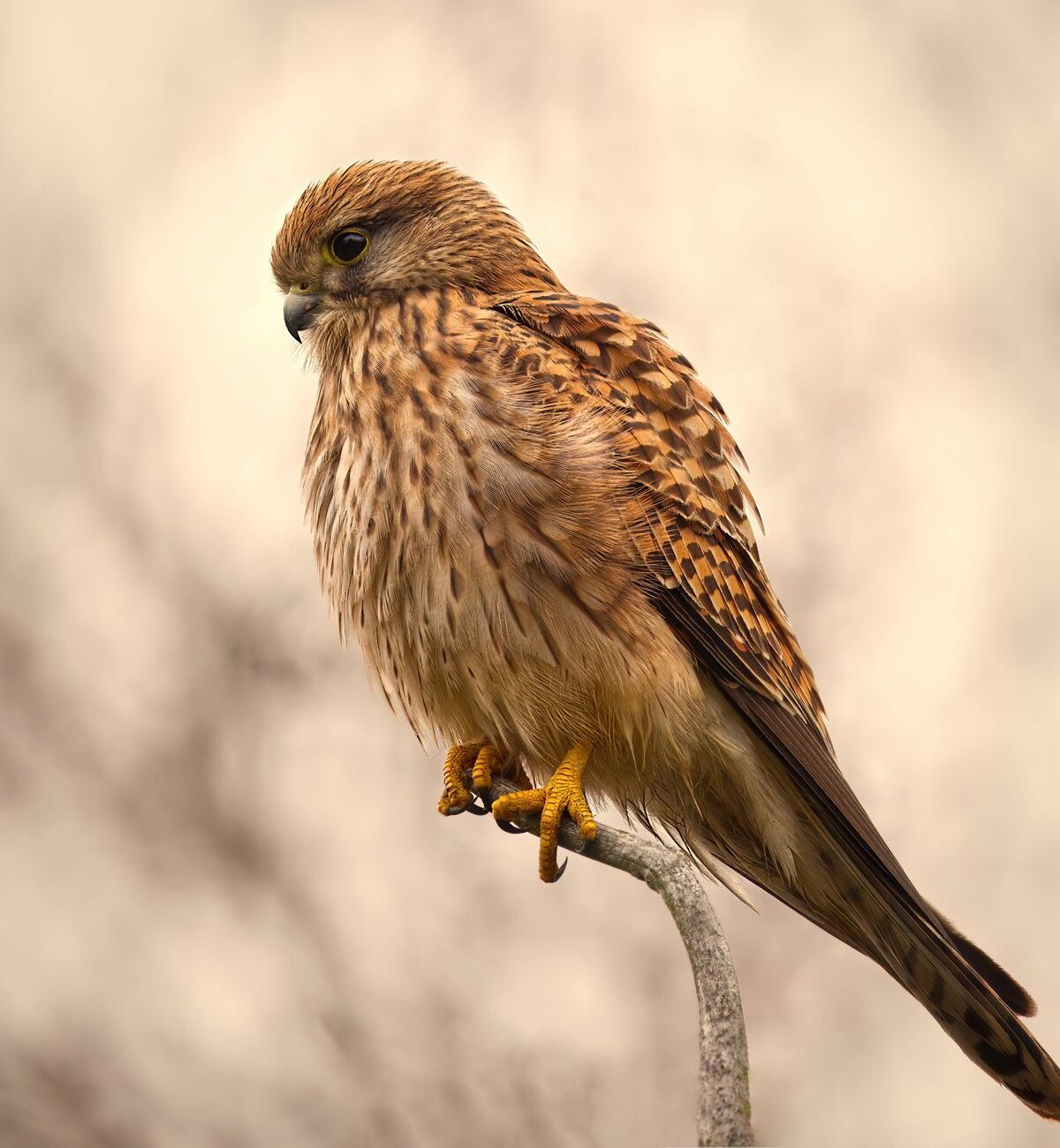
Lesser Kestrel (Falco naumanni) is a small falcon known for its distinctive appearance, featuring a pale brown body with a lighter underside and dark spots. This species exhibits a unique behavior of hunting insects and small vertebrates while often hovering in the air, showcasing its agility and precision. In terms of ecology, Lesser Kestrels prefer open habitats such as grasslands and agricultural fields, where they can easily spot their prey.
FUN FACTS
- Lesser Kestrels are known for their unique hunting technique called 'kiting,' where they hover in the air to spot prey below
- This behavior not only showcases their incredible flying skills but also allows them to cover large areas while searching for food
- | During the breeding season, Lesser Kestrels often return to the same nesting sites year after year, demonstrating strong site fidelity
- They are also known to nest in colonies, which can provide safety in numbers against potential predators
QUICK INFO
Lifespan5-10 years in the wild
Average Weight150-200 g
Average Length28-34 cm
Diet TypeInsectivore
Social Structurepair, often seen in small groups during migration and outside of the breeding season
Activity PatternDiurnal
Breeding SeasonSpring (April-June)
- Habitat
- Lesser Kestrels inhabit open landscapes, including grasslands, farmlands, and steppes, where they can find ample food sources. They often nest in old buildings or cliffs, utilizing human structures for breeding.
- Biomes
- Grassland, Agricultural
- Native Range
- Lesser Kestrels are found across parts of Europe, Asia, and North Africa, migrating to sub-Saharan Africa during the winter months.
- Continent
- Europe, Asia, Africa
- Countries
- Spain, Italy, Greece, Turkey, Kazakhstan, South Africa
- Diet
- Lesser Kestrels primarily feed on insects, particularly grasshoppers and beetles, but they also consume small mammals and birds when available.
- Diet Type
- Insectivore
- Favorite Food
- grasshoppers, beetles
- Social Structure
- pair, often seen in small groups during migration and outside of the breeding season
- Activity Pattern
- Diurnal
- Group Size
- 2-10
- Territorial
- 1
 LC
LC
 LC
LC
150-200 g
Weight
28-34 cm
Length
- Coloration
- pale brown with a lighter underside and dark spots
- Sexual Dimorphism
- males are generally smaller and have more vibrant coloration compared to females
- Lifespan
- 5-10 years in the wild
- Offspring per Birth
- 3-6
- Sexual Maturity
- 1 year
- Breeding Season
- Spring (April-June)
LC
Least Concern
IUCN Red List Status
- Population Status
- The population of Lesser Kestrels is currently stable in some regions, but it faces threats in others due to habitat loss.
- Wild Population Estimate
- 50,000-100,000
- Population Trend
- Stable
- Endangered
- 0
- Threats
- Main threats to Lesser Kestrels include habitat destruction due to agricultural intensification and pesticide use, which reduces their food supply. Additionally, climate change poses a risk to their migratory patterns and breeding success.
- Predators
- larger birds of prey, domestic cats, and some mammals may prey on Lesser Kestrel eggs and chicks.
- Defense Mechanisms
- Lesser Kestrels often use their agility and speed to evade predators, and they may also perform distraction displays to protect their nests.
- Found in Zoos
- Uncommon