


LESSER SNOW GOOSE
Anser caerulescens caerulescens
DESCRIPTION
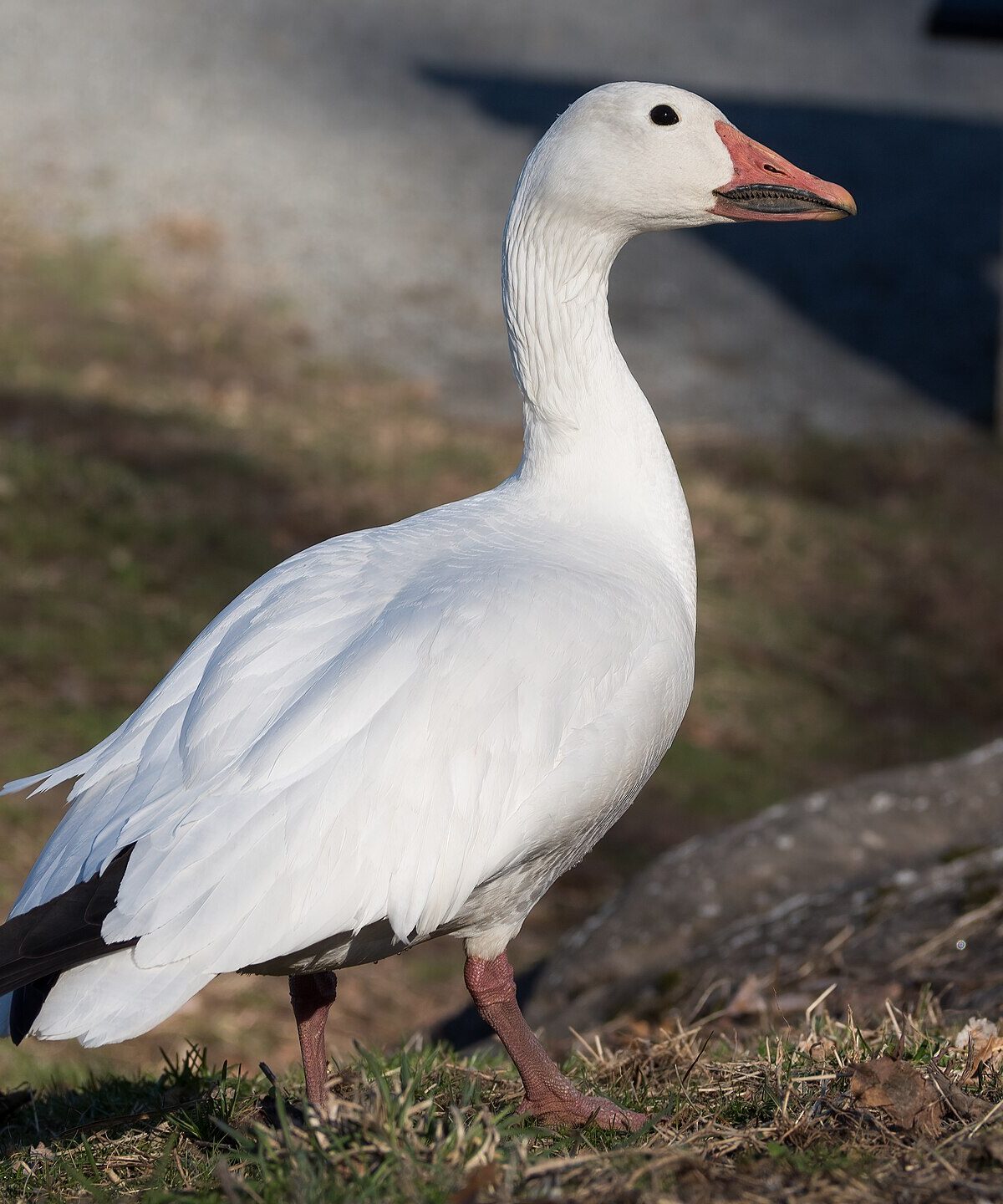
Lesser snow goose (Anser caerulescens caerulescens) is a medium-sized waterfowl known for its striking white plumage and black wingtips. This species exhibits a variety of color morphs, including a blue phase with grayish-brown feathers. Lesser snow geese are highly social birds, often seen in large flocks, and are known for their migratory behavior, traveling thousands of miles between breeding and wintering grounds.
FUN FACTS
- Lesser snow geese are known for their impressive migratory journeys, traveling from their breeding grounds in the Arctic to wintering areas in the southern United States and Mexico
- During migration, they can fly at altitudes of up to 10,000 feet, showcasing their remarkable endurance and navigational skills
- | The blue morph of the Lesser snow goose is a fascinating example of color variation in birds, which can occur due to genetic factors
- This morph is less common than the white morph and is often mistaken for other species, highlighting the diversity within this single species
QUICK INFO
Lifespan10-15 years in the wild, up to 20 years in captivi
Average Weight2.5-3.5 kg
Average Length65-75 cm
Diet TypeHerbivore
Social StructureThey are highly social and often found in large groups, especially during migration and feeding.
Activity PatternDiurnal
Breeding SeasonSpring (May-June)
- Habitat
- These geese inhabit wetlands, marshes, and tundra during the breeding season, while they prefer agricultural fields and estuaries during migration and winter. They are often found in areas with abundant food sources.
- Biomes
- Wetlands, Tundra, Temperate Grassland
- Native Range
- Lesser snow geese breed in the Arctic and sub-Arctic regions of North America and migrate to the southern United States and Mexico for the winter.
- Continent
- North America
- Countries
- Canada, United States, Mexico
- Diet
- Lesser snow geese primarily feed on grasses, grains, and other herbaceous plants. They are known to graze in agricultural fields, particularly during migration.
- Diet Type
- Herbivore
- Favorite Food
- grasses, grains
- Social Structure
- They are highly social and often found in large groups, especially during migration and feeding.
- Activity Pattern
- Diurnal
- Group Size
- 50-1000
- Territorial
- 0
 LC
LC
 LC
CR
LC
CR
2.5-3.5 kg
Weight
65-75 cm
Length
- Coloration
- Primarily white with black wingtips; blue morphs are grayish-brown.
- Sexual Dimorphism
- Males and females are similar in appearance, though males are generally larger.
- Lifespan
- 10-15 years in the wild, up to 20 years in captivi
- Offspring per Birth
- 3-5
- Sexual Maturity
- 2-3 years
- Breeding Season
- Spring (May-June)
LC
Least Concern
IUCN Red List Status
- Population Status
- The population of Lesser snow geese is currently stable, with large numbers observed during migration.
- Wild Population Estimate
- 1,000,000-2,000,000
- Population Trend
- Increasing
- Endangered
- 0
- Threats
- Main threats include habitat loss due to agricultural expansion and climate change, which affects their breeding and feeding grounds. Additionally, hunting pressure can impact local populations.
- Predators
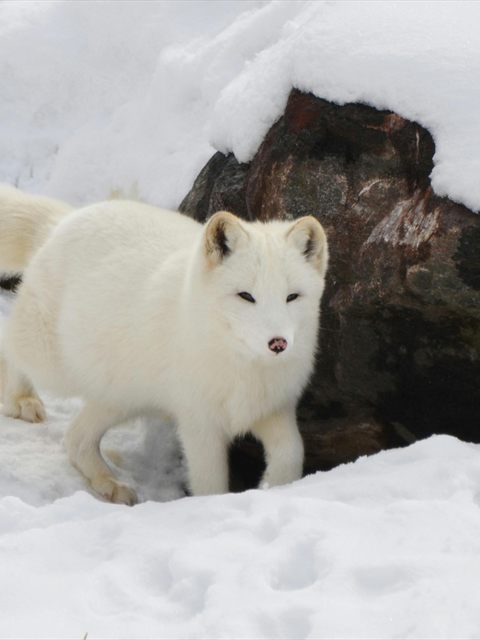
- Arctic foxes, wolves, and various birds of prey such as eagles and hawks.
- Defense Mechanisms
- They rely on their flocking behavior for safety, using numbers to confuse predators and increase vigilance.
- Compatible Animals
- Other waterfowl species, null
- Found in Zoos
- Uncommon