


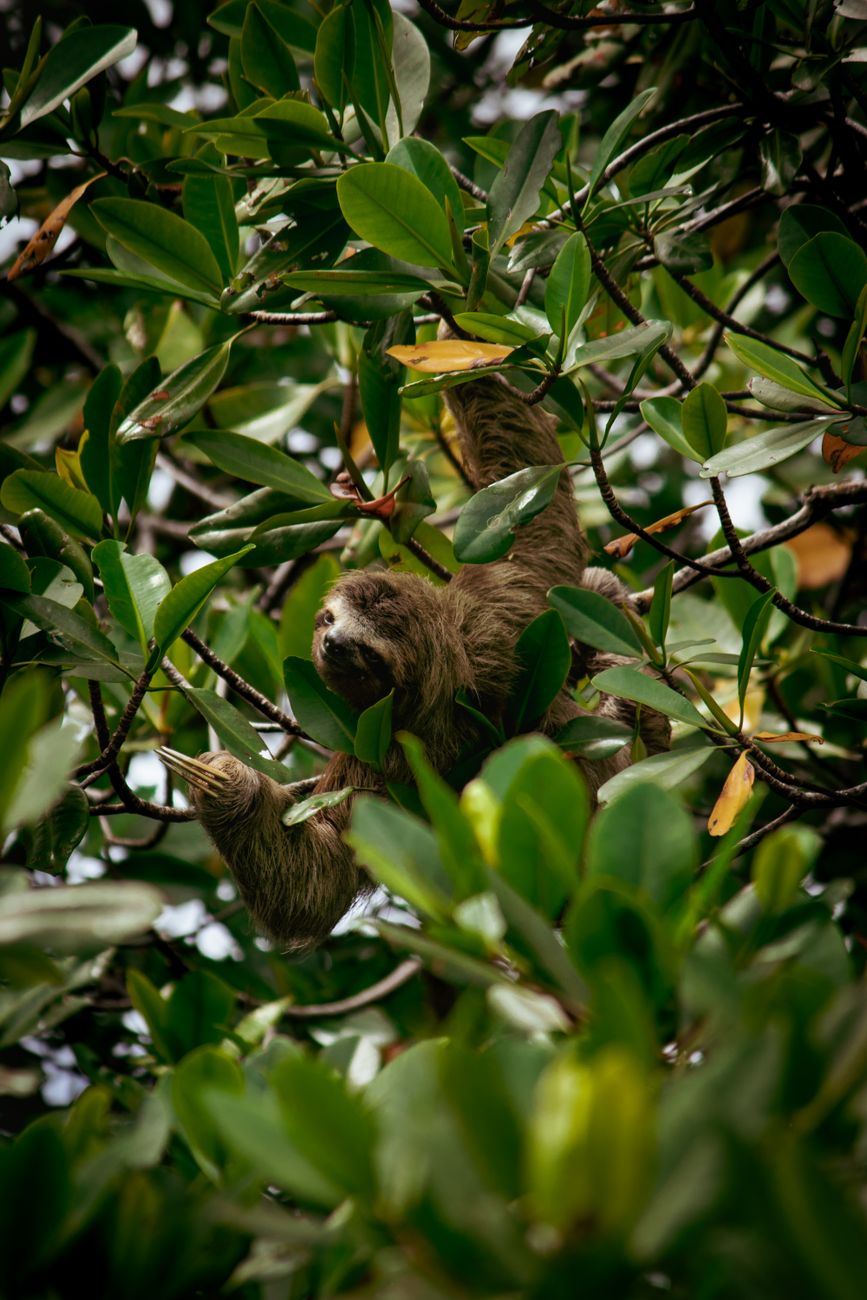
LINNAEUS SLOTH
Bradypus variegatus
DESCRIPTION
Linnaeus Sloth (Bradypus variegatus) is commonly known as the Brown-throated Sloth. This species is characterized by its slow-moving nature and a distinctive brownish coat that often appears green due to algae growth. They are arboreal mammals, spending most of their lives hanging upside down in trees, where they exhibit a unique blend of lethargy and energy-efficient living.
FUN FACTS
- Linnaeus Sloths have a very low metabolic rate, which allows them to survive on a diet of leaves that are low in calories
- They can take up to a month to digest a single meal! | Despite their slow nature, sloths are excellent swimmers and can hold their breath for up to 40 minutes while swimming, using their long arms to paddle through the water
QUICK INFO
Lifespan15-20 years in the wild, up to 30 in captivity
Average Weight4-8 kg
Average Length50-70 cm
Diet TypeHerbivore
Social Structuresolitary, occasionally seen in pairs during mating season
Activity PatternDiurnal
Breeding SeasonYear-round, with peaks depending on the region
- Habitat
- These sloths inhabit tropical rainforests and can also be found in other forested areas. They prefer areas with abundant foliage to provide both food and cover from predators.
- Biomes
- Tropical Rainforest
- Native Range
- Linnaeus Sloths are native to Central and South America, ranging from Honduras to Brazil.
- Continent
- North America, South America
- Countries
- Honduras, Nicaragua, Costa Rica, Panama, Colombia, Venezuela, Brazil, Ecuador, Peru
- Diet
- Linnaeus Sloths primarily feed on leaves, fruits, and flowers, which they digest slowly due to their low metabolic rate. Their diet is rich in fibrous plant material, which provides them with minimal energy.
- Diet Type
- Herbivore
- Favorite Food
- leaves, fruits, flowers
- Social Structure
- solitary, occasionally seen in pairs during mating season
- Activity Pattern
- Diurnal
- Group Size
- 1-2
- Territorial
- 0
 VU
VU
 NT
NT
 NT
NT
4-8 kg
Weight
50-70 cm
Length
- Coloration
- brownish coat with greenish tinge due to algae
- Sexual Dimorphism
- males are generally slightly smaller than females
- Lifespan
- 15-20 years in the wild, up to 30 in captivity
- Gestation Period
- 11 months
- Offspring per Birth
- 1
- Sexual Maturity
- 3-4 years
- Breeding Season
- Year-round, with peaks depending on the region
LC
Least Concern
IUCN Red List Status
- Population Status
- The population of Linnaeus Sloths is currently stable, but habitat loss poses a potential threat.
- Wild Population Estimate
- Unknown
- Population Trend
- Stable
- Endangered
- 0
- Threats
- Main threats include habitat destruction due to deforestation and human encroachment. Additionally, they are sometimes hunted for their meat and fur.
- Predators
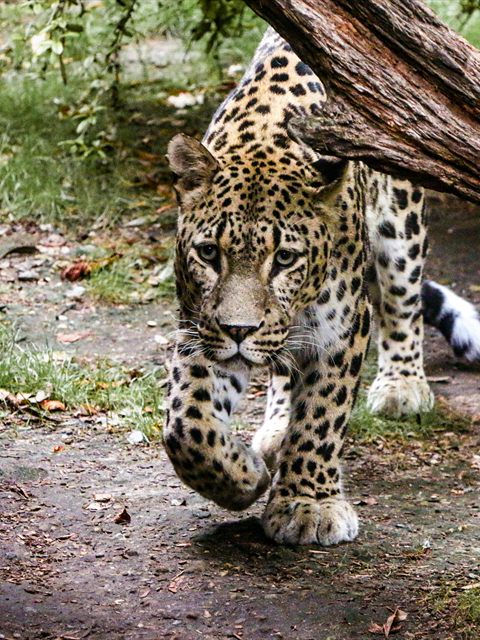
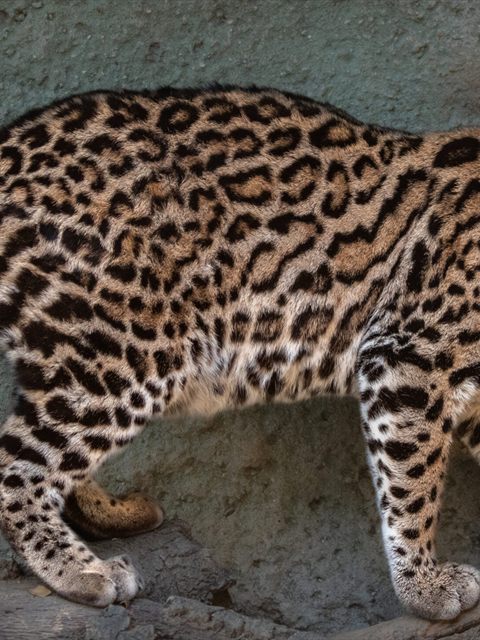
- Harpy Eagles, Jaguars, Ocelots, and large snakes are known predators of Linnaeus Sloths.
- Defense Mechanisms
- Their slow movements and greenish coloration help them blend into the foliage, making it difficult for predators to spot them.
- Found in Zoos
- Common