


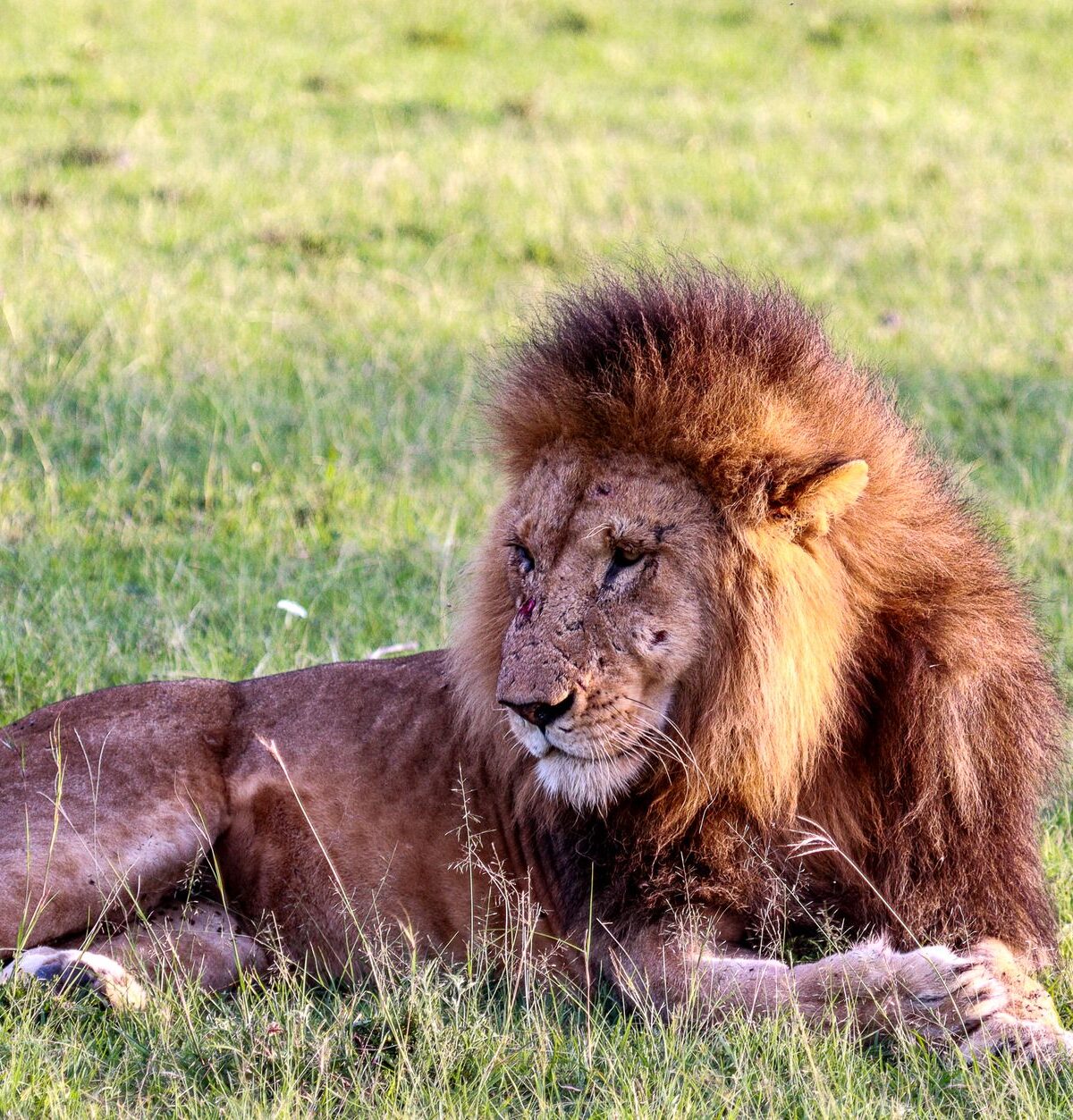
LION
Panthera leo
DESCRIPTION
Lion (Panthera leo) is commonly known as the African Lion and the Asiatic Lion. This large, muscular cat is characterized by its tawny coat, with males distinguished by their impressive manes that can vary in color and size. Lions are social animals, living in groups called prides, which consist of related females, their offspring, and a small number of adult males, showcasing complex social behaviors and cooperative hunting strategies.
FUN FACTS
- Lions are the only truly social cats, living in prides that can include up to 30 individuals
- Their social structure allows them to work together to hunt and protect their territory
- | A lion's roar can be heard from up to 8 kilometers away, serving as a powerful means of communication and territorial display
- This vocalization is crucial for maintaining pride cohesion and deterring intruders
QUICK INFO
Lifespan10-14 years in the wild, up to 20 years in captivi
Average Weight150-250 kg
Average Length1.8-2.5 m
Diet TypeCarnivore
Social Structuregroup — Lions live in prides, which are social units that provide protection and cooperative hunting.
Activity PatternCrepuscular
Breeding SeasonYear-round, with peaks depending on region
- Habitat
- Lions inhabit a variety of environments, including savannas, grasslands, and open woodlands. They prefer areas with ample prey and some cover for stalking.
- Biomes
- Savanna, Grassland, Woodland
- Native Range
- Historically widespread across Africa, lions are now primarily found in sub-Saharan Africa, with a small population of Asiatic lions in the Gir Forest of India.
- Continent
- Africa, Asia
- Countries
- Tanzania, Kenya, South Africa, India
- Diet
- Lions primarily hunt large ungulates, such as zebras and wildebeests, but they will also scavenge when necessary. They are known for their cooperative hunting techniques, often working together to take down prey.
- Diet Type
- Carnivore
- Favorite Food
- Zebras, wildebeests, buffalo
- Social Structure
- group — Lions live in prides, which are social units that provide protection and cooperative hunting.
- Activity Pattern
- Crepuscular
- Group Size
- 5-15
- Territorial
- 1
 VU
VU
150-250 kg
Weight
1.8-2.5 m
Length
1.2 m at shoulder
Height (Shoulder)
- Coloration
- Tawny coat with a lighter underbelly; males have a darker mane.
- Sexual Dimorphism
- Males are larger and have manes, while females are smaller and lack manes.
- Lifespan
- 10-14 years in the wild, up to 20 years in captivi
- Gestation Period
- 110 days
- Offspring per Birth
- 1-4
- Sexual Maturity
- 3-4 years
- Breeding Season
- Year-round, with peaks depending on region
VU
Vulnerable
IUCN Red List Status
- Population Status
- Lions are currently facing significant population declines due to habitat loss and human-wildlife conflict.
- Wild Population Estimate
- 20,000-25,000
- Population Trend
- Decreasing
- Endangered
- 1
- Threats
- Main threats to lions include habitat loss, poaching, and conflicts with humans. These factors have led to a significant decline in their populations across Africa.
- Conservation Program
- African Lion Recovery Project
- Predators
- Humans are the primary threat to lions, but cubs may be vulnerable to hyenas and leopards.
- Defense Mechanisms
- Lions rely on their size, strength, and social structure for defense, often using their powerful roars to establish territory.
- Compatible Animals
- None
- Found in Zoos
- Common