



LITTLE BITTERN
Ixobrychus minutus
DESCRIPTION
Little Bittern (Ixobrychus minutus) is a small heron known for its elusive nature and secretive behavior. It has a distinctive appearance with a short neck, a stout body, and a long bill, typically exhibiting a combination of brown, black, and white plumage that provides excellent camouflage among reeds and marshes. This species is primarily found in wetlands, where it employs a stealthy hunting technique, often remaining motionless while waiting for prey to approach.
FUN FACTS
- Little Bitterns are known for their unique hunting technique, where they often remain motionless for long periods, waiting for the perfect moment to strike at their prey
- This behavior, combined with their small size, makes them one of the most elusive birds in their habitat
- | Despite their small size, Little Bitterns are highly territorial during the breeding season, often engaging in displays of aggression to defend their nesting sites from intruders
- Their secretive nature and preference for dense vegetation make them a challenge to study in the wild
QUICK INFO
Lifespan5-10 years in the wild
Average Weight100-200 g
Average Length30-38 cm
Diet TypePiscivore
Social Structuresolitary, pairs during breeding season
Activity PatternCrepuscular
Breeding SeasonSpring (April-June)
- Habitat
- Little Bittern inhabits dense reed beds and marshy areas, often near shallow waters. These habitats provide both cover for hunting and nesting sites.
- Biomes
- Wetlands, Marshes
- Native Range
- Little Bittern is found across Europe, parts of Asia, and North Africa, migrating to sub-Saharan Africa during the winter months.
- Continent
- Europe, Asia, Africa
- Countries
- Spain, Italy, Greece, Turkey, Egypt
- Diet
- Little Bittern primarily feeds on small fish, amphibians, and invertebrates, using its sharp bill to catch prey. It is known to hunt by standing still and striking quickly when an opportunity arises.
- Diet Type
- Piscivore
- Favorite Food
- small fish, amphibians
- Social Structure
- solitary, pairs during breeding season
- Activity Pattern
- Crepuscular
- Group Size
- 1-2
- Territorial
- 1
 LC
LC

100-200 g
Weight
30-38 cm
Length
- Coloration
- brown and black with white streaks, providing excellent camouflage
- Sexual Dimorphism
- males and females are similar in appearance, but males are slightly larger
- Lifespan
- 5-10 years in the wild
- Offspring per Birth
- 3-5
- Sexual Maturity
- 1-2 years
- Breeding Season
- Spring (April-June)
LC
Least Concern
IUCN Red List Status
- Population Status
- The population of Little Bittern is currently stable in some regions, but it faces threats in others due to habitat loss.
- Wild Population Estimate
- 50,000-100,000
- Population Trend
- Stable
- Endangered
- 0
- Threats
- Main threats include habitat destruction due to wetland drainage and pollution. Climate change also poses a risk by altering the availability of suitable habitats.
- Predators
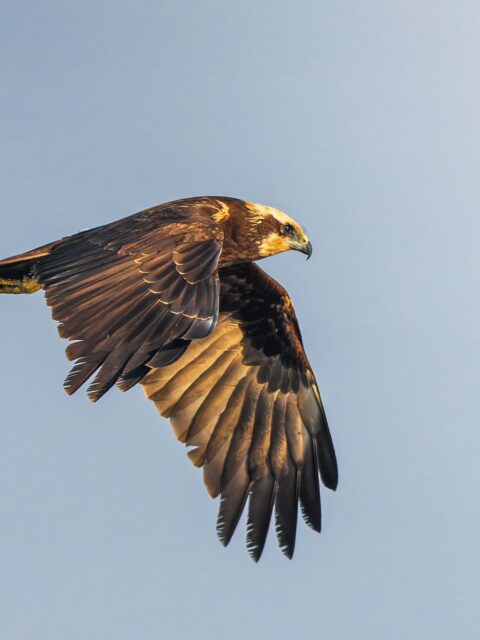
- Marsh harriers, foxes, and larger birds of prey are known to prey on Little Bitterns, particularly their eggs and young.
- Defense Mechanisms
- Little Bitterns rely on their cryptic coloration to blend into their surroundings, making them less visible to predators.
- Found in Zoos
- Rare