


LITTLE BLUE HERON
Egretta caerulea
DESCRIPTION
Little Blue Heron (Egretta caerulea) is a striking wading bird known for its unique coloration and graceful presence. Adults exhibit a beautiful slate-blue plumage, while juveniles are predominantly white, which can lead to confusion with other heron species. This heron is often found in shallow wetlands, where it employs stealth and patience to hunt for fish and other aquatic prey.
FUN FACTS
- Little Blue Herons are known for their unique hunting style, often standing still for long periods before striking at fish with incredible speed
- They also exhibit a fascinating behavior called 'fishing together,' where they may work in pairs to herd fish into shallow waters for easier capture
- | The coloration of juvenile Little Blue Herons is predominantly white, which helps them avoid detection by predators
- As they mature, they develop their striking slate-blue plumage, making them one of the most visually appealing herons in their habitat
QUICK INFO
Lifespan10-15 years in the wild
Average Weight0.5-1 kg
Average Length0.6-0.7 m
Diet TypePiscivore
Social Structuresolitary, occasionally found in small groups while feeding
Activity PatternDiurnal
Breeding SeasonSpring to early summer
- Habitat
- Little Blue Herons inhabit freshwater and saltwater marshes, mangroves, and coastal areas. They prefer shallow waters where they can easily forage for food.
- Biomes
- Wetlands, Coastal
- Native Range
- The native range of the Little Blue Heron extends from the southeastern United States through Central America and into parts of South America.
- Continent
- North America, Central America, South America
- Countries
- United States, Mexico, Belize, Costa Rica, Colombia
- Diet
- Little Blue Herons primarily feed on fish, crustaceans, and amphibians, using their sharp beaks to catch prey in the water. They are skilled hunters, often standing still for long periods before striking.
- Diet Type
- Piscivore
- Favorite Food
- fish, crustaceans
- Social Structure
- solitary, occasionally found in small groups while feeding
- Activity Pattern
- Diurnal
- Group Size
- 1-5
- Territorial
- 0
 LC
LC

 VU
VU
 LC
LC
0.5-1 kg
Weight
0.6-0.7 m
Length
- Coloration
- Slate-blue with a white head and neck in juveniles
- Lifespan
- 10-15 years in the wild
- Offspring per Birth
- 3-5
- Sexual Maturity
- 1-2 years
- Breeding Season
- Spring to early summer
LC
Least Concern
IUCN Red List Status
- Population Status
- The population of Little Blue Herons is currently stable, though they face habitat loss in some areas.
- Wild Population Estimate
- 50,000-100,000
- Population Trend
- Stable
- Endangered
- 0
- Threats
- Main threats include habitat destruction due to urban development and pollution of water bodies. Climate change also poses a risk to their wetland habitats.
- Predators
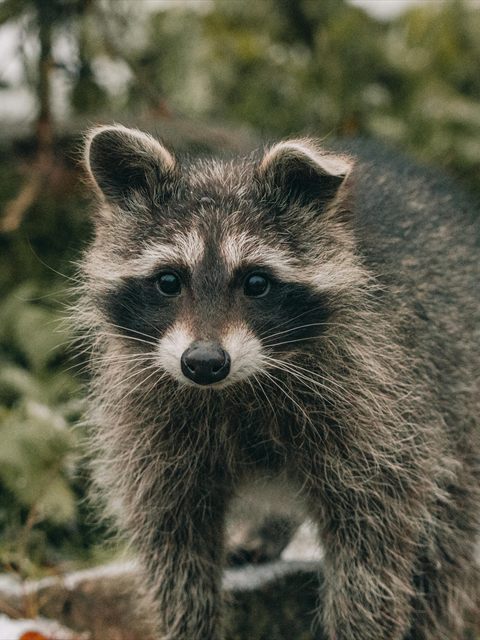
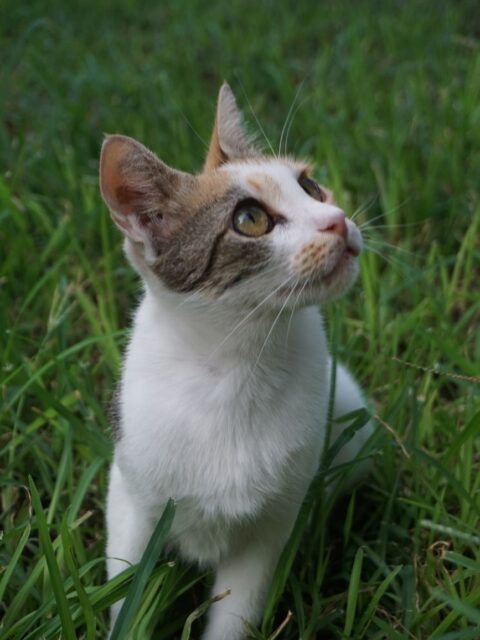
- Raccoons, alligators, large birds of prey, and domestic cats
- Defense Mechanisms
- Little Blue Herons rely on their ability to blend into their surroundings and their quick flight to escape predators.
- Compatible Animals
- other herons, egrets, ducks
- Found in Zoos
- Uncommon