


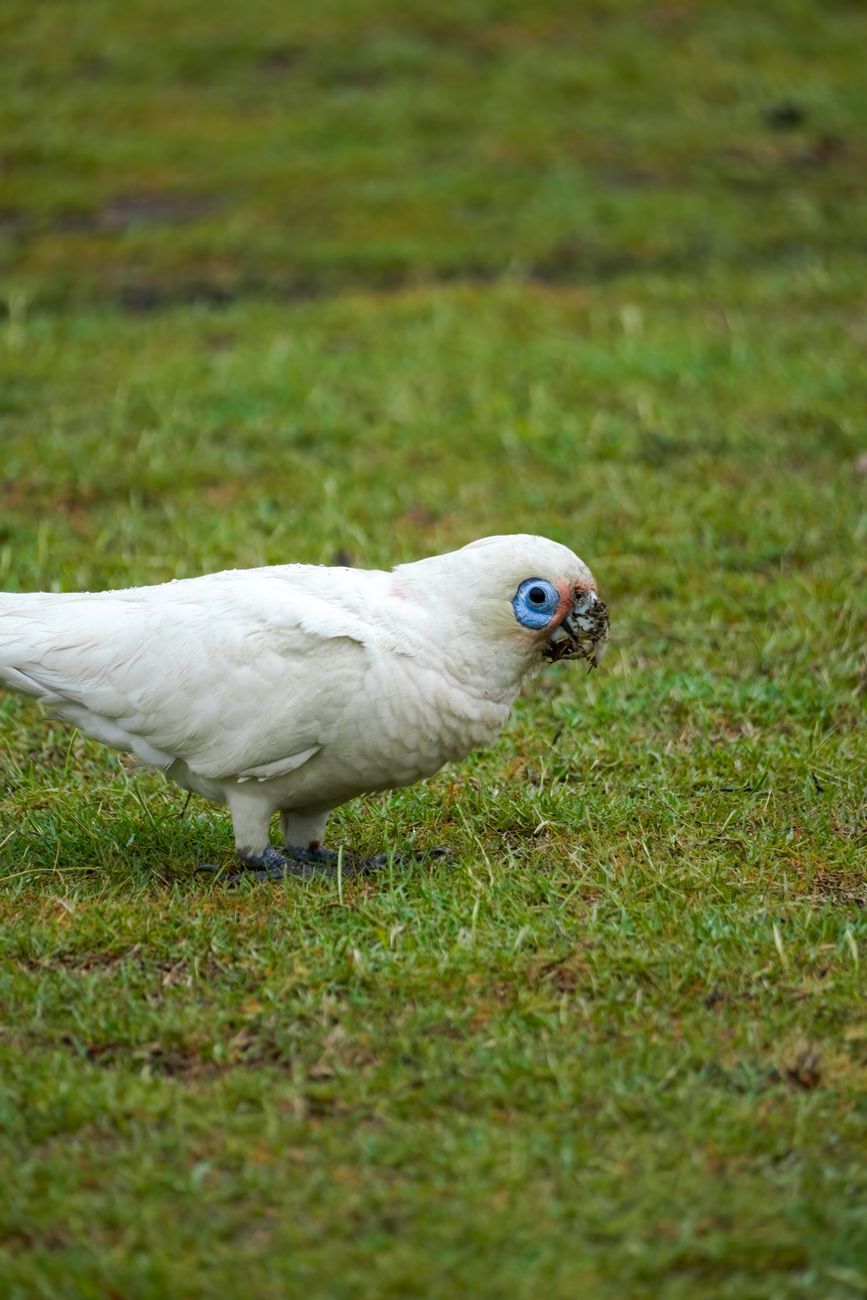
LITTLE CORELLA
Cacatua sanguinea
DESCRIPTION
Little Corella (Cacatua sanguinea) is a medium-sized cockatoo known for its striking white plumage and distinctive crest. This species exhibits a playful and social nature, often seen in flocks, engaging in acrobatic displays and vocalizations. They are highly adaptable birds, thriving in various environments, and are often found near water sources in their native range.
FUN FACTS
- Little Corellas are known for their impressive vocal mimicry, often imitating sounds from their environment, including human speech and other bird calls
- They are also highly social creatures, often engaging in synchronized movements and displays during courtship, which can be quite entertaining to observe.|These birds have a unique way of communicating with each other, using a variety of calls and body language
- Their playful nature makes them popular pets, but they require a lot of social interaction and mental stimulation to thrive
QUICK INFO
Lifespan20-30 years in the wild, up to 40 in captivity
Average Weight250-350 g
Average Length30-35 cm
Diet TypeHerbivore
Social StructureThey are typically found in groups, often seen in flocks of 10-30 individuals, but can gather in larger numbers when foraging.
Activity PatternDiurnal
Breeding SeasonSpring to early summer (August to January)
- Habitat
- Little Corellas inhabit open woodlands, grasslands, and urban areas, often near water bodies. They prefer habitats that provide ample food sources and nesting sites.
- Biomes
- Grassland, Savanna, Woodland
- Native Range
- The native range of Little Corella includes northern and eastern Australia, as well as parts of New Guinea and nearby islands.
- Continent
- Australia, Oceania
- Countries
- Australia, Papua New Guinea, Indonesia
- Diet
- Little Corellas primarily feed on seeds, fruits, and nuts, often foraging on the ground or in trees. They are known to enjoy a variety of plant materials, which they skillfully crack open with their strong beaks.
- Diet Type
- Herbivore
- Favorite Food
- seeds, fruits, nuts
- Social Structure
- They are typically found in groups, often seen in flocks of 10-30 individuals, but can gather in larger numbers when foraging.
- Activity Pattern
- Diurnal
- Group Size
- 10-30
- Territorial
- 0
 CR
CR
250-350 g
Weight
30-35 cm
Length
- Coloration
- Predominantly white with a slight pink hue on the face and underparts, and a distinctive crest that can be raised or lowered.
- Sexual Dimorphism
- Males and females are similar in appearance, but males typically have a slightly larger crest and darker eye color.
- Lifespan
- 20-30 years in the wild, up to 40 in captivity
- Offspring per Birth
- 1-3
- Sexual Maturity
- 2-3 years
- Breeding Season
- Spring to early summer (August to January)
LC
Least Concern
IUCN Red List Status
- Population Status
- The population of Little Corellas is currently stable, with no immediate threats to their survival.
- Wild Population Estimate
- 100,000+
- Population Trend
- Stable
- Endangered
- 0
- Threats
- Main threats include habitat loss due to land clearing and urban development. Additionally, they can be affected by changes in food availability and competition with other species.
- Predators
- Natural predators include birds of prey such as eagles and hawks, as well as feral cats and foxes.
- Defense Mechanisms
- Little Corellas use their loud vocalizations and flocking behavior to deter predators, and they can also fly quickly to escape threats.
- Compatible Animals
- Other cockatoos, parrots, and compatible bird species in aviaries
- Found in Zoos
- Common