


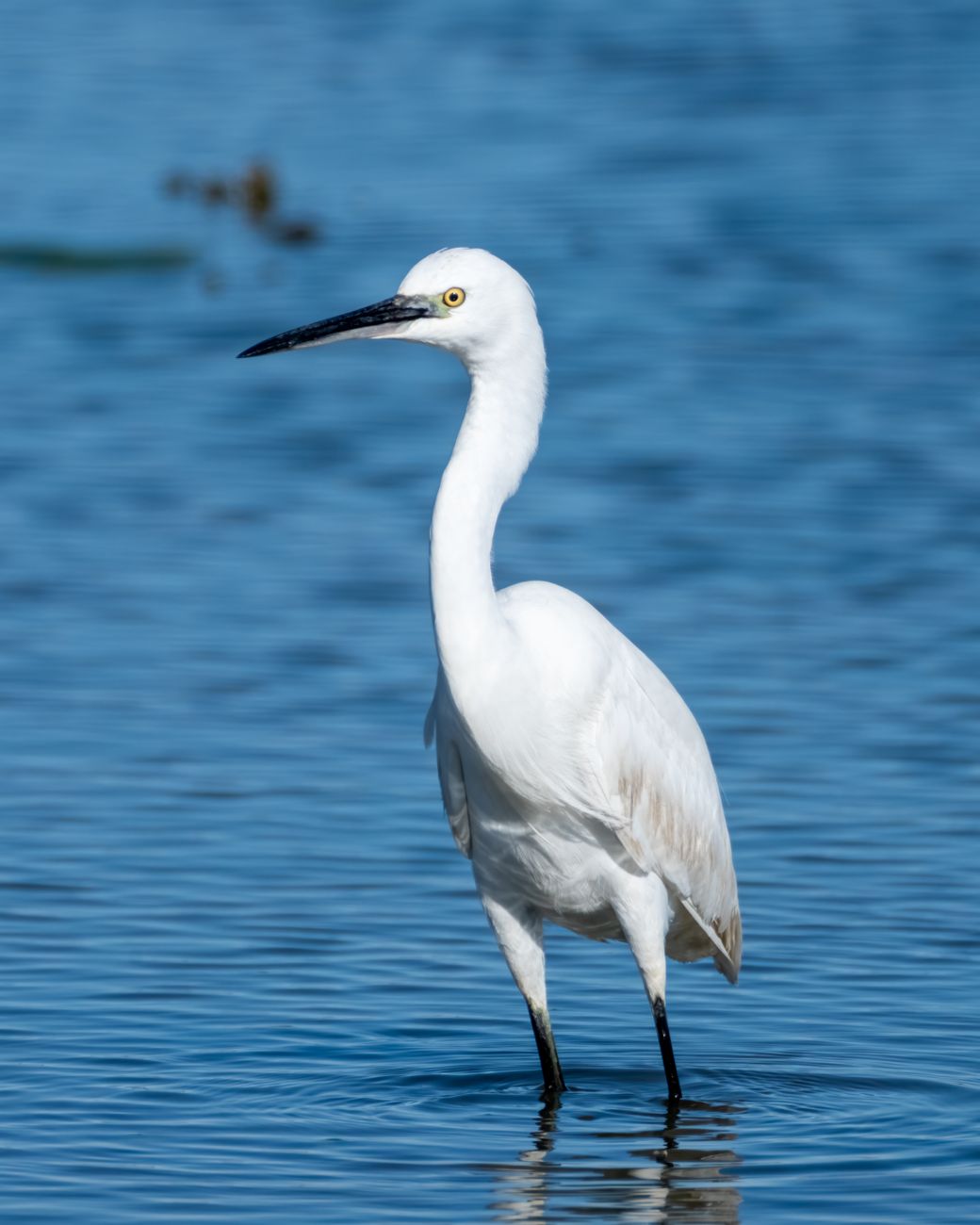
LITTLE EGRET
Egretta garzetta
DESCRIPTION
Little Egret (Egretta garzetta) is a small, elegant heron known for its striking white plumage and long, slender legs. It has a distinctive black bill and black legs with bright yellow feet, which aid in its hunting technique. This species is often found in shallow waters where it employs a variety of foraging techniques, including stalking and foot-trembling to disturb prey.
FUN FACTS
- Little Egrets are known for their elaborate courtship displays, which include intricate dances and posturing to attract mates
- They also have a unique hunting technique called 'foot-trembling,' where they shake their feet in the water to lure fish closer
- | In some regions, Little Egrets have adapted to urban environments, often seen foraging in parks and gardens
- Their adaptability to different habitats showcases their resilience and ability to thrive in changing environments
QUICK INFO
Lifespan10-15 years in the wild
Average Weight0.5-1 kg
Average Length0.6-0.7 m
Diet TypePiscivore
Social Structuresolitary or in small groups, often seen foraging alone or in pairs
Activity PatternDiurnal
Breeding SeasonSpring to early summer
- Habitat
- Little Egrets inhabit wetlands, marshes, and coastal areas, often near shallow waters. They prefer areas with abundant vegetation for nesting and foraging.
- Biomes
- Wetlands, Coastal
- Native Range
- Little Egrets are native to Europe, Africa, Asia, and parts of Australia.
- Continent
- Europe, Asia, Africa, Australia
- Countries
- France, Italy, Spain, India, China, Australia
- Diet
- Little Egrets primarily feed on fish, crustaceans, and small invertebrates. They are skilled hunters, often seen wading in shallow waters to catch their prey.
- Diet Type
- Piscivore
- Favorite Food
- fish, crustaceans
- Social Structure
- solitary or in small groups, often seen foraging alone or in pairs
- Activity Pattern
- Diurnal
- Group Size
- 1-10
- Territorial
- 0

 VU
VU
0.5-1 kg
Weight
0.6-0.7 m
Length
- Coloration
- pure white plumage with black legs and a yellow foot
- Lifespan
- 10-15 years in the wild
- Offspring per Birth
- 3-5
- Sexual Maturity
- 1-2 years
- Breeding Season
- Spring to early summer
LC
Least Concern
IUCN Red List Status
- Population Status
- The population of Little Egrets is currently stable, with some local increases noted.
- Wild Population Estimate
- 100,000-200,000
- Population Trend
- Stable
- Endangered
- 0
- Threats
- Main threats include habitat loss due to wetland drainage and pollution. Climate change also poses a risk to their breeding and feeding grounds.
- Predators
- Foxes, large birds of prey, and domestic cats are known to prey on young or vulnerable Little Egrets.
- Defense Mechanisms
- They rely on their agility and speed to escape predators, often taking flight at the first sign of danger.
- Compatible Animals
- other herons, ducks, wading birds
- Found in Zoos
- Uncommon