


LITTLE PENGUIN
DESCRIPTION
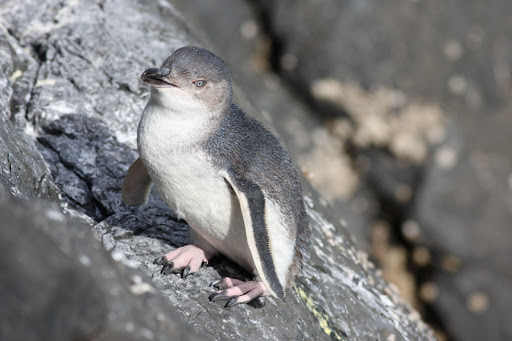
Little Penguin, also known as Fairy Penguin or Blue Penguin, is the smallest species of penguin, standing about 30-40 cm tall and weighing around 1-1.5 kg. They have a distinctive blue-grey plumage on their back and a white belly, which provides camouflage while swimming. These penguins are known for their social behavior, often forming large colonies on coastal areas where they nest in burrows or under vegetation.
FUN FACTS
- Little Penguins are known for their unique swimming style, which involves a series of rapid dives and surface glides, allowing them to catch prey efficiently
- They are also the only penguin species that undergoes a complete molt, losing all their feathers at once, which can leave them temporarily unable to swim.| Despite their small size, Little Penguins are quite vocal and can be heard making a variety of sounds, including braying and growling, especially during the breeding season when they communicate with their mates and chicks
QUICK INFO
Lifespan6-7 years in the wild, up to 20 years in captivity
Average Weight1-1.5 kg
Average Length30-40 cm
Diet TypePiscivore
Social StructureThey are generally social and can be found in groups, especially during breeding and foraging.
Activity PatternNocturnal
Breeding SeasonSpring to early summer (September to January)
- Habitat
- Little Penguins inhabit coastal regions, particularly sandy beaches and rocky shorelines where they can find suitable nesting sites. They prefer areas with access to the ocean for foraging and often nest in burrows or under dense vegetation.
- Biomes
- Marine, Coastal
- Native Range
- Little Penguins are native to the southern coastlines of Australia and New Zealand, with populations found on various islands and coastal regions.
- Continent
- Australia, Oceania
- Countries
- Australia, New Zealand
- Diet
- Little Penguins primarily feed on small fish, squid, and crustaceans, which they catch while swimming. Their foraging behavior is often influenced by the availability of prey in their coastal habitats.
- Diet Type
- Piscivore
- Favorite Food
- small fish, squid, crustaceans
- Social Structure
- They are generally social and can be found in groups, especially during breeding and foraging.
- Activity Pattern
- Nocturnal
- Group Size
- 10-100
- Territorial
- 0
 LC
LC
 LC
LC
 LC
LC

1-1.5 kg
Weight
30-40 cm
Length
- Coloration
- blue-grey on the back, white on the belly
- Lifespan
- 6-7 years in the wild, up to 20 years in captivity
- Offspring per Birth
- 1-2
- Sexual Maturity
- 2-3 years
- Breeding Season
- Spring to early summer (September to January)
LC
Least Concern
IUCN Red List Status
- Population Status
- The population of Little Penguins is currently stable, although some local populations may be threatened by habitat loss.
- Wild Population Estimate
- Approximately 1 million individuals
- Population Trend
- Stable
- Endangered
- 0
- Threats
- Main threats to Little Penguins include habitat destruction, predation by introduced species such as cats and foxes, and climate change affecting their food supply. Oil spills and pollution also pose significant risks to their populations.
- Predators
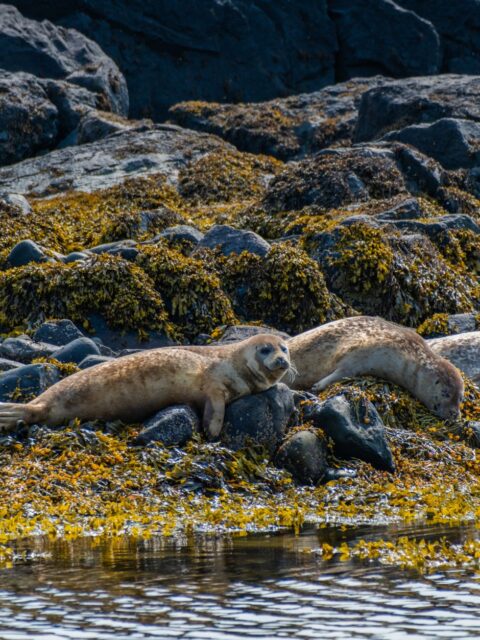
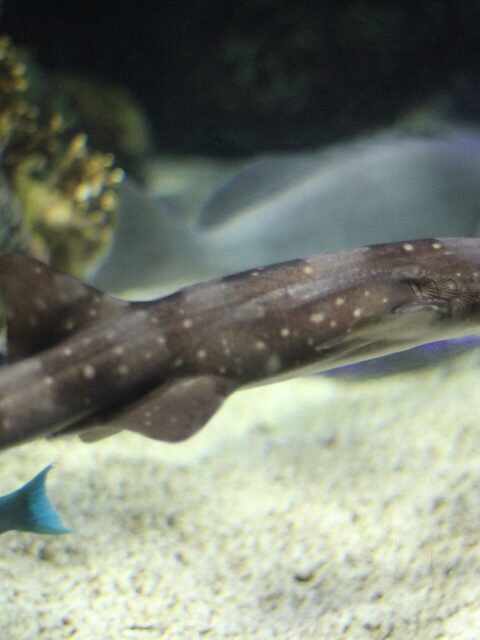
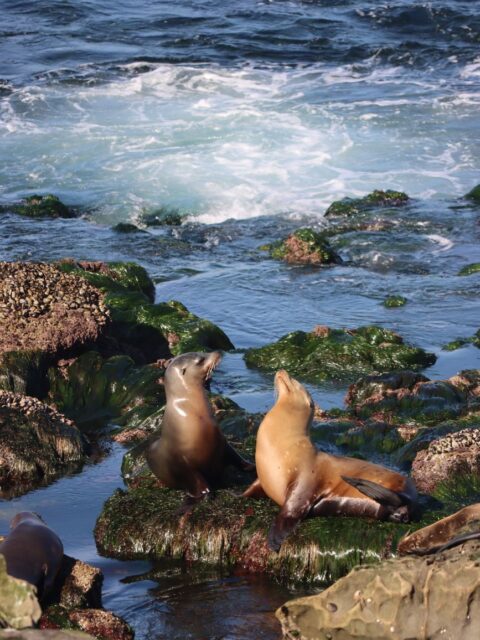
- Seals, sharks, sea lions, introduced mammals such as cats and foxes
- Defense Mechanisms
- Little Penguins use their small size and agility in the water to evade predators, and they often nest in burrows to protect themselves from terrestrial threats.
- Found in Zoos
- Common