



LONG-TAILED DUCK
Clangula hyemalis
DESCRIPTION
The Long-tailed Duck is a medium-sized sea duck known for its striking plumage and elongated tail feathers, particularly in males. During the breeding season, males exhibit a distinctive black and white pattern with a chestnut-colored head, while females are mottled brown and gray, providing excellent camouflage. These ducks are highly social and often found in flocks, displaying a range of vocalizations that contribute to their lively behavior.
FUN FACTS
- The Long-tailed Duck is known for its remarkable migratory patterns, traveling thousands of miles between breeding and wintering grounds
- They are also unique among ducks for their vocalizations, which include a variety of whistles and grunts that can be heard during courtship displays.| Long-tailed Ducks are sometimes referred to as 'Oldsquaw' due to their distinctive calls that resemble the sounds made by old men
- This name reflects their long-standing presence in the cultures of indigenous peoples in the Arctic regions
QUICK INFO
Lifespan10-15 years in the wild.
Average Weight0.7-1.2 kg
Average Length40-50 cm
Diet TypePiscivore
Social StructureThey are typically found in groups, especially during migration and wintering periods.
Activity PatternDiurnal
Breeding SeasonSpring (May-June)
- Habitat
- Long-tailed Ducks inhabit coastal waters, particularly in the Arctic and sub-Arctic regions during the breeding season. In winter, they can be found in open ocean waters and estuaries.
- Biomes
- Marine, Coastal
- Native Range
- Breeds in the Arctic regions of North America and Eurasia, migrating south to coastal waters during winter.
- Continent
- North America, Europe, Asia
- Countries
- Canada, United States, Greenland, Iceland, Norway, Russia
- Diet
- Long-tailed Ducks primarily feed on marine invertebrates, including mollusks and crustaceans, as well as fish. They dive underwater to forage, showcasing their adept swimming abilities.
- Diet Type
- Piscivore
- Favorite Food
- mollusks, crustaceans, fish
- Social Structure
- They are typically found in groups, especially during migration and wintering periods.
- Activity Pattern
- Diurnal
- Group Size
- 20-100
- Territorial
- 0
 LC
LC
 VU
VU
0.7-1.2 kg
Weight
40-50 cm
Length
- Coloration
- Males are black and white with a chestnut head, while females are brown and gray.
- Sexual Dimorphism
- Males are more brightly colored than females.
- Lifespan
- 10-15 years in the wild.
- Offspring per Birth
- 5-8
- Sexual Maturity
- 1-2 years
- Breeding Season
- Spring (May-June)
LC
Least Concern
IUCN Red List Status
- Population Status
- The population is currently stable, but habitat loss and climate change pose potential threats.
- Wild Population Estimate
- 100,000-200,000
- Population Trend
- Stable
- Endangered
- 0
- Threats
- Main threats include habitat degradation due to climate change and oil spills, which can impact their breeding and feeding grounds. Additionally, hunting in some regions poses a risk to their populations.
- Predators
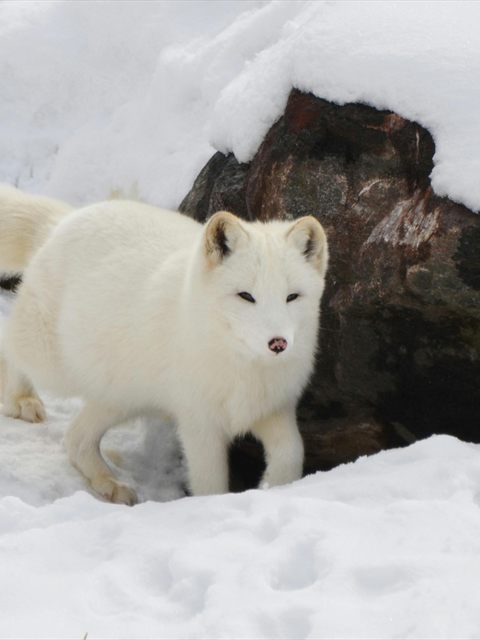
- Arctic foxes, large birds of prey, and humans (through hunting).
- Defense Mechanisms
- They rely on their ability to dive and swim quickly to evade predators.
- Found in Zoos
- Uncommon