


LOOKDOWN
DESCRIPTION
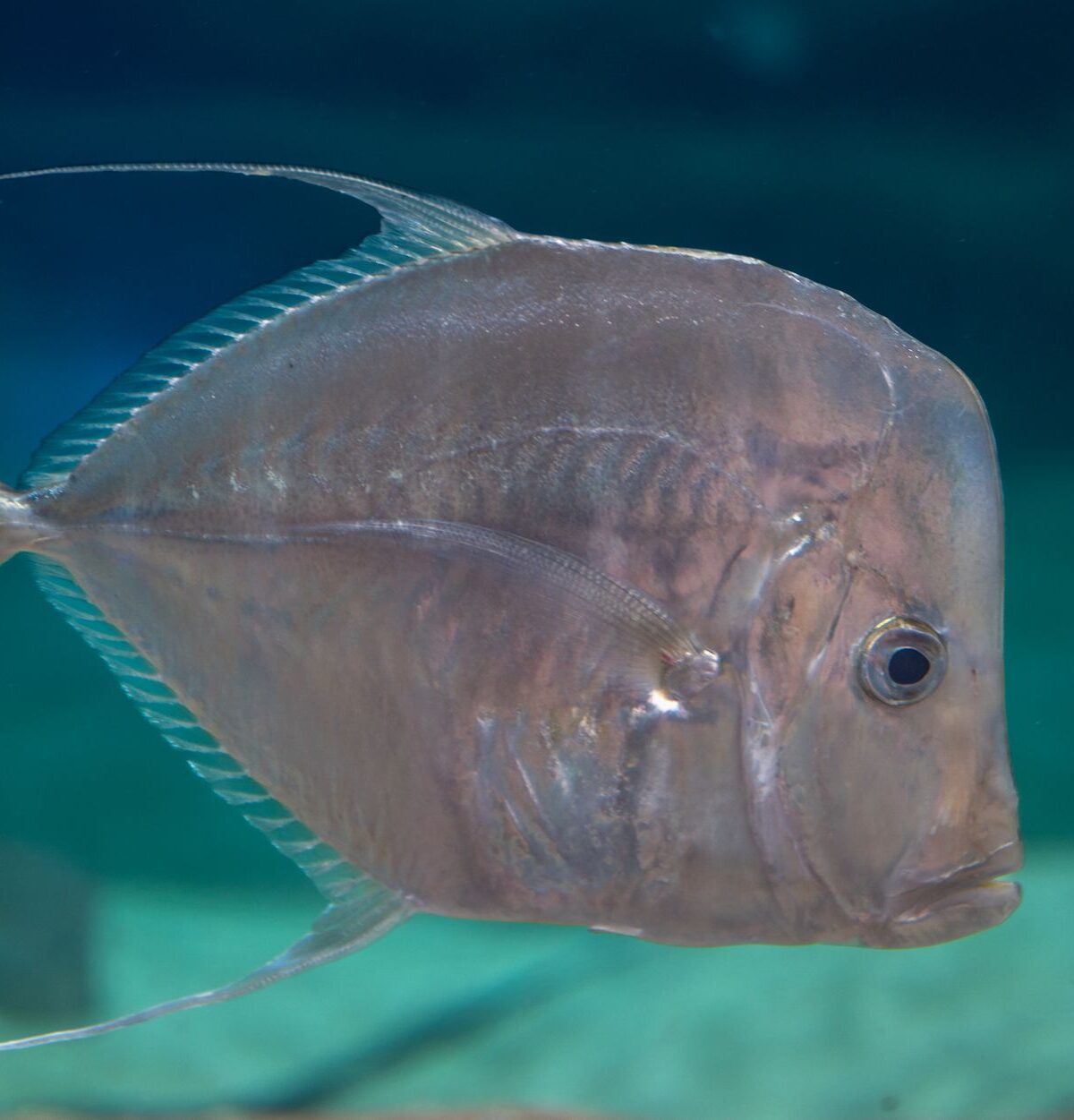
Lookdown is commonly known as Moonfish due to its distinctive, flattened body and reflective silver coloration. This species is characterized by its elongated shape and large, prominent eyes, which help it spot predators and prey in the water. Lookdowns are often found in schools, exhibiting a unique swimming behavior that allows them to dart quickly to evade threats.
FUN FACTS
- Lookdowns are known for their unique swimming style, which involves a series of quick, darting movements that allow them to evade predators effectively
- They can also leap out of the water, sometimes reaching heights of several feet, which is a behavior thought to help them escape from larger fish
- | The reflective quality of their skin not only helps them blend into their surroundings but also dazzles potential predators, making it harder for them to focus on a single fish in a school
- This adaptation is crucial for their survival in the wild
QUICK INFO
Lifespan5-10 years in the wild
Average Weight0.5-1 kg
Average Length30-50 cm
Diet TypePiscivore
Social Structuregroup — they are typically found in schools that can number in the hundreds.
Activity PatternDiurnal
Breeding SeasonSpring to early summer
- Habitat
- Lookdowns inhabit coastal waters, often found near reefs and in shallow bays. They prefer areas with plenty of cover, such as seagrass beds and rocky substrates.
- Biomes
- Coastal, Marine
- Native Range
- Lookdowns are native to the western Atlantic Ocean, ranging from the Gulf of Mexico to the Caribbean Sea and along the eastern coast of the United States.
- Continent
- North America, South America
- Countries
- United States, Mexico, Bahamas, Cuba, Venezuela
- Diet
- Lookdowns primarily feed on small fish and invertebrates, using their speed and agility to catch prey. They are known to hunt in groups, which increases their efficiency in capturing food.
- Diet Type
- Piscivore
- Favorite Food
- small fish, invertebrates
- Social Structure
- group — they are typically found in schools that can number in the hundreds.
- Activity Pattern
- Diurnal
- Group Size
- 50-200
- Territorial
- 0

0.5-1 kg
Weight
30-50 cm
Length
- Coloration
- silver with a bluish tint and a flattened body
- Lifespan
- 5-10 years in the wild
- Sexual Maturity
- 1-2 years
- Breeding Season
- Spring to early summer
LC
Least Concern
IUCN Red List Status
- Population Status
- The population of Lookdowns is currently stable, with no significant declines reported.
- Wild Population Estimate
- Not specifically estimated, but considered stable
- Population Trend
- Stable
- Endangered
- 0
- Threats
- Main threats include habitat degradation and overfishing, which can impact their populations. Pollution and climate change also pose risks to their coastal habitats.
- Predators
- Larger fish, seabirds, and marine mammals are known predators of Lookdowns.
- Defense Mechanisms
- Lookdowns use their schooling behavior and speed to evade predators, often darting in different directions to confuse attackers.
- Compatible Animals
- small reef fish, invertebrates
- Found in Zoos
- Uncommon