


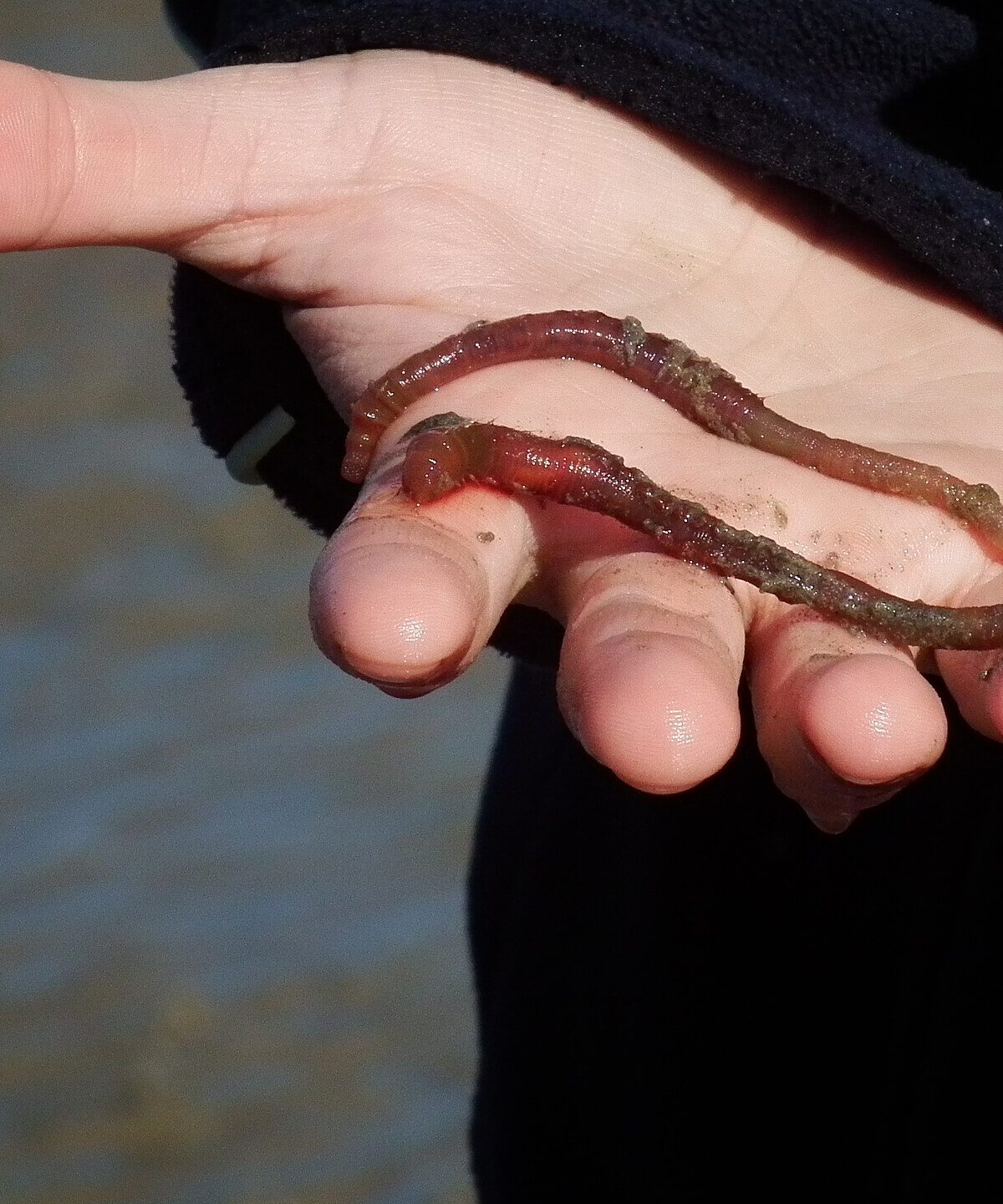
LUGWORM
Arenicola marina
DESCRIPTION
Lugworm (Arenicola marina) is commonly known as the sandworm or sea worm. This species is characterized by its elongated, segmented body that can reach lengths of up to 40 cm. They are typically found in sandy or muddy substrates along coastlines, where they play a crucial role in the ecosystem by aerating the sediment and serving as a food source for various marine animals.
FUN FACTS
- Lugworms are fascinating creatures that can filter large amounts of sediment, which helps maintain the health of their marine environments
- They are also known for their unique burrowing behavior, which creates habitats for other marine organisms
- | Interestingly, lugworms are often used as bait in fishing due to their abundance and attractiveness to various fish species
- Their role in the ecosystem extends beyond just being prey, as they contribute significantly to nutrient cycling in coastal habitats
QUICK INFO
Lifespan3-5 years in the wild
Average Weight50-100 g
Average Length20-40 cm
Diet TypeOmnivore
Social Structuresolitary, typically found alone in their burrows
Activity PatternNocturnal
Breeding SeasonSpring to early summer
- Habitat
- Lugworms inhabit intertidal and subtidal zones, often burrowing into sandy or muddy substrates. They create U-shaped burrows that can extend several feet into the sediment.
- Biomes
- Coastal, Marine
- Native Range
- Lugworms are found along the coasts of the North Atlantic, from Norway to the Mediterranean Sea.
- Continent
- Europe, North America
- Countries
- Norway, United Kingdom, France, Spain, United States, Canada
- Diet
- Lugworms primarily feed on organic matter found in the sediment, including detritus and microorganisms. They ingest sand and extract nutrients, which helps in recycling nutrients in their habitat.
- Diet Type
- Omnivore
- Favorite Food
- Detritus, microorganisms
- Social Structure
- solitary, typically found alone in their burrows
- Activity Pattern
- Nocturnal
- Group Size
- 1
- Territorial
- 0
 VU
VU
50-100 g
Weight
20-40 cm
Length
- Coloration
- Typically brown or reddish-brown with a smooth, moist appearance
- Lifespan
- 3-5 years in the wild
- Offspring per Birth
- Up to 100,000 eggs
- Sexual Maturity
- 1-2 years
- Breeding Season
- Spring to early summer
LC
Least Concern
IUCN Red List Status
- Population Status
- Lugworm populations are generally stable, but they can be affected by pollution and habitat destruction.
- Wild Population Estimate
- Unknown
- Population Trend
- Stable
- Endangered
- 0
- Threats
- Main threats include habitat loss due to coastal development and pollution from agricultural runoff. These factors can lead to declines in their populations and affect the overall health of marine ecosystems.
- Predators
- Various species of fish, birds, and crabs prey on lugworms. They are an important food source for many shorebirds and fish species.
- Defense Mechanisms
- Lugworms can quickly retreat into their burrows to avoid predators, using their ability to burrow rapidly into the sediment.
- Found in Zoos
- Rare