


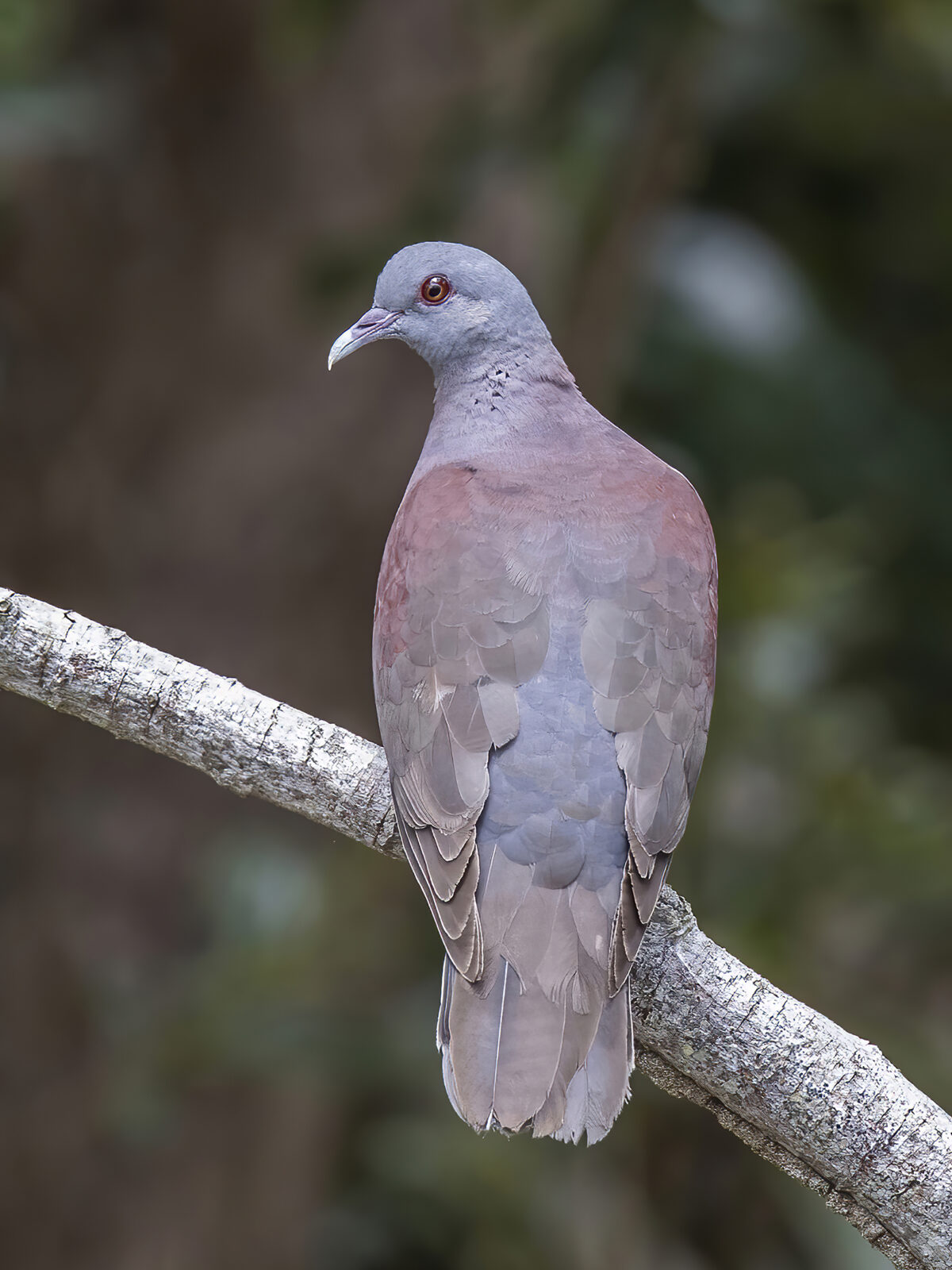
MADAGASCAR TURTLEDOVE
Streptopelia picturata
DESCRIPTION
Madagascar Turtledove (Streptopelia picturata) is also known as the Madagascar Dove, a medium-sized dove characterized by its soft grayish-brown plumage and distinctive black crescent on the side of its neck. This species is often found in pairs or small groups, exhibiting a gentle and cooing vocalization that is typical of doves. Inhabiting a variety of environments, they are commonly seen in forests, woodlands, and even urban areas, where they adapt well to human presence.
FUN FACTS
- Madagascar Turtledoves are known for their unique cooing calls, which can be heard throughout their habitat, especially during the breeding season
- They play a significant role in their ecosystem by helping to disperse seeds through their diet, contributing to forest regeneration.|These doves are often seen bathing in shallow water, which is not only a way to keep their feathers clean but also a social activity that strengthens pair bonds and group cohesion
QUICK INFO
Lifespanup to 10 years in the wild
Average Weight150-200 g
Average Length28-30 cm
Diet TypeHerbivore
Social Structurepair or small group, often seen in pairs or small flocks
Activity PatternDiurnal
Breeding SeasonYear-round, peaking during the rainy season
- Habitat
- This species thrives in a range of habitats, including tropical forests, scrublands, and urban areas. They prefer areas with ample vegetation for foraging and nesting.
- Biomes
- Tropical Rainforest, Savanna, Urban
- Native Range
- Endemic to Madagascar, found throughout the island.
- Continent
- Africa
- Countries
- Madagascar
- Diet
- Madagascar Turtledoves primarily feed on seeds, fruits, and grains, foraging on the ground or in low vegetation. They are known to consume a variety of plant materials, which reflects their adaptability to different habitats.
- Diet Type
- Herbivore
- Favorite Food
- seeds, fruits, grains
- Social Structure
- pair or small group, often seen in pairs or small flocks
- Activity Pattern
- Diurnal
- Group Size
- 2-10
- Territorial
- 0

 LC
LC
 LC
LC
 VU
VU
150-200 g
Weight
28-30 cm
Length
- Coloration
- soft grayish-brown with a black crescent on the neck
- Lifespan
- up to 10 years in the wild
- Offspring per Birth
- 1-2
- Sexual Maturity
- 6-12 months
- Breeding Season
- Year-round, peaking during the rainy season
LC
Least Concern
IUCN Red List Status
- Population Status
- The population is currently stable, but habitat loss poses a potential threat.
- Wild Population Estimate
- unknown
- Population Trend
- Stable
- Endangered
- 0
- Threats
- Main threats include habitat destruction due to deforestation and urbanization. Additionally, hunting and trapping for food can impact local populations.
- Predators
- cats, rats, snakes, birds of prey
- Defense Mechanisms
- They rely on their ability to fly quickly and evade predators, often taking refuge in dense vegetation.
- Found in Zoos
- Uncommon