


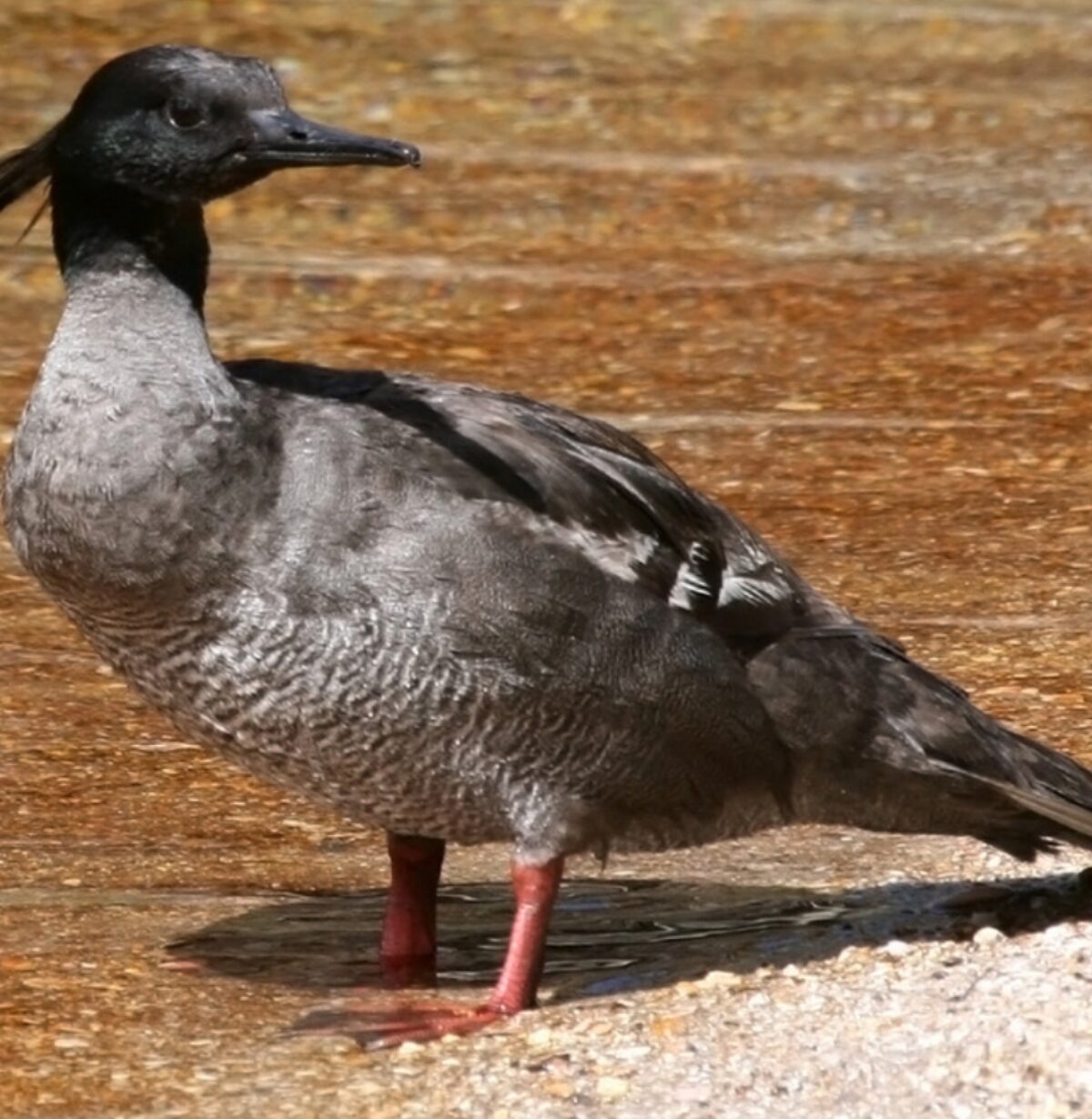
MAGELLANIC DIVING DUCK
Mergus octosetaceus
DESCRIPTION
Magellanic Diving Duck (Mergus octosetaceus) is a unique species of diving duck native to South America. It is characterized by its robust body, short neck, and distinctive plumage, which includes a striking combination of dark and light feathers. This species is known for its excellent diving abilities, often foraging underwater for food in freshwater habitats.
FUN FACTS
- Magellanic Diving Ducks are remarkable divers, capable of reaching depths of up to 10 meters in search of food
- Their unique foraging behavior allows them to catch prey that many other waterfowl cannot access
- | These ducks are also known for their distinctive courtship displays, which include elaborate swimming patterns and vocalizations to attract mates
- Their social interactions during breeding season can be quite fascinating to observe
QUICK INFO
Lifespan10-15 years in the wild
Average Weight1-1.5 kg
Average Length50-60 cm
Diet TypePiscivore
Social StructureTypically solitary or in pairs, they may form small groups during the non-breeding season.
Activity PatternDiurnal
Breeding SeasonSpring to early summer
- Habitat
- This duck inhabits freshwater lakes, rivers, and wetlands, often favoring areas with abundant vegetation. It prefers shallow waters where it can easily dive for food.
- Biomes
- Freshwater, Wetlands
- Native Range
- The native range of the Magellanic Diving Duck includes parts of southern South America, particularly in Argentina and Chile.
- Continent
- South America
- Countries
- Argentina, Chile
- Diet
- The Magellanic Diving Duck primarily feeds on aquatic invertebrates and small fish. It uses its diving skills to catch prey beneath the water's surface.
- Diet Type
- Piscivore
- Favorite Food
- aquatic invertebrates, small fish
- Social Structure
- Typically solitary or in pairs, they may form small groups during the non-breeding season.
- Activity Pattern
- Diurnal
- Group Size
- 1-5
- Territorial
- 0
1-1.5 kg
Weight
50-60 cm
Length
- Coloration
- The plumage is predominantly dark brown with lighter mottling, providing excellent camouflage in their natural habitat.
- Sexual Dimorphism
- Males and females are similar in appearance, but males tend to be slightly larger.
- Lifespan
- 10-15 years in the wild
- Offspring per Birth
- 5-10
- Sexual Maturity
- 1-2 years
- Breeding Season
- Spring to early summer
LC
Least Concern
IUCN Red List Status
- Population Status
- The population of Magellanic Diving Ducks is currently stable, but specific numbers are not well-documented.
- Wild Population Estimate
- Unknown
- Population Trend
- Stable
- Endangered
- 0
- Threats
- Main threats include habitat loss due to wetland drainage and pollution. Additionally, hunting in some areas poses a risk to their populations.
- Predators
- Potential predators include larger birds of prey and mammals that inhabit their wetland environments.
- Defense Mechanisms
- They rely on their excellent diving skills to evade predators, often submerging quickly when threatened.
- Found in Zoos
- Rare