


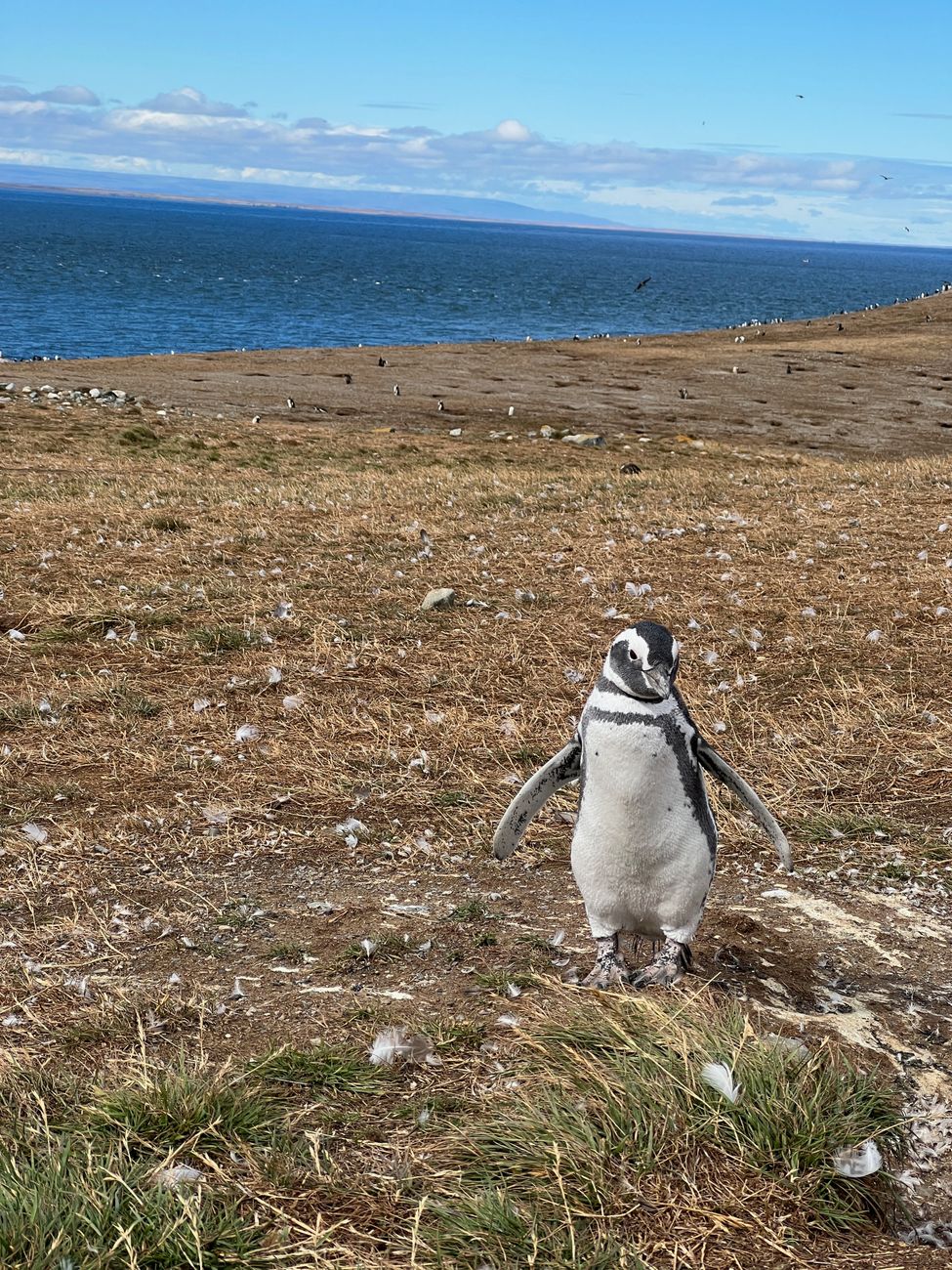
MAGELLANIC PENGUIN
Spheniscus magellanicus
DESCRIPTION
Magellanic Penguin (Spheniscus magellanicus) is commonly known as the Jackass Penguin due to its distinctive braying call that resembles a donkey. This medium-sized penguin features a black back and white belly, with a characteristic band of black feathers that runs across its chest. They are social birds, often found in large colonies, and are known for their playful behavior both in and out of the water.
FUN FACTS
- Magellanic Penguins are known for their unique courtship rituals, which include mutual preening and vocalizations that strengthen pair bonds
- They are also capable of swimming at speeds of up to 15 miles per hour, making them agile hunters in the water
QUICK INFO
Lifespan15-20 years in the wild, up to 30 in captivity
Average Weight3-6 kg
Average Length60-70 cm
Diet TypePiscivore
Social Structuregroup — they are highly social and often found in large colonies, especially during breeding season.
Activity PatternDiurnal
Breeding SeasonSpring (September-November)
- Habitat
- These penguins inhabit coastal regions, particularly in areas with rocky shorelines and sandy beaches. They often nest in burrows or under vegetation to protect their eggs from predators.
- Biomes
- Coastal, Marine
- Native Range
- Magellanic Penguins are native to the southern coasts of South America, particularly in Argentina, Chile, and the Falkland Islands.
- Continent
- South America
- Countries
- Argentina, Chile, Falkland Islands
- Diet
- Magellanic Penguins primarily feed on small fish and crustaceans, which they catch while swimming. Their foraging behavior includes diving to depths of up to 100 meters in search of food.
- Diet Type
- Piscivore
- Favorite Food
- small fish, crustaceans
- Social Structure
- group — they are highly social and often found in large colonies, especially during breeding season.
- Activity Pattern
- Diurnal
- Group Size
- 100-1,000
- Territorial
- 0
 LC
LC

 VU
VU
 LC
LC
3-6 kg
Weight
60-70 cm
Length
- Coloration
- black back, white belly, with a distinctive black band across the chest
- Sexual Dimorphism
- males are generally larger than females
- Lifespan
- 15-20 years in the wild, up to 30 in captivity
- Offspring per Birth
- 1-2
- Sexual Maturity
- 3-4 years
- Breeding Season
- Spring (September-November)
LC
Least Concern
IUCN Red List Status
- Population Status
- The population of Magellanic Penguins is currently stable, although they face various threats.
- Wild Population Estimate
- 1.5 million
- Population Trend
- Stable
- Endangered
- 0
- Threats
- Main threats to Magellanic Penguins include habitat destruction, oil spills, and climate change, which affect their food supply. Additionally, predation by introduced species such as cats and rats poses a significant risk to their nesting success.
- Conservation Program
- Various conservation programs are in place to protect their habitats and monitor populations.
- Predators
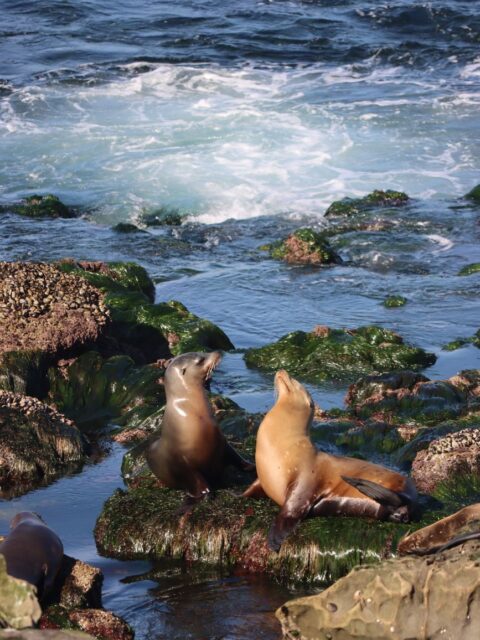
- sea lions, leopard seals, birds of prey, introduced species like cats and rats
- Defense Mechanisms
- They use their agility in water to evade predators and often nest in burrows to protect their young.
- Found in Zoos
- Common