


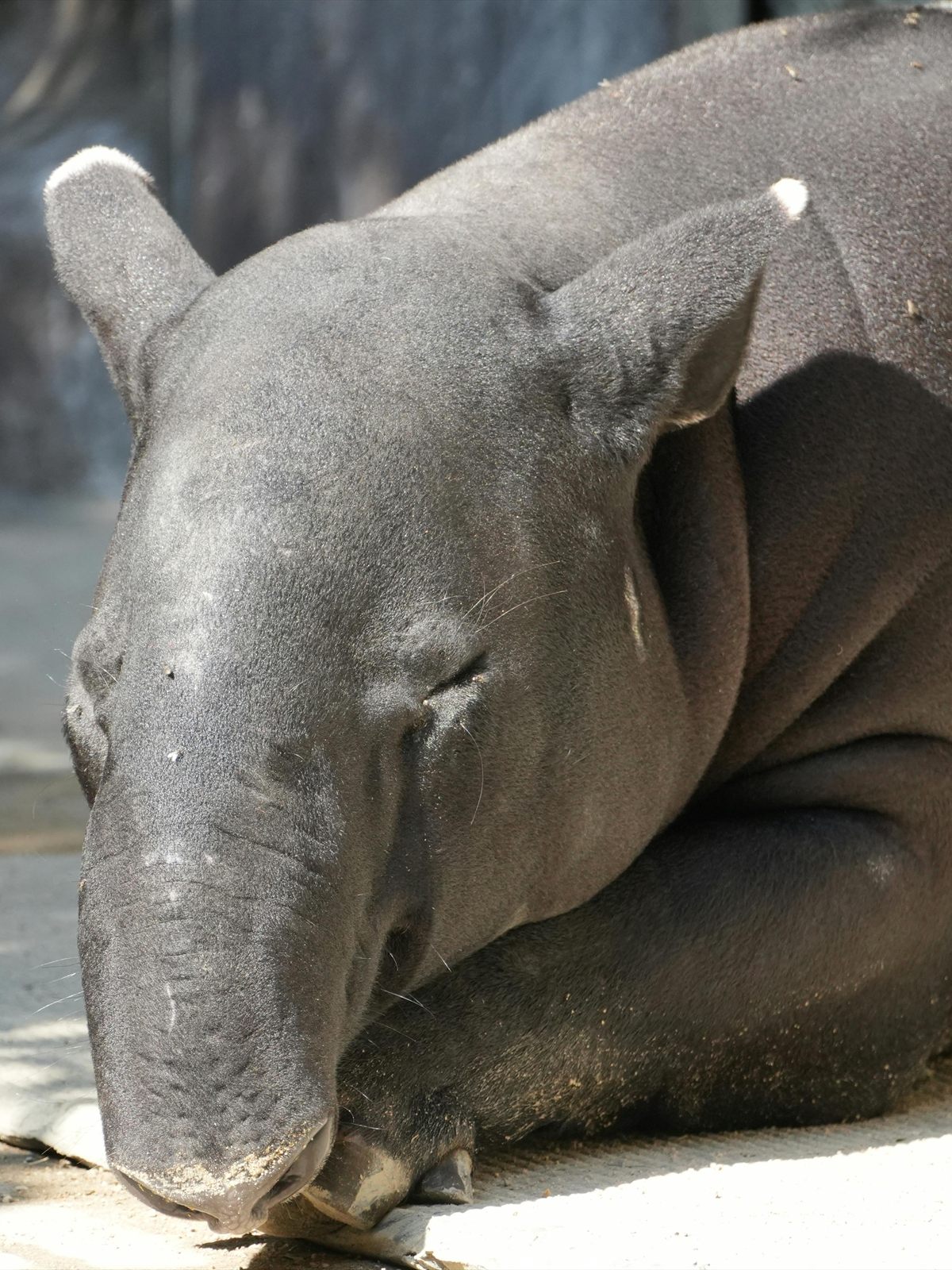
MALAYAN TAPIR
Tapirus indicus
DESCRIPTION
Also called the Asian Tapir, the Malayan Tapir is a large herbivorous mammal characterized by its distinctive black and white coloration, with a large, rounded body and a long, flexible snout. They are primarily nocturnal and are known for their solitary behavior, although they may occasionally be seen in pairs. Inhabiting dense tropical forests, they play a crucial role in their ecosystem by aiding in seed dispersal through their diet of fruits and vegetation.
FUN FACTS
- Malayan Tapirs are the largest of the tapir species and can weigh up to 300 kg, making them quite impressive in size
- They have a unique way of swimming, using their snouts as snorkels while they navigate through water, which is essential for their survival in their natural habitats.|Despite their large size, Malayan Tapirs are surprisingly agile and can run quickly when threatened
- Their distinctive coloration helps them blend into the dappled light of the forest, providing camouflage from predators
QUICK INFO
Lifespan30-40 years in captivity, 20-30 years in the wild
Average Weight150-300 kg
Average Length1.8-2.5 m
Diet TypeHerbivore
Social StructureSolitary, with occasional pairs during mating season.
Activity PatternNocturnal
Breeding SeasonYear-round, with peaks during wet seasons.
- Habitat
- Malayan Tapirs thrive in tropical rainforests and swampy areas, where they can find ample vegetation and water sources. They are often found near rivers and streams, which provide both food and hydration.
- Biomes
- Tropical Rainforest, Swamp
- Native Range
- The native range of the Malayan Tapir includes the Malay Peninsula, Sumatra, and Borneo.
- Continent
- Asia
- Countries
- Malaysia, Indonesia, Thailand, Myanmar
- Diet
- Malayan Tapirs primarily consume leaves, fruits, and aquatic plants, showcasing their preference for a herbivorous diet. They are known to forage in the underbrush and along riverbanks.
- Diet Type
- Herbivore
- Favorite Food
- Fruits, leaves, aquatic plants
- Social Structure
- Solitary, with occasional pairs during mating season.
- Activity Pattern
- Nocturnal
- Group Size
- 1-2
- Territorial
- 1
 EN
EN
 VU
VU
150-300 kg
Weight
1.8-2.5 m
Length
1.0-1.2 m at shoulder
Height (Shoulder)
- Coloration
- Black with white markings on the face, legs, and belly.
- Lifespan
- 30-40 years in captivity, 20-30 years in the wild
- Gestation Period
- 13 months
- Offspring per Birth
- 1
- Sexual Maturity
- 3-4 years
- Breeding Season
- Year-round, with peaks during wet seasons.
EN
Endangered
IUCN Red List Status
- Population Status
- The Malayan Tapir population is currently declining due to habitat loss and hunting.
- Wild Population Estimate
- 2,500-5,000
- Population Trend
- Decreasing
- Endangered
- 1
- Threats
- The main threats to the Malayan Tapir include habitat destruction due to deforestation and agricultural expansion, as well as poaching for their meat and skin. These factors have significantly impacted their population numbers.
- Conservation Program
- Various conservation programs are in place, including habitat protection and anti-poaching initiatives.
- Predators
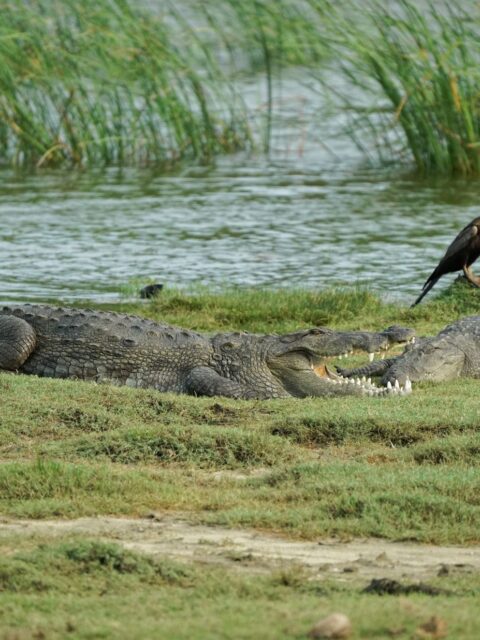
- Tigers, crocodiles, and large snakes are known predators of the Malayan Tapir, particularly when they are young or vulnerable.
- Defense Mechanisms
- Malayan Tapirs rely on their size and strength for defense, and they can also use their agility to escape threats.
- Compatible Animals
- Asian elephants, various species of deer, and other large herbivores in managed habitats.
- Found in Zoos
- Uncommon