


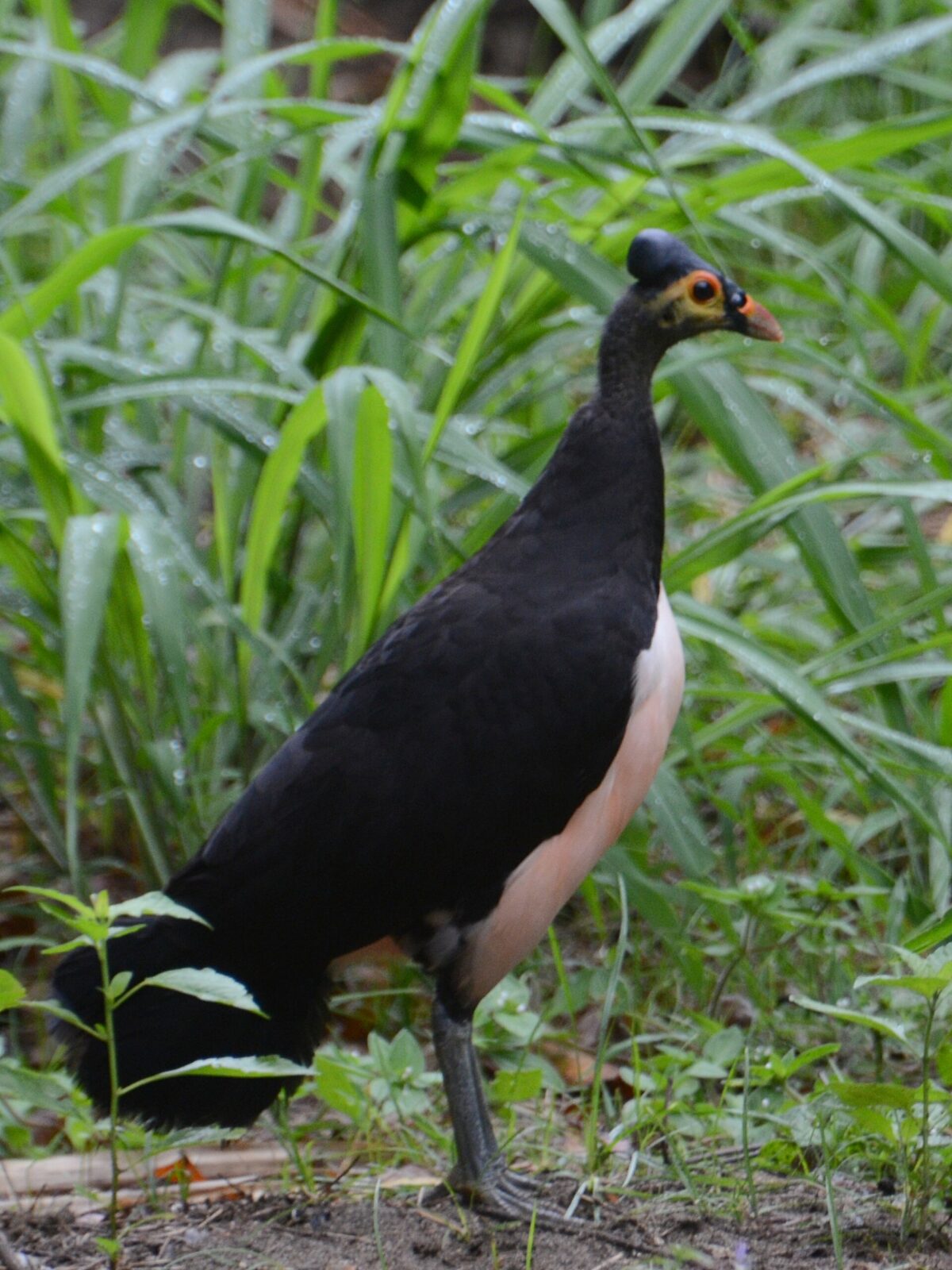
MALEO
Macrocephalon maleo
DESCRIPTION
Maleo (Macrocephalon maleo) is commonly known as the Indonesian Maleo, a unique bird native to the islands of Sulawesi and nearby smaller islands. This large, ground-dwelling bird is notable for its striking appearance, featuring a distinctive black plumage with a bright yellow-orange crown and facial markings. Maleos are known for their unique nesting behavior, where they bury their eggs in volcanic sand, utilizing the heat from the earth to incubate them, which is a rare reproductive strategy among birds.
FUN FACTS
- Maleos are unique among birds for their nesting behavior, as they bury their eggs in warm volcanic sand, which helps to incubate them naturally
- This method of reproduction is not only fascinating but also highlights the Maleo's adaptation to its environment
- | The Maleo is a culturally significant bird in Indonesia, often featured in local folklore and traditions
- Its unique nesting habits and striking appearance have made it a symbol of the rich biodiversity found in the region
QUICK INFO
Lifespanup to 20 years in the wild
Average Weight1.5-2.5 kg
Average Length50-60 cm
Diet TypeOmnivore
Social Structuresolitary or pair, often seen alone or in mated pairs during the breeding season
Activity PatternDiurnal
Breeding SeasonYear-round, with peaks during the rainy season
- Habitat
- Maleos inhabit tropical forests, particularly in areas with volcanic soil where they can find suitable nesting sites. They prefer lowland forests and are often found near beaches and coastal areas.
- Biomes
- Tropical Rainforest, Coastal
- Native Range
- The native range of the Maleo includes the island of Sulawesi and several smaller islands in Indonesia.
- Continent
- Asia
- Countries
- Indonesia
- Diet
- Maleos primarily feed on a diet of fruits, seeds, and invertebrates. They are particularly fond of fallen fruits and utilize their strong beaks to dig for food.
- Diet Type
- Omnivore
- Favorite Food
- fruits, seeds, invertebrates
- Social Structure
- solitary or pair, often seen alone or in mated pairs during the breeding season
- Activity Pattern
- Diurnal
- Group Size
- 1-2
- Territorial
- 0
 LC
LC
 LC
LC
1.5-2.5 kg
Weight
50-60 cm
Length
- Coloration
- black plumage with a bright yellow-orange crown and facial markings
- Lifespan
- up to 20 years in the wild
- Offspring per Birth
- 1-3
- Sexual Maturity
- 2-3 years
- Breeding Season
- Year-round, with peaks during the rainy season
EN
Endangered
IUCN Red List Status
- Population Status
- The Maleo population is currently declining due to habitat loss and hunting pressures.
- Wild Population Estimate
- 5,000-10,000
- Population Trend
- Decreasing
- Endangered
- 1
- Threats
- Main threats to the Maleo include habitat destruction due to deforestation and agricultural expansion, as well as hunting for their eggs and meat. Conservation efforts are needed to protect their nesting sites and reduce hunting pressures.
- Conservation Program
- Conservation programs are in place to protect nesting sites and raise awareness about the species.
- Predators
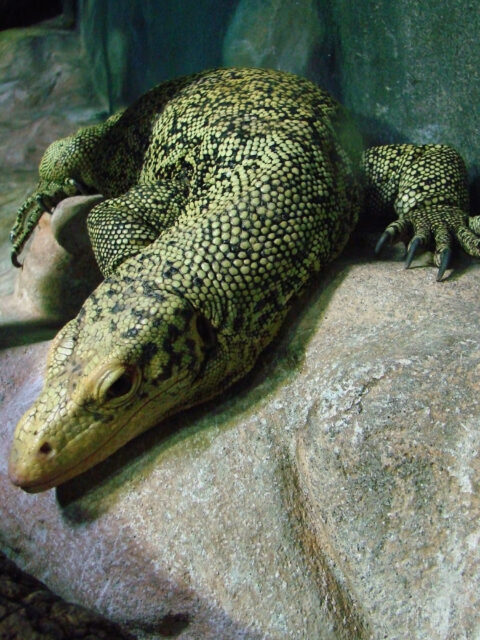
- Monitor lizards, feral pigs, and various birds of prey are known to prey on Maleo eggs and chicks.
- Defense Mechanisms
- Maleos rely on their ability to camouflage with their surroundings and their nesting behavior to protect their eggs.
- Found in Zoos
- Uncommon