


MALI SPINY-TAILED LIZARD
Uromastyx dispar
DESCRIPTION
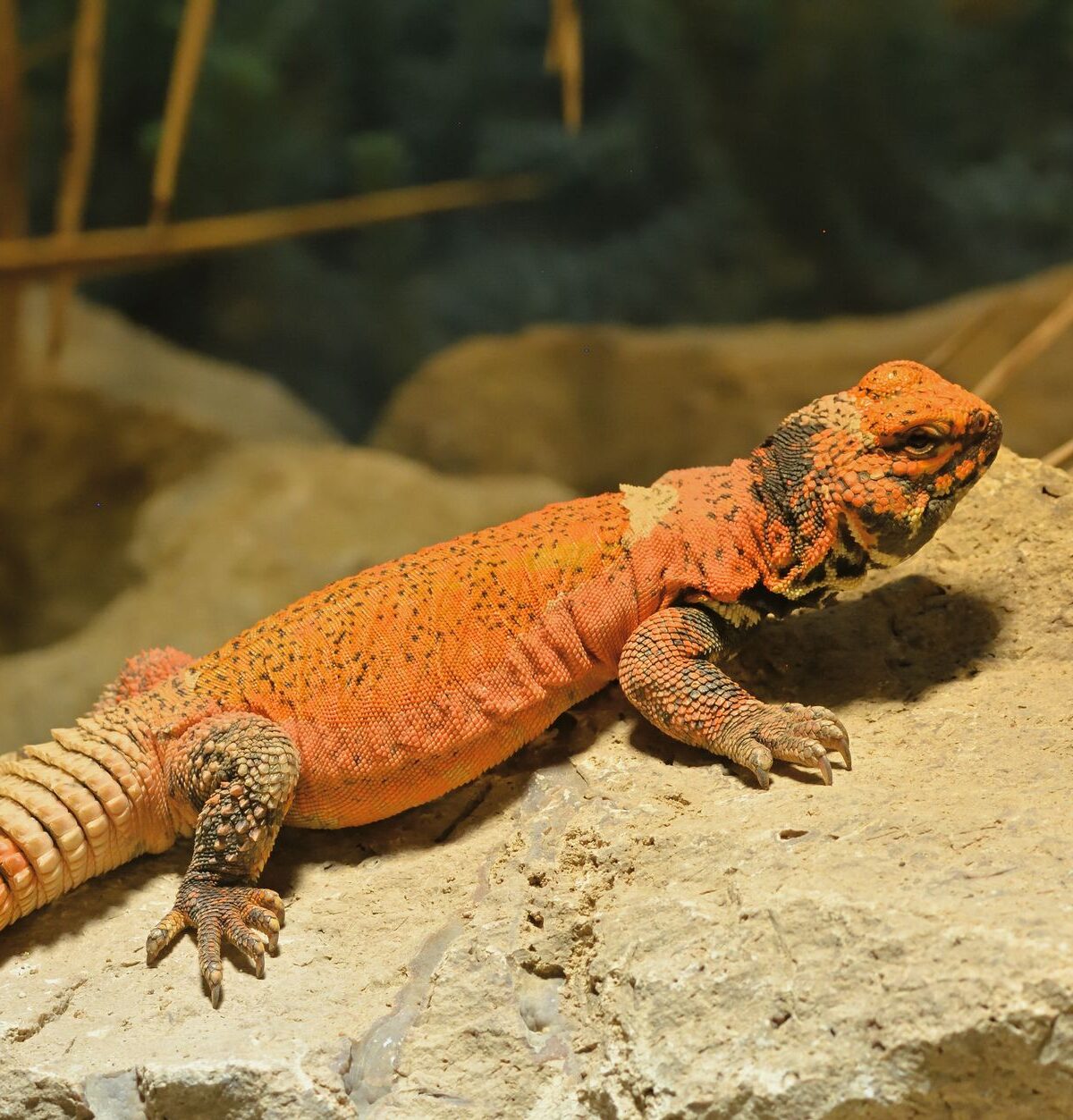
Mali Spiny-Tailed Lizard (Uromastyx dispar) is a robust lizard known for its distinctive spiny tail and vibrant coloration, which can range from yellow to greenish hues. This species is primarily found in arid regions, where it exhibits a preference for rocky outcrops and sandy areas. Behaviorally, it is diurnal and often basks in the sun to regulate its body temperature, while also being known for its burrowing habits to escape the heat and predators.
FUN FACTS
- Mali Spiny-Tailed Lizards are known for their unique ability to tolerate high temperatures, allowing them to thrive in harsh desert environments
- They also have a fascinating social structure, where males establish territories and engage in displays of strength to attract females, showcasing their vibrant colors and spiny tails
QUICK INFO
Lifespan10-15 years in the wild, up to 20 years in captivi
Average Weight0.5-1 kg
Average Length30-50 cm
Diet TypeHerbivore
Social Structuresolitary, with occasional pairs during breeding
Activity PatternDiurnal
Breeding SeasonSpring (April-June)
- Habitat
- This lizard inhabits dry, rocky areas and sandy deserts, where it can find shelter and food. It often prefers habitats with sparse vegetation that provide both sun exposure and hiding spots.
- Biomes
- Desert, Semi-arid
- Native Range
- The native range of the Mali Spiny-Tailed Lizard includes parts of West Africa, particularly in Mali and surrounding regions.
- Continent
- Africa
- Countries
- Mali, Niger, Burkina Faso
- Diet
- Mali Spiny-Tailed Lizard primarily feeds on a variety of plant materials, including leaves, flowers, and fruits. It has adapted to a herbivorous diet, which is essential for its survival in its natural habitat.
- Diet Type
- Herbivore
- Favorite Food
- leaves, flowers, fruits
- Social Structure
- solitary, with occasional pairs during breeding
- Activity Pattern
- Diurnal
- Group Size
- 1-2
- Territorial
- 1
 VU
VU
 LC
LC
0.5-1 kg
Weight
30-50 cm
Length
- Coloration
- Typically features a mix of yellow and green with darker spots or bands.
- Sexual Dimorphism
- Males tend to be larger and more brightly colored than females.
- Lifespan
- 10-15 years in the wild, up to 20 years in captivi
- Gestation Period
- 60-90 days
- Offspring per Birth
- 5-15
- Sexual Maturity
- 2-3 years
- Breeding Season
- Spring (April-June)
LC
Least Concern
IUCN Red List Status
- Population Status
- The population is currently stable, but habitat loss poses a potential threat.
- Wild Population Estimate
- Unknown
- Population Trend
- Stable
- Endangered
- 0
- Threats
- Main threats include habitat destruction due to agriculture and urbanization. Additionally, collection for the pet trade can impact local populations.
- Predators
- Birds of prey, snakes, and larger mammals may prey on Mali Spiny-Tailed Lizards.
- Defense Mechanisms
- When threatened, they can burrow quickly into the ground or use their spiny tails to deter predators.
- Found in Zoos
- Uncommon