


MALLARD
Anas platyrhynchos
DESCRIPTION
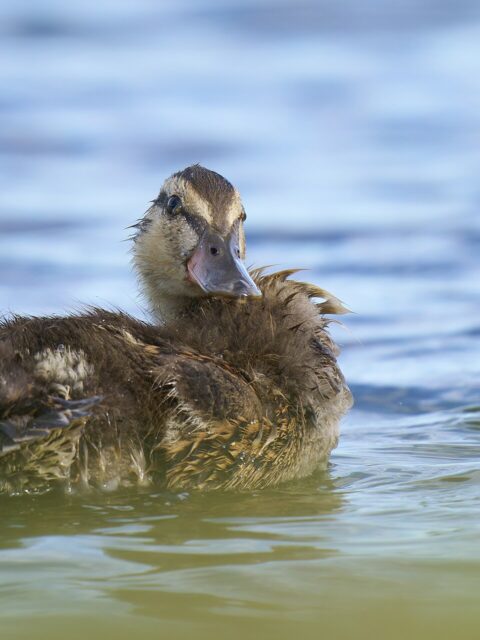
The Mallard (Anas platyrhynchos) is a medium-sized waterfowl known for its distinctive coloring and adaptability. Males are characterized by their glossy green heads, white neck rings, and chestnut-brown breasts, while females are mottled brown with an orange bill. They are highly social birds, often seen in groups, and are known for their quacking calls and courtship displays during the breeding season.
FUN FACTS
- Mallards are highly adaptable and can thrive in urban environments, often seen in parks and city ponds
- They are also known for their migratory behavior, traveling long distances between breeding and wintering grounds, sometimes covering thousands of miles.| The Mallard is the ancestor of most domestic duck breeds, having been domesticated for thousands of years
- Their adaptability and varied diet have made them a popular choice for farming, leading to a wide range of domestic varieties
QUICK INFO
Lifespan5-10 years in the wild, up to 20 years in captivit
Average Weight0.9-1.2 kg
Average Length50-65 cm
Diet TypeOmnivore
Social StructureThey are typically found in pairs or groups, especially during migration and wintering.
Activity PatternDiurnal
Breeding SeasonSpring (March-May)
- Habitat
- Mallards inhabit a wide range of wetland environments, including lakes, rivers, marshes, and ponds. They prefer areas with abundant vegetation for nesting and foraging.
- Biomes
- Wetlands, Temperate Forests
- Native Range
- Mallards are native to North America, Europe, and Asia, with populations found in various habitats across these regions.
- Continent
- North America, Europe, Asia
- Countries
- United States, Canada, United Kingdom, France, Germany, Russia
- Diet
- Mallards are omnivorous and have a varied diet that includes aquatic plants, seeds, insects, and small fish. They often forage in shallow waters, dabbling to reach food below the surface.
- Diet Type
- Omnivore
- Favorite Food
- Aquatic plants, seeds, insects
- Social Structure
- They are typically found in pairs or groups, especially during migration and wintering.
- Activity Pattern
- Diurnal
- Group Size
- 5-50
- Territorial
- 0

 LC
LC
 VU
VU
 LC
LC
0.9-1.2 kg
Weight
50-65 cm
Length
- Coloration
- Males have a green head, white neck ring, and chestnut breast; females are brown and mottled.
- Sexual Dimorphism
- Males and females have distinct coloration, with males being more brightly colored.
- Lifespan
- 5-10 years in the wild, up to 20 years in captivit
- Offspring per Birth
- 8-12
- Sexual Maturity
- 1 year
- Breeding Season
- Spring (March-May)
LC
Least Concern
IUCN Red List Status
- Population Status
- The Mallard is one of the most abundant and widely distributed duck species in the world.
- Wild Population Estimate
- 10 million
- Population Trend
- Stable
- Endangered
- 0
- Threats
- Main threats include habitat loss due to wetland drainage and pollution, as well as hunting pressures. Climate change also poses a risk to their breeding habitats.
- Predators
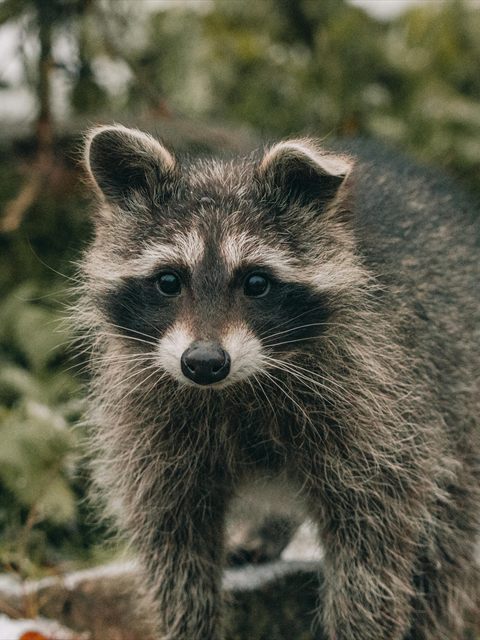
- Foxes, raccoons, birds of prey, and large fish are known predators of Mallard eggs and ducklings.
- Defense Mechanisms
- Mallards use their ability to fly quickly and their camouflage to evade predators.
- Compatible Animals
- Other duck species, geese, swans
- Found in Zoos
- Common