


MALLEE RINGNECK
Barnardius zonarius
DESCRIPTION
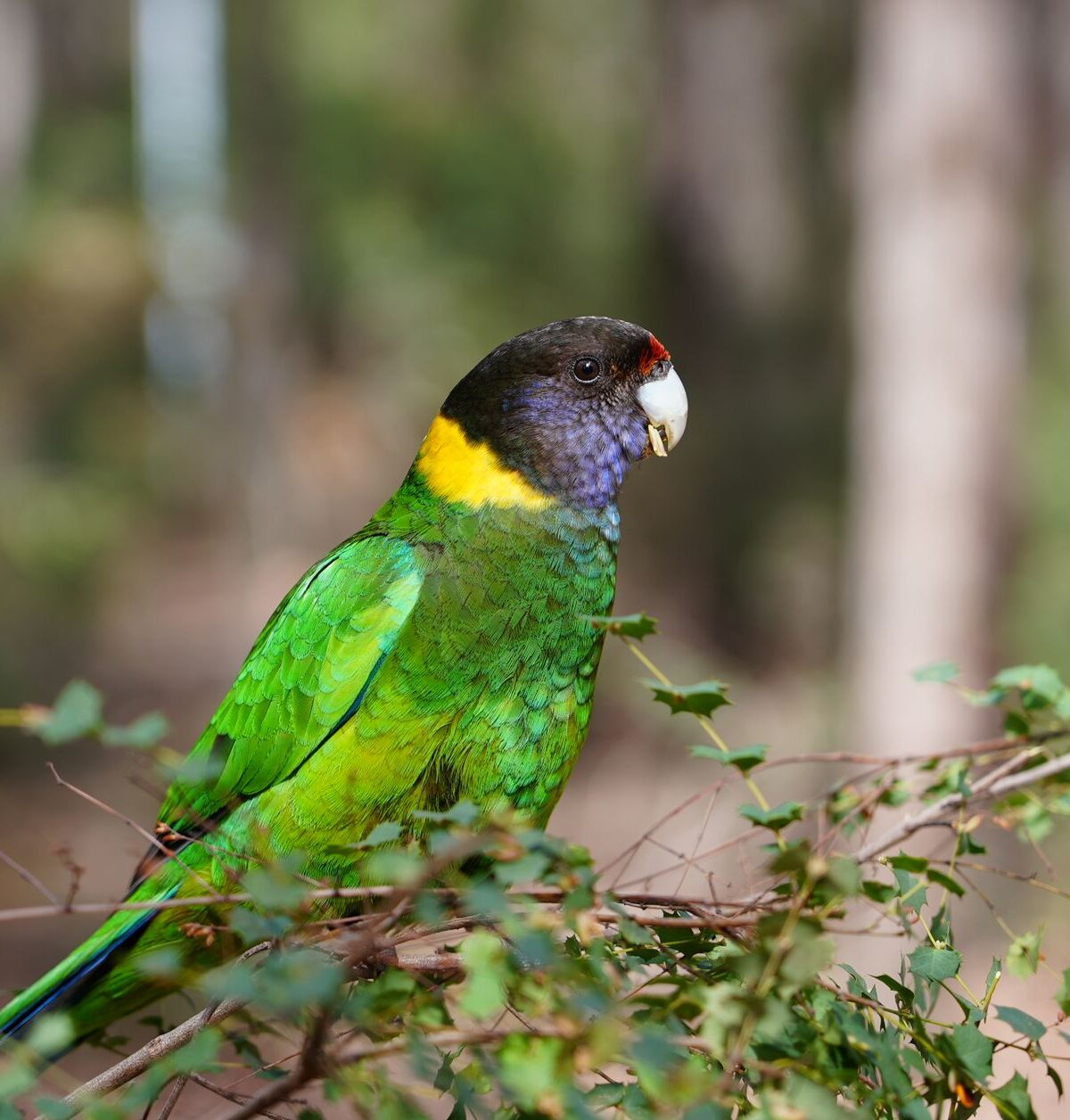
Mallee Ringneck (Barnardius zonarius) is a medium-sized parrot known for its vibrant plumage and distinctive ring around its neck. This species exhibits a variety of color morphs, including green, blue, and yellow, which can vary significantly depending on the subspecies. Mallee Ringnecks are social birds, often found in pairs or small groups, and are known for their playful behavior and vocalizations.
FUN FACTS
- Mallee Ringnecks are known for their intelligence and can learn to mimic human speech and sounds, making them popular pets
- They also have a unique social structure, often forming strong bonds with their mates and engaging in playful behaviors that include chasing and playing with each other
QUICK INFO
Lifespan15-20 years in the wild, up to 30 years in captivi
Average Weight120-150 g
Average Length25-30 cm
Diet TypeHerbivore
Social StructureThey are often found in pairs or small groups, showcasing a social structure that promotes interaction and bonding.
Activity PatternDiurnal
Breeding SeasonSpring (September-November)
- Habitat
- These parrots inhabit open woodlands, mallee scrub, and areas with scattered trees. They prefer habitats that provide ample food sources and nesting sites.
- Biomes
- Temperate Forest, Grassland
- Native Range
- Mallee Ringnecks are native to southern Australia, particularly in the regions of Western Australia, South Australia, and Victoria.
- Continent
- Australia
- Countries
- Australia
- Diet
- Mallee Ringnecks primarily feed on seeds, fruits, and nuts, foraging in trees and on the ground. They are particularly fond of the seeds from native Australian plants.
- Diet Type
- Herbivore
- Favorite Food
- seeds, fruits, nuts
- Social Structure
- They are often found in pairs or small groups, showcasing a social structure that promotes interaction and bonding.
- Activity Pattern
- Diurnal
- Group Size
- 2-10
- Territorial
- 0
 LC
LC
120-150 g
Weight
25-30 cm
Length
- Coloration
- Predominantly green with a distinctive yellow and blue coloration on the wings and a yellow ring around the neck.
- Sexual Dimorphism
- Males and females are similar in appearance, but males tend to have slightly brighter coloration.
- Lifespan
- 15-20 years in the wild, up to 30 years in captivi
- Offspring per Birth
- 3-6
- Sexual Maturity
- 1-2 years
- Breeding Season
- Spring (September-November)
LC
Least Concern
IUCN Red List Status
- Population Status
- The population of Mallee Ringnecks is currently stable, with no immediate threats to their survival.
- Wild Population Estimate
- 50,000-100,000
- Population Trend
- Stable
- Endangered
- 0
- Threats
- Main threats include habitat loss due to land clearing and agriculture. However, they are adaptable and can thrive in modified habitats.
- Predators
- Natural predators include birds of prey such as hawks and eagles, as well as feral cats.
- Defense Mechanisms
- Mallee Ringnecks use their agility and flight to escape predators, often taking refuge in dense foliage.
- Compatible Animals
- Other parrot species, finches, canaries
- Found in Zoos
- Common