


MANDARIN DUCK
Aix galericulata
DESCRIPTION
The Mandarin Duck (Aix galericulata) is a strikingly colorful waterfowl known for its elaborate plumage, particularly in males, which features vibrant orange 'sails' on the back, a green head, and intricate patterns of blue, white, and chestnut. Females are more subdued in color, sporting a mottled brown appearance with a distinctive white eye-ring. These ducks are often found in pairs or small groups, exhibiting a preference for wooded areas near freshwater bodies, where they can forage and nest.
FUN FACTS
- Mandarin Ducks are often considered one of the most beautiful duck species in the world, and their striking appearance has made them a popular subject in art and culture throughout history
- In Chinese culture, they symbolize love and fidelity, often being depicted in pairs to represent marital harmony.|These ducks are also known for their unique nesting habits, often choosing tree cavities or nest boxes high above the ground, which helps protect their young from ground predators
- Their ability to adapt to urban environments has allowed them to thrive in areas where natural habitats have been altered
QUICK INFO
Lifespan5-10 years in the wild, up to 15 in captivity
Average Weight0.5-1.0 kg
Average Length45-50 cm
Diet TypeOmnivore
Social Structurepair, often seen in pairs during the breeding season and small groups outside of it
Activity PatternDiurnal
Breeding SeasonSpring (March-May)
- Habitat
- Mandarin Ducks inhabit wooded areas near lakes, rivers, and ponds, often favoring regions with abundant vegetation for cover and nesting. They are also known to utilize urban parks and gardens that provide suitable water sources.
- Biomes
- Temperate Forest, Freshwater
- Native Range
- Mandarin Ducks are native to East Asia, particularly in countries like China, Japan, and Korea, but they have also been introduced to parts of Europe and North America.
- Continent
- Asia, Europe, North America
- Countries
- China, Japan, Korea, United Kingdom, United States
- Diet
- Mandarin Ducks primarily feed on seeds, fruits, and aquatic plants, but they also consume small invertebrates and insects. Their diet varies seasonally and is influenced by the availability of food sources in their habitat.
- Diet Type
- Omnivore
- Favorite Food
- seeds, fruits, aquatic plants
- Social Structure
- pair, often seen in pairs during the breeding season and small groups outside of it
- Activity Pattern
- Diurnal
- Group Size
- 2-10
- Territorial
- 0

 LC
LC
 VU
VU
 LC
LC
0.5-1.0 kg
Weight
45-50 cm
Length
- Coloration
- Males are brightly colored with orange, green, and blue, while females are brown with a white eye-ring.
- Sexual Dimorphism
- Males are more colorful and larger than females.
- Lifespan
- 5-10 years in the wild, up to 15 in captivity
- Offspring per Birth
- 8-12
- Sexual Maturity
- 1 year
- Breeding Season
- Spring (March-May)
LC
Least Concern
IUCN Red List Status
- Population Status
- The population of Mandarin Ducks is currently stable, although they face habitat loss in some areas.
- Wild Population Estimate
- 100,000-200,000
- Population Trend
- Stable
- Endangered
- 0
- Threats
- Main threats include habitat destruction due to urbanization and pollution, as well as hunting in some regions. Climate change may also impact their breeding habitats.
- Predators
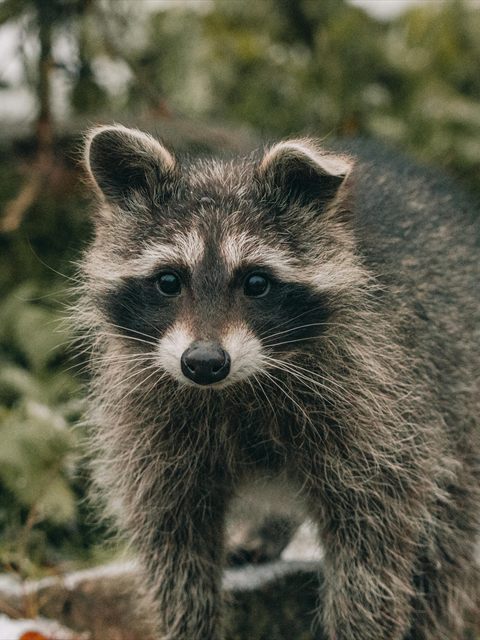
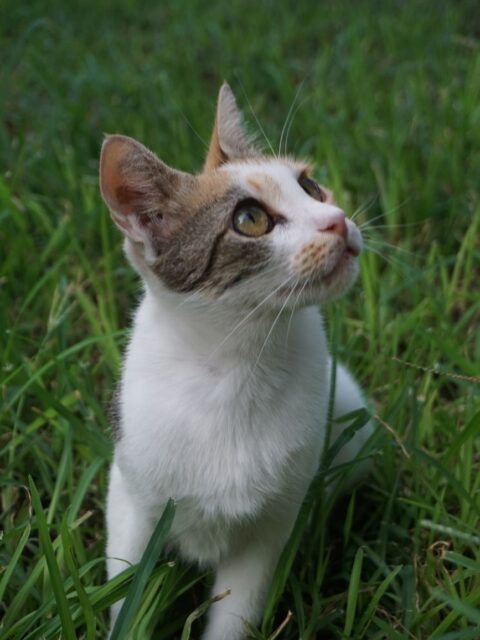
- Foxes, raccoons, large birds of prey, and domestic cats.
- Defense Mechanisms
- Mandarin Ducks rely on their ability to fly and their camouflage to evade predators.
- Compatible Animals
- other duck species, geese, swans
- Found in Zoos
- Common