


MANDARIN RATSNAKE
Elaphe mandarina
DESCRIPTION
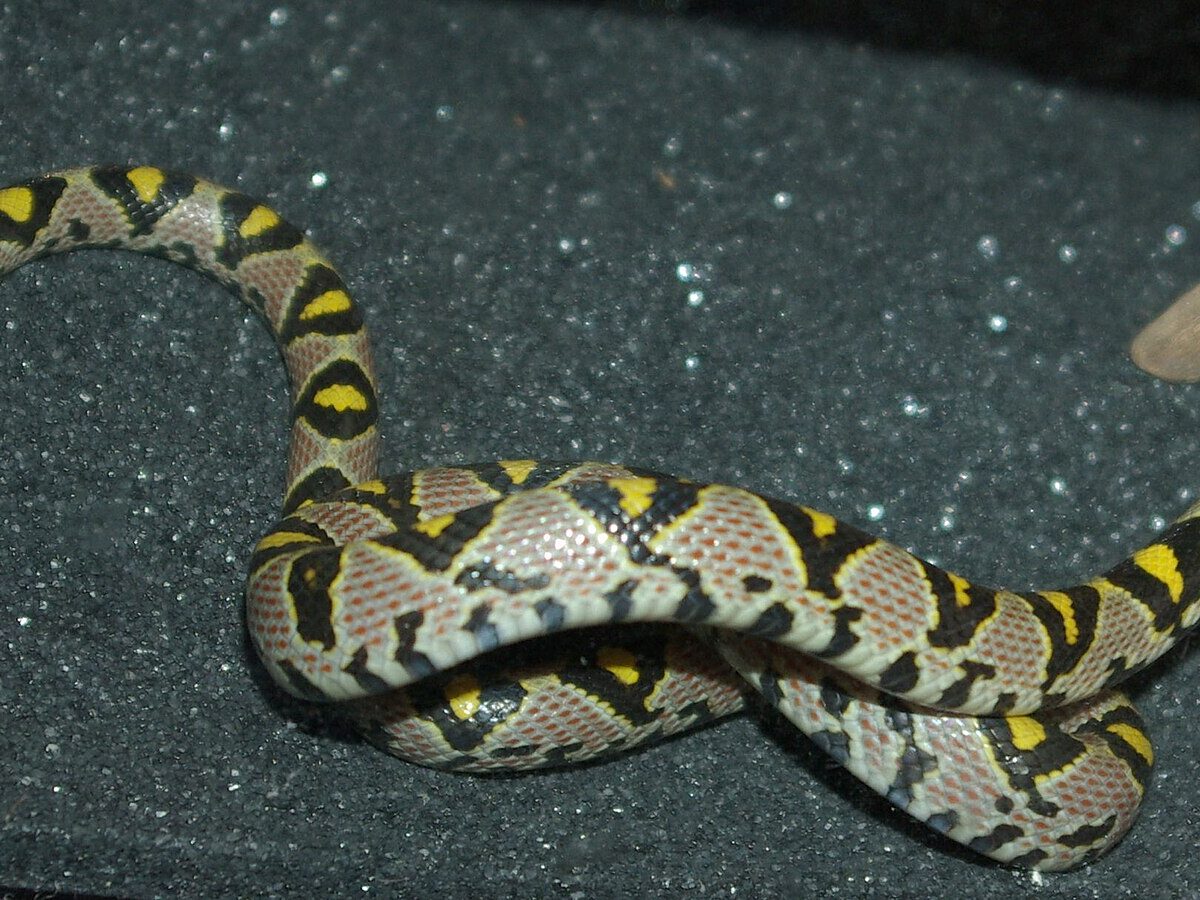
Mandarin Ratsnake (Elaphe mandarina) is commonly known as the Chinese Ratsnake and Mandarinsnake. This non-venomous snake is characterized by its striking coloration, which typically includes a vibrant orange or yellow body adorned with dark brown or black markings. They are primarily arboreal and terrestrial, exhibiting a calm demeanor, making them popular in the pet trade and among reptile enthusiasts.
FUN FACTS
- Mandarin Ratsnakes are known for their impressive climbing abilities, often found in trees hunting for birds
- They are also popular in the pet trade due to their striking appearance and docile nature, making them a favorite among reptile enthusiasts.|These snakes have a unique ability to change their coloration slightly based on their environment, which helps them blend in and avoid predators
- This adaptability is a fascinating aspect of their behavior and ecology
QUICK INFO
Lifespan10-15 years in the wild, up to 20 in captivity
Average Weight1-2 kg
Average Length1.2-1.8 m
Diet TypeCarnivore
Social Structuresolitary
Activity PatternDiurnal
Breeding SeasonSpring (April-June)
- Habitat
- These snakes inhabit a variety of environments, including forests, grasslands, and agricultural areas. They are often found in areas with ample cover and climbing opportunities.
- Biomes
- Temperate Forest, Grassland
- Native Range
- Mandarin Ratsnakes are native to East Asia, particularly found in China, Korea, and parts of Japan.
- Continent
- Asia
- Countries
- China, Japan, Korea
- Diet
- Mandarin Ratsnakes primarily feed on small mammals, birds, and occasionally reptiles. They are constrictors, subduing their prey before consumption.
- Diet Type
- Carnivore
- Favorite Food
- small mammals, birds
- Social Structure
- solitary
- Activity Pattern
- Diurnal
- Group Size
- 1
- Territorial
- 0
 VU
VU

1-2 kg
Weight
1.2-1.8 m
Length
- Coloration
- vibrant orange or yellow with dark markings
- Sexual Dimorphism
- males are typically smaller than females
- Lifespan
- 10-15 years in the wild, up to 20 in captivity
- Offspring per Birth
- 5-15
- Sexual Maturity
- 2-3 years
- Breeding Season
- Spring (April-June)
LC
Least Concern
IUCN Red List Status
- Population Status
- The population of Mandarin Ratsnakes is currently stable, with no significant declines reported.
- Wild Population Estimate
- unknown
- Population Trend
- Stable
- Endangered
- 0
- Threats
- Main threats include habitat loss due to urbanization and agriculture. Additionally, they are sometimes collected for the pet trade, which can impact local populations.
- Predators
- birds of prey, larger snakes, mammals
- Defense Mechanisms
- Mandarin Ratsnakes may hiss and strike when threatened, but they prefer to flee rather than confront predators.
- Found in Zoos
- Common