



MANELESS ZEBRA
DESCRIPTION
Maneless Zebra is a unique subspecies of zebra that is characterized by its lack of a mane, which distinguishes it from other zebra species. This zebra exhibits a striking pattern of black and white stripes, which serve as camouflage in their natural habitat. They are social animals, often found in small groups, and are known for their strong herd instincts and vocal communication.
FUN FACTS
- Maneless Zebras are often mistaken for other zebra species due to their unique appearance, but their lack of a mane is a defining characteristic
- They are also known for their strong social bonds, often forming lifelong friendships with other herd members.| Unlike other zebras, which may have more pronounced manes, the Maneless Zebra's smooth neck allows for easier movement through dense vegetation, making them well-adapted to their environment
QUICK INFO
Lifespan20-25 years in the wild, up to 30 in captivity
Average Weight200-300 kg
Average Length2.0-2.5 m
Diet TypeHerbivore
Social Structuregroup — they typically live in small herds consisting of a few individuals.
Activity PatternDiurnal
Breeding SeasonYear-round
- Habitat
- Maneless Zebras inhabit open grasslands and savannas, where they can easily find food and evade predators. They prefer areas with access to water sources.
- Biomes
- Savanna, Grassland
- Native Range
- Maneless Zebras are native to the eastern regions of Africa, particularly in areas of Tanzania and Kenya.
- Continent
- Africa
- Countries
- Tanzania, Kenya
- Diet
- Maneless Zebras are herbivores, primarily grazing on grasses and leaves. They may also consume shrubs and other vegetation when grass is scarce.
- Diet Type
- Herbivore
- Favorite Food
- grasses
- Social Structure
- group — they typically live in small herds consisting of a few individuals.
- Activity Pattern
- Diurnal
- Group Size
- 5-15
- Territorial
- 0
 LC
LC
 LC
LC
200-300 kg
Weight
2.0-2.5 m
Length
1.3 m at shoulder
Height (Shoulder)
- Coloration
- distinctive black and white stripes with a lack of mane
- Lifespan
- 20-25 years in the wild, up to 30 in captivity
- Gestation Period
- 12 months
- Offspring per Birth
- 1
- Sexual Maturity
- 3-4 years
- Breeding Season
- Year-round
LC
Least Concern
IUCN Red List Status
- Population Status
- The population of Maneless Zebras is currently stable, but they face threats from habitat loss and poaching.
- Wild Population Estimate
- 10,000-15,000
- Population Trend
- Stable
- Endangered
- 0
- Threats
- Main threats include habitat destruction due to agriculture and human encroachment, as well as poaching for their skins. Conservation efforts are needed to ensure their continued survival.
- Predators
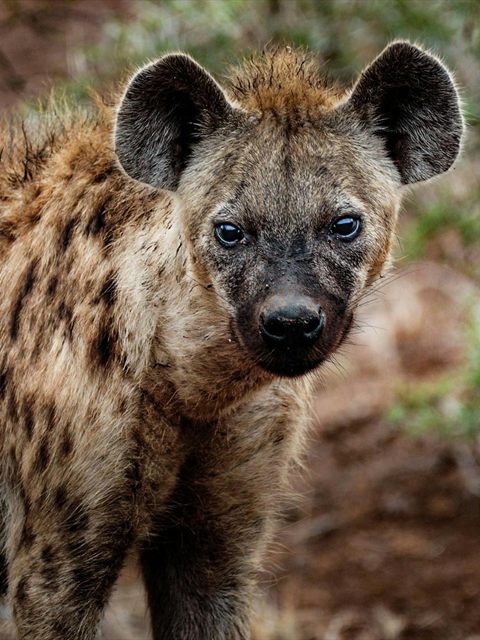
- Lions, hyenas, and crocodiles are known predators of the Maneless Zebra.
- Defense Mechanisms
- They rely on their speed and agility to escape predators, as well as their strong herd instincts to confuse attackers.
- Compatible Animals
- none
- Found in Zoos
- Uncommon