


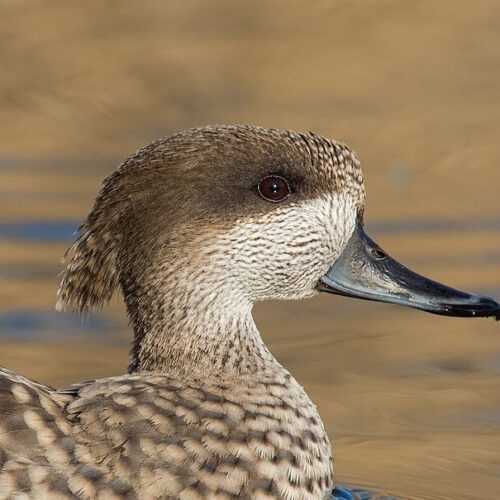
MARBLED TEAL
Marmaronetta angustirostris
DESCRIPTION
The Marbled Teal is a medium-sized duck characterized by its striking plumage, which features a mix of brown, gray, and white with a distinctive marbled pattern. Males are more colorful than females, showcasing a rich chestnut color on their heads and a unique green speculum on their wings. This species is known for its shy behavior, often preferring to stay hidden in dense vegetation near water bodies, and it exhibits a preference for shallow wetlands and marshes.
FUN FACTS
- Marbled Teals are known for their unique courtship displays, which include elaborate swimming patterns and vocalizations that help attract mates
- | This species is often mistaken for other dabbling ducks due to its similar size and shape, but its distinctive marbled plumage sets it apart, making it a favorite among birdwatchers
QUICK INFO
Lifespan10-15 years in the wild
Average Weight600-800 g
Average Length45-50 cm
Diet TypeOmnivore
Social Structurepair or small groups, often seen in pairs during breeding season
Activity PatternDiurnal
Breeding SeasonSpring (March-May)
- Habitat
- Marbled Teals inhabit freshwater wetlands, marshes, and shallow lakes, often favoring areas with dense vegetation for cover. They are typically found in regions with abundant aquatic vegetation, which provides both food and nesting sites.
- Biomes
- Wetlands, Freshwater
- Native Range
- The Marbled Teal is native to parts of Europe, North Africa, and the Middle East, with populations found in countries such as Spain, Morocco, and Turkey.
- Continent
- Europe, Africa, Asia
- Countries
- Spain, Morocco, Turkey, Egypt, Iran
- Diet
- Marbled Teals primarily feed on aquatic plants, seeds, and small invertebrates. They forage by dabbling on the water's surface or tipping forward to reach submerged food.
- Diet Type
- Omnivore
- Favorite Food
- aquatic plants, seeds, small invertebrates
- Social Structure
- pair or small groups, often seen in pairs during breeding season
- Activity Pattern
- Diurnal
- Group Size
- 2-10
- Territorial
- 0

 VU
VU
 LC
LC
600-800 g
Weight
45-50 cm
Length
- Coloration
- The Marbled Teal has a mottled brown and gray body with a distinctive green speculum on its wings.
- Sexual Dimorphism
- Males are more colorful with a chestnut head, while females are more subdued in coloration.
- Lifespan
- 10-15 years in the wild
- Offspring per Birth
- 6-12
- Sexual Maturity
- 1-2 years
- Breeding Season
- Spring (March-May)
VU
Vulnerable
IUCN Red List Status
- Population Status
- The population of Marbled Teals is currently considered to be declining due to habitat loss.
- Wild Population Estimate
- 10,000-20,000
- Population Trend
- Decreasing
- Endangered
- 1
- Threats
- Main threats include habitat destruction due to agricultural expansion and water management practices. Additionally, hunting and pollution pose significant risks to their populations.
- Conservation Program
- Various local conservation efforts are in place to protect wetland habitats.
- Predators
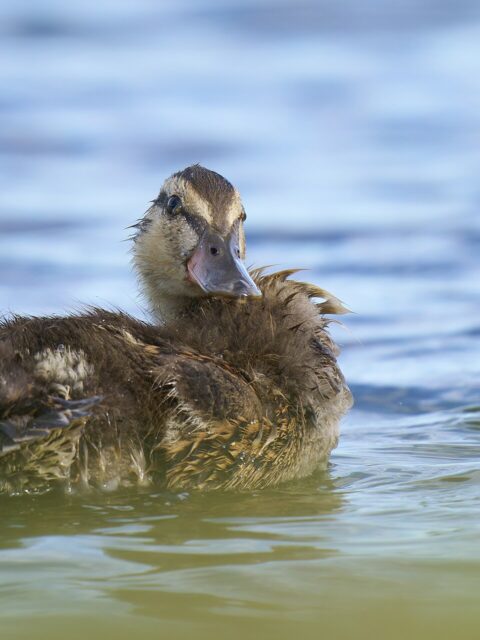
- Foxes, birds of prey, and larger aquatic predators may prey on Marbled Teal eggs and ducklings.
- Defense Mechanisms
- Marbled Teals rely on their cryptic coloration and behavior to avoid detection by predators.
- Compatible Animals
- other duck species, coots, herons
- Found in Zoos
- Uncommon