


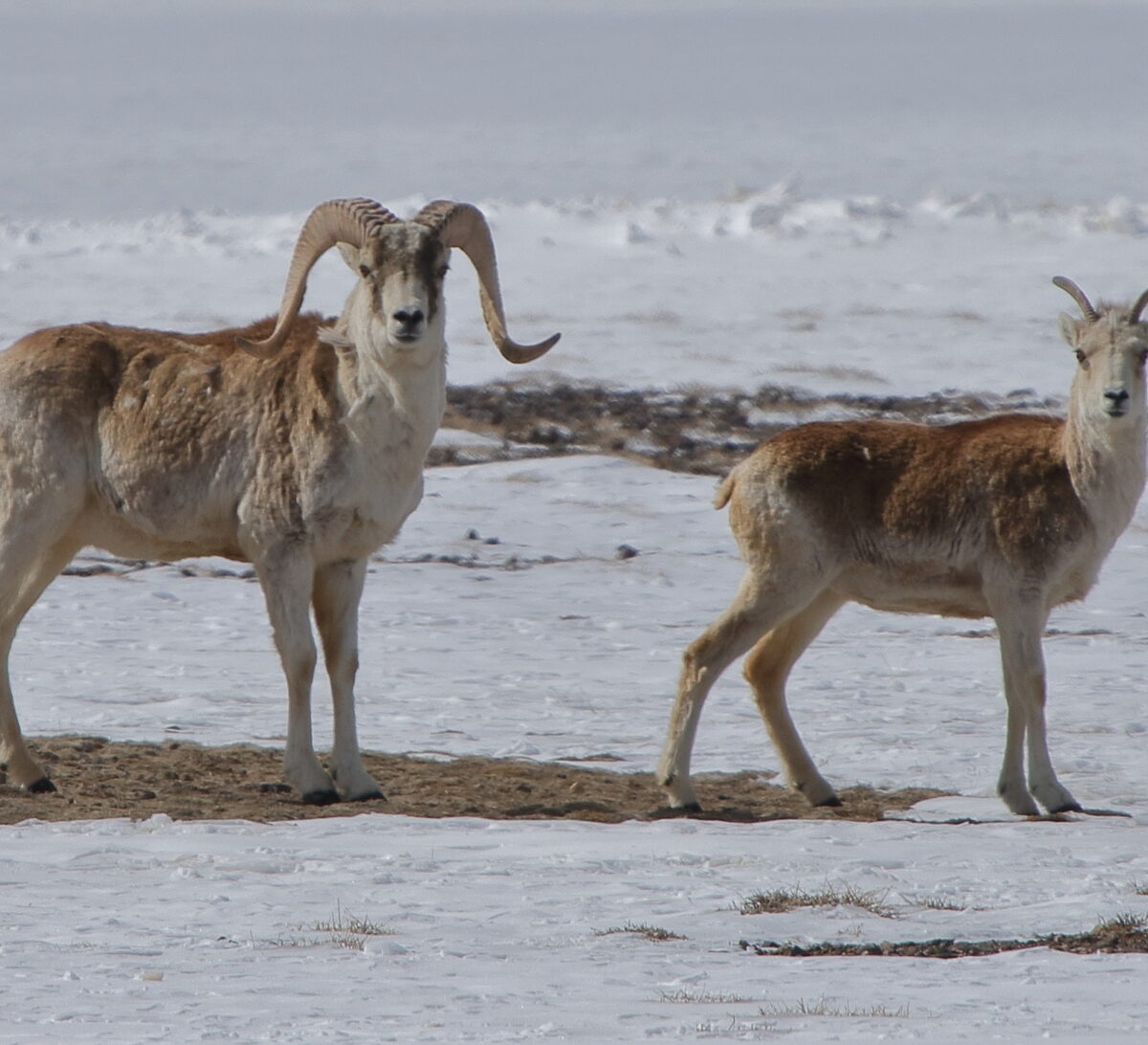
MARCO POLO SHEEP
Ovis ammon polii
DESCRIPTION
Marco Polo Sheep (Ovis ammon polii), also known as Marco Polo Argali, is a large wild sheep species characterized by its impressive curved horns, which can reach lengths of up to 1.5 meters in males. These sheep have a thick, woolly coat that varies in color from light brown to grayish, providing insulation against the harsh climates of their mountainous habitats. They are known for their agility and ability to navigate steep terrains, often found in remote areas of the Pamir Mountains and surrounding regions.
FUN FACTS
- Marco Polo Sheep are named after the famous explorer Marco Polo, who described them in his travels through Central Asia in the 13th century
- Their impressive horns are not only a symbol of their strength but also play a role in mating displays and establishing dominance among males
QUICK INFO
Lifespan10-15 years in the wild, up to 20 years in captivi
Average Weight90-140 kg
Average Length1.5-2.0 m
Diet TypeHerbivore
Social StructureThey typically live in groups, which can vary in size depending on the season and availability of resources.
Activity PatternDiurnal
Breeding SeasonAutumn (September-November)
- Habitat
- They inhabit alpine and subalpine regions, often at high elevations where they can find adequate forage and shelter from predators. Their habitat is characterized by rugged terrain and sparse vegetation.
- Biomes
- Mountain, Alpine
- Native Range
- Marco Polo Sheep are native to the mountainous regions of Central Asia, particularly in the Pamir Mountains, Tien Shan, and Hindu Kush.
- Continent
- Asia
- Countries
- Tajikistan, Afghanistan, Pakistan, China
- Diet
- Marco Polo Sheep are herbivores, primarily grazing on grasses, shrubs, and other vegetation found in their mountainous habitats.
- Diet Type
- Herbivore
- Favorite Food
- grasses, shrubs
- Social Structure
- They typically live in groups, which can vary in size depending on the season and availability of resources.
- Activity Pattern
- Diurnal
- Group Size
- 5-20
- Territorial
- 0
 VU
VU
 LC
LC
90-140 kg
Weight
1.5-2.0 m
Length
0.9-1.1 m at shoulder
Height (Shoulder)
- Coloration
- Light brown to grayish with a thick woolly coat.
- Sexual Dimorphism
- Males are larger and have significantly larger horns than females.
- Lifespan
- 10-15 years in the wild, up to 20 years in captivi
- Gestation Period
- 150 days
- Offspring per Birth
- 1
- Sexual Maturity
- 2-3 years
- Breeding Season
- Autumn (September-November)
VU
Vulnerable
IUCN Red List Status
- Population Status
- The population of Marco Polo Sheep is currently considered vulnerable due to habitat loss and hunting pressures.
- Wild Population Estimate
- 10,000-15,000
- Population Trend
- Decreasing
- Endangered
- 1
- Threats
- Main threats include poaching for their horns and habitat degradation due to livestock grazing and human encroachment. Conservation efforts are needed to protect their remaining populations.
- Conservation Program
- Various conservation programs are in place in Tajikistan and surrounding regions to protect their habitat and reduce poaching.
- Predators
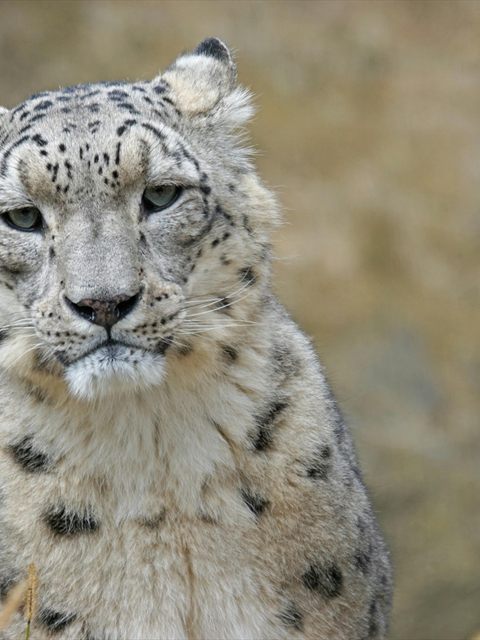
- Snow leopards, wolves, and bears are known predators of Marco Polo Sheep.
- Defense Mechanisms
- They rely on their agility and ability to navigate steep terrains to escape predators, often fleeing to high cliffs.
- Found in Zoos
- Uncommon