


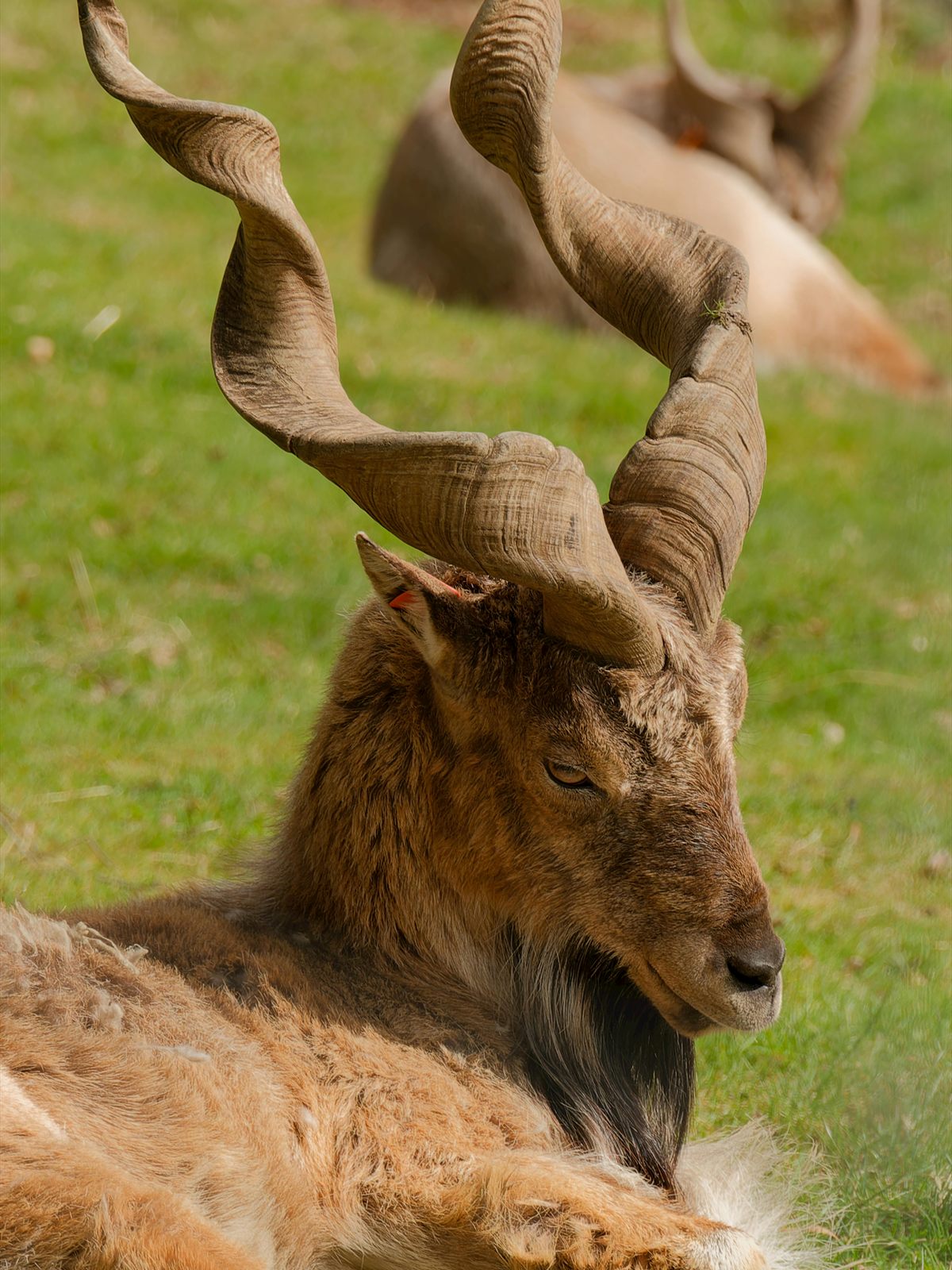
MARKHOR
DESCRIPTION
Also called the screw-horned goat, Markhor is a wild goat species known for its impressive twisted horns that can grow up to 1.5 meters long. They have a distinctive appearance with a shaggy coat that varies in color from light brown to dark brown, often with a lighter underbelly. Markhor are agile climbers, adept at navigating steep and rocky terrains, and they are primarily found in mountainous regions of Central and South Asia.
FUN FACTS
- Markhor is the national animal of Pakistan and is celebrated for its unique horns, which are often used in traditional crafts
- The name 'Markhor' is derived from Persian, meaning 'snake eater,' which refers to the animal's ability to thrive in rugged terrains where snakes are common.|Markhor are known for their impressive climbing abilities, often seen scaling steep cliffs and rocky outcrops with ease
- This agility not only helps them escape predators but also allows them to access food sources that are out of reach for many other herbivores
QUICK INFO
Lifespan10-15 years in the wild, up to 20 years in captivi
Average Weight50-100 kg
Average Length1.2-1.5 m
Diet TypeHerbivore
Social Structuresolitary or small groups, often seen alone or in pairs outside of the breeding season
Activity PatternDiurnal
Breeding SeasonWinter (December-February)
- Habitat
- Markhor inhabit rugged mountainous areas, often preferring steep slopes and rocky outcrops. They are typically found at elevations ranging from 1,500 to 3,600 meters.
- Biomes
- Mountain, Temperate Forest
- Native Range
- Markhor are native to the mountainous regions of Afghanistan, Pakistan, India, and Tajikistan.
- Continent
- Asia
- Countries
- Afghanistan, Pakistan, India, Tajikistan
- Diet
- Markhor are herbivores that primarily graze on grasses, leaves, and shrubs. They are known to forage on a variety of vegetation depending on the season and availability.
- Diet Type
- Herbivore
- Favorite Food
- grasses, leaves, shrubs
- Social Structure
- solitary or small groups, often seen alone or in pairs outside of the breeding season
- Activity Pattern
- Diurnal
- Group Size
- 1-5
- Territorial
- 0
 VU
VU
 LC
LC
50-100 kg
Weight
1.2-1.5 m
Length
0.9-1.2 m at shoulder
Height (Shoulder)
- Coloration
- shaggy coat that varies from light to dark brown
- Sexual Dimorphism
- males are larger with longer, twisted horns
- Lifespan
- 10-15 years in the wild, up to 20 years in captivi
- Gestation Period
- 150 days
- Offspring per Birth
- 1
- Sexual Maturity
- 2-3 years
- Breeding Season
- Winter (December-February)
NT
Near Threatened
IUCN Red List Status
- Population Status
- Markhor populations are currently recovering in some areas due to conservation efforts, but they remain vulnerable in others.
- Wild Population Estimate
- 20,000-30,000
- Population Trend
- Increasing
- Endangered
- 1
- Threats
- The main threats to Markhor include habitat loss due to deforestation and human encroachment, as well as poaching for their horns and meat. Conservation efforts have been implemented in some regions to help stabilize and increase their populations.
- Conservation Program
- Community-based conservation programs in Pakistan have been successful in increasing Markhor populations.
- Predators
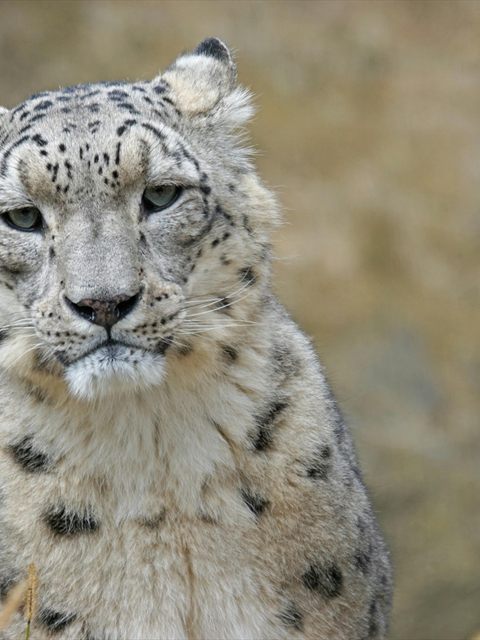
- Snow leopards, wolves, and large birds of prey are known to prey on Markhor, particularly the young and weak individuals.
- Defense Mechanisms
- Markhor are agile climbers and can escape predators by navigating steep and rocky terrain. They also rely on their keen senses to detect danger early.
- Found in Zoos
- Uncommon