


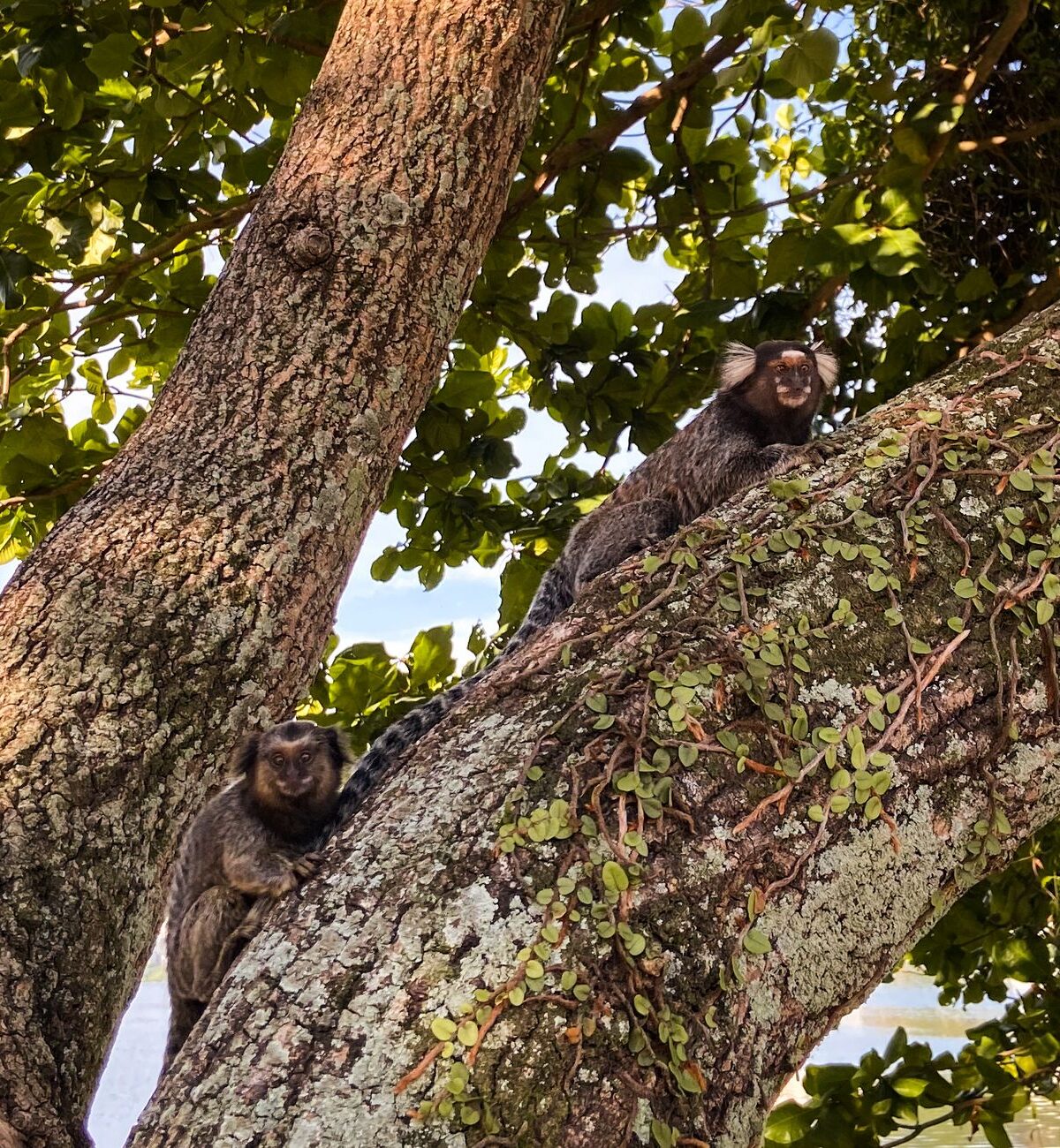
MARMOSET
Callithrix
DESCRIPTION
Marmoset (Callithrix) is commonly known as the Common Marmoset and the White-tufted Ear Marmoset. These small primates are characterized by their distinctive white ear tufts and a generally brownish or grayish fur coat. They are highly social animals, often found in groups, and are known for their vocalizations and playful behavior, which includes leaping between branches in their forest habitats.
FUN FACTS
- Marmosets are known for their unique grooming behavior, which helps strengthen social bonds within their groups
- They also have a remarkable ability to leap between trees, covering distances of up to 5 meters in a single jump.|These primates have a specialized diet that includes tree sap, which they obtain by gnawing on the bark of certain trees
- This behavior not only provides them with nutrition but also plays a role in the ecosystem by helping trees heal from injuries
QUICK INFO
Lifespan5-10 years in the wild, up to 12 years in captivit
Average Weight300-500 g
Average Length20-30 cm
Diet TypeOmnivore
Social StructureGroup, typically consisting of family units with a dominant breeding pair.
Activity PatternDiurnal
Breeding SeasonYear-round, with peaks depending on local conditions
- Habitat
- Marmosets inhabit tropical and subtropical forests, particularly in areas with dense vegetation. They are often found in both primary and secondary forests, as well as in gallery forests along rivers.
- Biomes
- Tropical Rainforest, Subtropical Forest
- Native Range
- Marmosets are native to the eastern and central regions of Brazil.
- Continent
- South America
- Countries
- Brazil
- Diet
- Marmosets primarily feed on a diet of fruits, insects, and small vertebrates. They are known to consume tree sap and gum, which they extract using their specialized teeth.
- Diet Type
- Omnivore
- Favorite Food
- Fruits, insects, tree sap
- Social Structure
- Group, typically consisting of family units with a dominant breeding pair.
- Activity Pattern
- Diurnal
- Group Size
- 5-15
- Territorial
- 1
 VU
VU
 LC
LC
300-500 g
Weight
20-30 cm
Length
- Coloration
- Brownish-gray fur with white ear tufts and a long tail.
- Sexual Dimorphism
- Males and females are similar in size and appearance.
- Lifespan
- 5-10 years in the wild, up to 12 years in captivit
- Gestation Period
- 145 days
- Offspring per Birth
- 1-3
- Sexual Maturity
- 1-2 years
- Breeding Season
- Year-round, with peaks depending on local conditions
LC
Least Concern
IUCN Red List Status
- Population Status
- The population of marmosets is currently stable in some areas, but habitat loss poses a significant threat.
- Wild Population Estimate
- Unknown
- Population Trend
- Stable
- Endangered
- 0
- Threats
- Main threats include habitat destruction due to deforestation and urbanization. Additionally, they are sometimes captured for the pet trade.
- Predators
- Birds of prey, snakes, and larger mammals such as felids.
- Defense Mechanisms
- Marmosets use vocalizations to warn of predators and often rely on their agility to escape.
- Compatible Animals
- Other small primates, such as tamarins, in controlled environments like zoos.
- Found in Zoos
- Common