



MARMOT DUCK
DESCRIPTION
Marmot Duck is a unique species known for its distinctive appearance, combining features of both ducks and marmots. It has a robust body covered in soft, downy feathers, with a rounded head and a beak that resembles that of a duck, while its limbs are sturdy and adapted for burrowing. This species is primarily found in mountainous regions, where it exhibits a fascinating behavior of foraging for food both in water and on land, showcasing its adaptability to diverse environments.
FUN FACTS
- Marmot Duck is often mistaken for a regular duck due to its appearance, but its unique adaptations make it a fascinating study in evolutionary biology
- | This species has a remarkable ability to thrive in high-altitude environments, where oxygen levels are lower, showcasing its resilience and adaptability
QUICK INFO
Lifespan10-15 years in the wild, up to 20 in captivity
Average Weight1-2 kg
Average Length50-70 cm
Diet TypeOmnivore
Social Structuregroup — typically found in small family groups or flocks.
Activity PatternDiurnal
Breeding SeasonSpring (April-June)
- Habitat
- Marmot Duck inhabits freshwater lakes and streams in mountainous areas, often near grassy banks where it can forage. It prefers habitats that provide both water and land access for feeding and nesting.
- Biomes
- Montane, Freshwater
- Native Range
- This species is native to the high-altitude regions of the Himalayas and surrounding mountain ranges.
- Continent
- Asia
- Countries
- Nepal, India, Bhutan
- Diet
- Marmot Duck primarily feeds on aquatic plants, insects, and small invertebrates. Its diet varies seasonally, reflecting the availability of food sources in its habitat.
- Diet Type
- Omnivore
- Favorite Food
- aquatic plants, insects
- Social Structure
- group — typically found in small family groups or flocks.
- Activity Pattern
- Diurnal
- Group Size
- 3-10
- Territorial
- 0
 LC
LC

1-2 kg
Weight
50-70 cm
Length
- Coloration
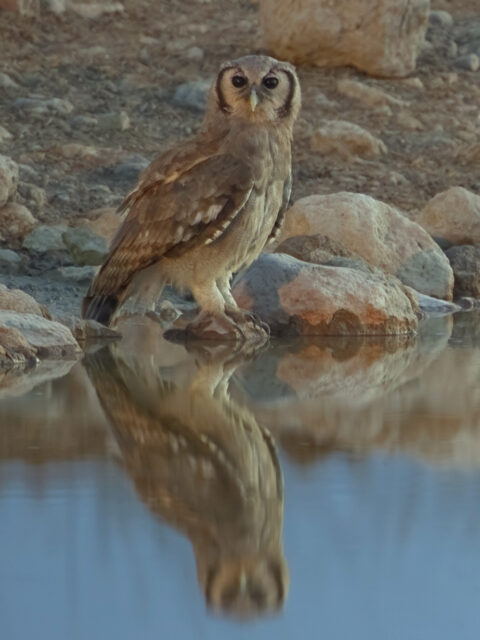
- The plumage is a mix of brown and gray with lighter underparts, providing camouflage in its natural habitat.
- Lifespan
- 10-15 years in the wild, up to 20 in captivity
- Sexual Maturity
- 1-2 years
- Breeding Season
- Spring (April-June)
LC
Least Concern
IUCN Red List Status
- Population Status
- The population of Marmot Duck is currently stable, but habitat loss poses a potential threat.
- Wild Population Estimate
- 5,000-10,000
- Population Trend
- Stable
- Endangered
- 0
- Threats
- Main threats include habitat destruction due to agriculture and climate change, which affect their breeding and foraging grounds. Additionally, pollution in freshwater habitats poses a risk to their health and food sources.
- Predators
- Eagles, foxes, and large snakes are known predators of Marmot Duck.
- Defense Mechanisms
- Marmot Duck uses its ability to dive underwater to escape from predators, as well as its camouflage to avoid detection.
- Found in Zoos
- Uncommon