


MARTEN
Martes martes
DESCRIPTION
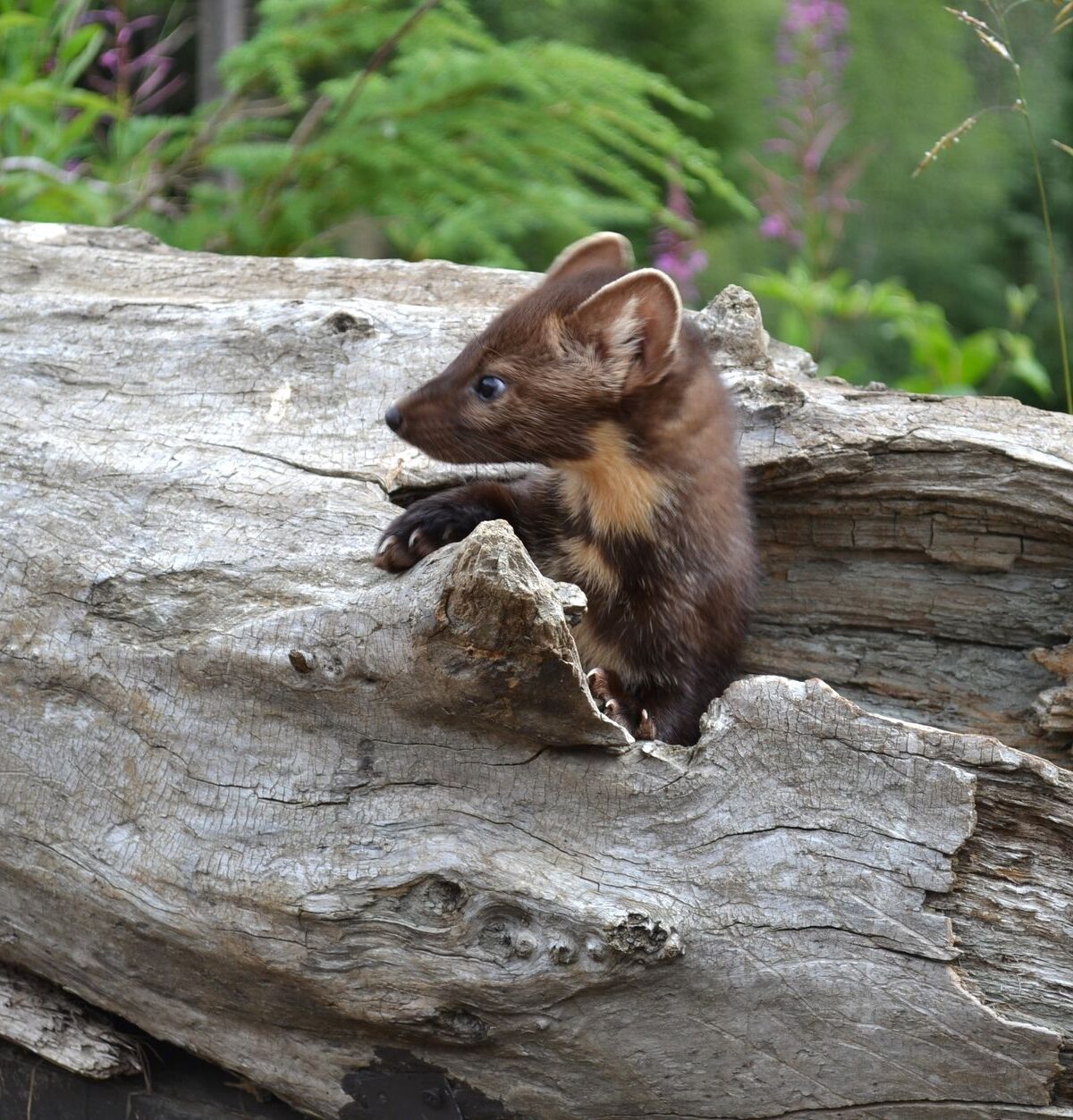
Marten (Martes martes) is commonly known as the Pine Marten and the European Marten. This small, agile mammal has a slender body, a bushy tail, and a distinctive yellowish throat patch. They are primarily nocturnal and are known for their playful behavior, often seen climbing trees and exploring their forested habitats.
FUN FACTS
- Marten is known for its playful nature, often engaging in acrobatic displays while climbing trees
- They have a unique vocalization that sounds like a chattering noise, which they use to communicate with each other.|In folklore, the Pine Marten is often associated with good luck and is considered a symbol of the forest
- Their fur was historically valued for its softness and warmth, leading to hunting pressures in some areas
QUICK INFO
Lifespan10-15 years in the wild, up to 20 in captivity
Average Weight1.5-2.5 kg
Average Length45-60 cm
Diet TypeCarnivore
Social Structuresolitary, with individuals maintaining their own territories
Activity PatternNocturnal
Breeding SeasonLate summer to early autumn (July-September)
- Habitat
- Marten prefers mature forests with a mix of coniferous and deciduous trees. They are also found in woodlands and sometimes in urban areas with sufficient tree cover.
- Biomes
- Temperate Forest, Boreal Forest
- Native Range
- Marten is native to Europe and parts of Asia, ranging from the British Isles to Scandinavia and into the mountainous regions of Central Europe.
- Continent
- Europe, Asia
- Countries
- United Kingdom, Ireland, France, Germany, Sweden, Norway, Finland, Poland, Czech Republic
- Diet
- Marten primarily feeds on small mammals, birds, and fruits. They are opportunistic feeders and will also consume insects and carrion when available.
- Diet Type
- Carnivore
- Favorite Food
- small mammals, birds, fruits
- Social Structure
- solitary, with individuals maintaining their own territories
- Activity Pattern
- Nocturnal
- Group Size
- 1
- Territorial
- 1
 LC
LC

1.5-2.5 kg
Weight
45-60 cm
Length
- Coloration
- dark brown to yellowish-brown fur with a lighter throat patch
- Sexual Dimorphism
- males are generally larger than females
- Lifespan
- 10-15 years in the wild, up to 20 in captivity
- Gestation Period
- 28-30 days
- Offspring per Birth
- 2-5
- Sexual Maturity
- 1-2 years
- Breeding Season
- Late summer to early autumn (July-September)
LC
Least Concern
IUCN Red List Status
- Population Status
- The population is currently stable in many areas, though it faces local declines due to habitat loss.
- Wild Population Estimate
- 100,000-200,000
- Population Trend
- Stable
- Endangered
- 0
- Threats
- Main threats include habitat destruction, road mortality, and hunting. In some regions, they are also affected by competition with other carnivores.
- Predators
- Eagles, foxes, and larger carnivores may prey on young martens. Adult martens have few natural predators due to their agility and arboreal lifestyle.
- Defense Mechanisms
- Marten uses its agility to escape predators and can climb trees quickly to evade threats.
- Found in Zoos
- Uncommon