


MA'S NIGHT MONKEY
Aotus miconax
DESCRIPTION
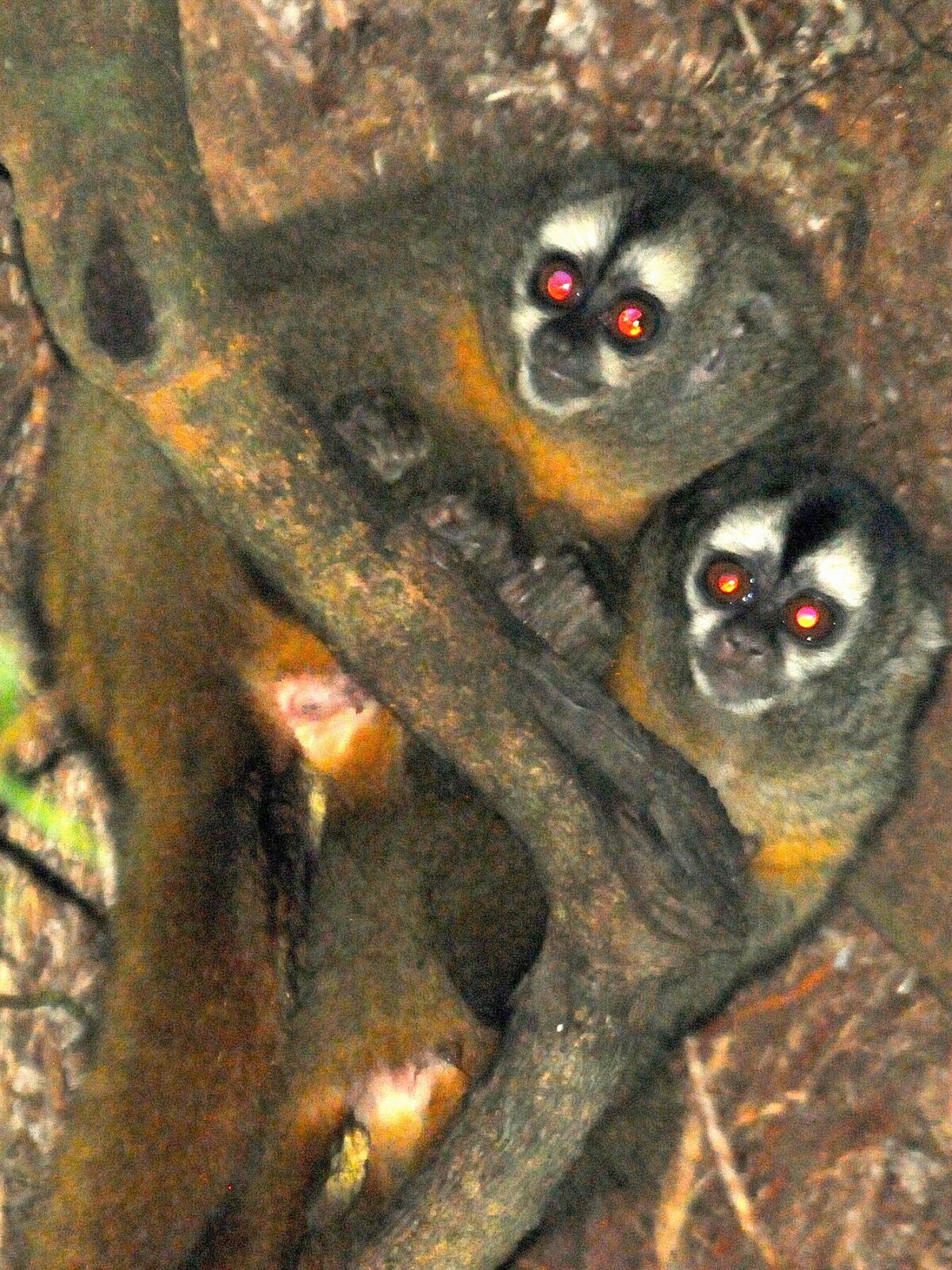
Ma's Night Monkey (Aotus miconax) is a small primate characterized by its large eyes and a predominantly grayish-brown fur coat. This species is nocturnal, exhibiting behaviors such as foraging for food at night and using vocalizations to communicate with others in their group. They are arboreal, spending most of their time in trees, which provides them with both food sources and protection from predators.
FUN FACTS
- Ma's Night Monkey is one of the few nocturnal primates, which allows it to avoid competition with diurnal species
- Their large eyes are adapted for low-light conditions, providing excellent night vision, which is crucial for their foraging activities
- | These monkeys are known for their vocal communication, using a variety of calls to maintain contact with group members and alert them to potential dangers
- Their social structure is quite complex, with strong bonds formed between family members
QUICK INFO
Lifespan15-20 years in the wild, up to 25 in captivity
Average Weight1.5-2.5 kg
Average Length40-50 cm
Diet TypeOmnivore
Social StructureThey typically live in small family groups, which can consist of a breeding pair and their offspring.
Activity PatternNocturnal
Breeding SeasonYear-round, with peaks depending on environmental conditions
- Habitat
- Ma's Night Monkey inhabits tropical and subtropical forests, often found in areas with dense canopy cover. They prefer regions that provide ample food resources and shelter from predators.
- Biomes
- Tropical Rainforest
- Native Range
- This species is native to the Andean region of South America, particularly in areas of Colombia and Ecuador.
- Continent
- South America
- Countries
- Colombia, Ecuador
- Diet
- They primarily consume fruits, leaves, and insects, showcasing a varied diet that allows them to thrive in their natural habitat.
- Diet Type
- Omnivore
- Favorite Food
- fruits, leaves, insects
- Social Structure
- They typically live in small family groups, which can consist of a breeding pair and their offspring.
- Activity Pattern
- Nocturnal
- Group Size
- 2-6
- Territorial
- 1
 NT
NT
1.5-2.5 kg
Weight
40-50 cm
Length
- Coloration
- Grayish-brown fur with lighter underparts and distinctive facial markings.
- Sexual Dimorphism
- Males and females are similar in size and appearance, with no significant dimorphism.
- Lifespan
- 15-20 years in the wild, up to 25 in captivity
- Gestation Period
- 120 days
- Offspring per Birth
- 1-2
- Sexual Maturity
- 2-3 years
- Breeding Season
- Year-round, with peaks depending on environmental conditions
EN
Endangered
IUCN Red List Status
- Population Status
- The population status is currently not well-documented, but habitat loss poses a significant threat.
- Wild Population Estimate
- Unknown
- Population Trend
- Decreasing
- Endangered
- 1
- Threats
- Main threats include habitat destruction due to deforestation and fragmentation, as well as hunting. These factors have led to a decline in their population and habitat availability.
- Predators
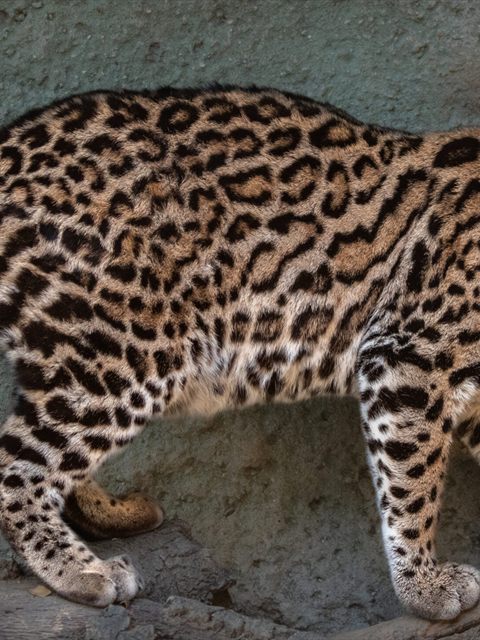
- Main predators include birds of prey and larger mammals, such as jaguars and ocelots.
- Defense Mechanisms
- They rely on their nocturnal habits and arboreal lifestyle to evade predators, often using the dense foliage for cover.
- Found in Zoos
- Uncommon