



MASAI GIRAFFE
Giraffa tippelskirchi
DESCRIPTION
The Masai giraffe, known scientifically as Giraffa tippelskirchi, is characterized by its distinct coat pattern, which features irregular, jagged patches that are typically darker than those of other giraffe subspecies. These giraffes are the tallest land animals, with long necks and legs that allow them to reach high foliage in trees. They are social animals, often found in loose herds, and exhibit a unique behavior of necking, where males engage in combat by swinging their necks at each other.
FUN FACTS
- Masai giraffes have a unique way of drinking water; they must spread their legs apart and bend down, which makes them vulnerable to predators
- Additionally, their long necks are not just for reaching high leaves; they also help them regulate body temperature by allowing heat to dissipate more effectively.| The Masai giraffe's coat patterns are as unique as human fingerprints, with no two individuals having the same pattern
- This uniqueness helps researchers identify and track individual giraffes in the wild
QUICK INFO
Lifespan15-25 years in the wild, up to 30 years in captivi
Average Weight800-1,200 kg
Average Length4.3-5.7 m
Diet TypeHerbivore
Social StructureGroup, typically consisting of females and their young, with males often being more solitary.
Activity PatternDiurnal
Breeding SeasonYear-round, with peaks depending on local conditions
- Habitat
- Masai giraffes inhabit savannas, grasslands, and open woodlands where they can easily access their preferred food sources. They require areas with sufficient tree cover for feeding and shelter.
- Biomes
- Savanna, Grassland
- Native Range
- The native range of the Masai giraffe includes central and southern Kenya and Tanzania.
- Continent
- Africa
- Countries
- Kenya, Tanzania
- Diet
- Masai giraffes are herbivores, primarily feeding on leaves, fruits, and flowers from trees and shrubs. They have a preference for acacia species, which provide both nutrition and hydration.
- Diet Type
- Herbivore
- Favorite Food
- Acacia leaves
- Social Structure
- Group, typically consisting of females and their young, with males often being more solitary.
- Activity Pattern
- Diurnal
- Group Size
- 5-20
- Territorial
- 0
 LC
LC
 LC
LC
800-1,200 kg
Weight
4.3-5.7 m
Length
4.5-6 m
Height (Shoulder)
- Coloration
- The Masai giraffe has a coat with irregular, jagged patches that are brown or orange in color, separated by lighter, cream-colored fur.
- Sexual Dimorphism
- Males are generally larger and have thicker necks than females.
- Lifespan
- 15-25 years in the wild, up to 30 years in captivi
- Gestation Period
- about 15 months
- Offspring per Birth
- 1
- Sexual Maturity
- 3-4 years
- Breeding Season
- Year-round, with peaks depending on local conditions
VU
Vulnerable
IUCN Red List Status
- Population Status
- The Masai giraffe population is currently facing challenges due to habitat loss and poaching.
- Wild Population Estimate
- 35,000-40,000
- Population Trend
- Decreasing
- Endangered
- 1
- Threats
- Main threats include habitat destruction due to agriculture and urbanization, as well as poaching for their skin and bones. These factors have contributed to a decline in their population.
- Conservation Program
- Various conservation programs are in place, including habitat protection and anti-poaching initiatives.
- Predators
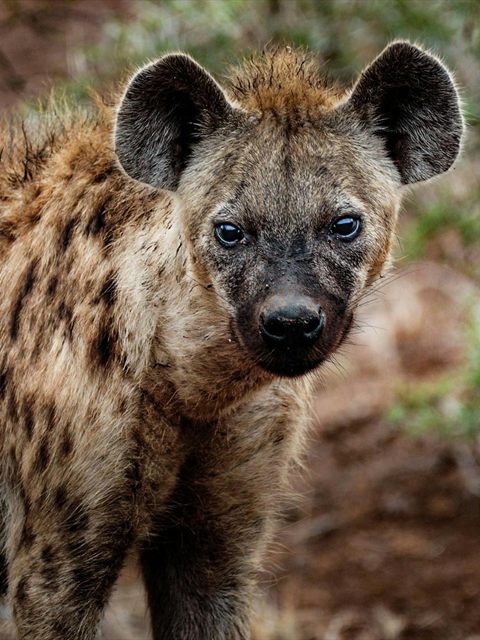
- Lions, hyenas, and crocodiles are known to prey on young Masai giraffes, while adult giraffes have few natural predators due to their size.
- Defense Mechanisms
- Masai giraffes use their height and speed to escape predators, and they can deliver powerful kicks if threatened.
- Compatible Animals
- Zebras, antelopes, ostriches
- Found in Zoos
- Common