


MCKINDER'S EAGLE OWL
Bubo capensis mackinderi
DESCRIPTION
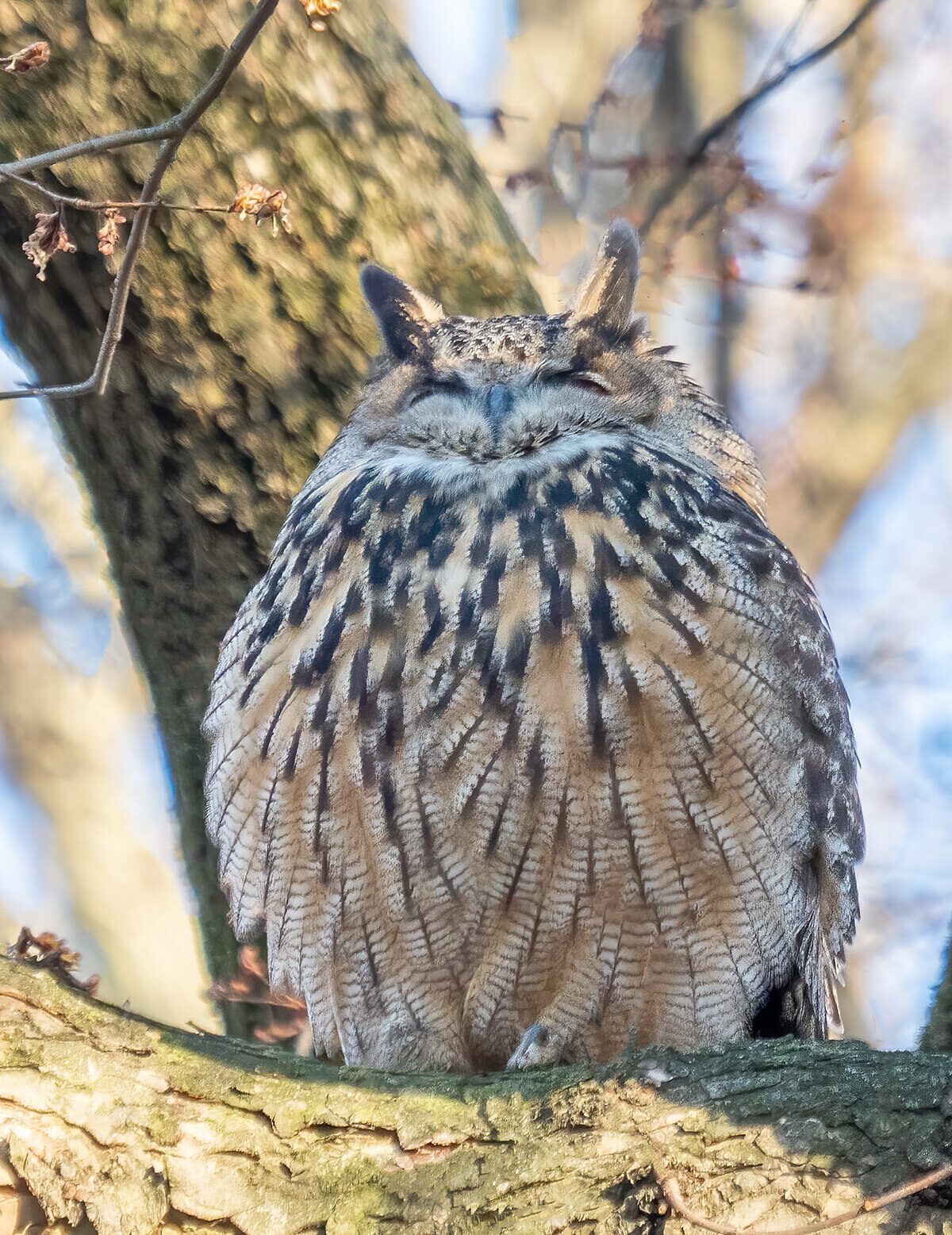
McKinder's eagle owl (Bubo capensis mackinderi) is a large and powerful owl known for its striking appearance, featuring prominent ear tufts and a distinctive facial disc. This subspecies exhibits a rich brown and buff coloration with intricate patterns that provide excellent camouflage in its natural habitat. Primarily nocturnal, it is an adept hunter, utilizing its keen eyesight and hearing to locate prey in the dark, often perching silently before swooping down to catch its next meal.
FUN FACTS
- McKinder's eagle owl is known for its impressive wingspan, which can reach up to 1.5 meters, allowing it to glide silently through the night sky
- Additionally, these owls have a unique vocalization that can be heard over long distances, often described as a deep, resonant hoot that plays a crucial role in communication and territory establishment
QUICK INFO
Lifespan10-15 years in the wild, up to 20 in captivity
Average Weight1.5-2.5 kg
Average Length50-60 cm
Diet TypeCarnivore
Social Structuresolitary, pairs during breeding season
Activity PatternNocturnal
Breeding SeasonSpring (March-May)
- Habitat
- McKinder's eagle owl inhabits a variety of environments, including savannas, woodlands, and rocky hillsides. It prefers areas with open spaces for hunting and nearby cover for nesting.
- Biomes
- Savanna, Woodland
- Native Range
- This subspecies is native to parts of eastern and southern Africa, particularly in regions with suitable habitats for hunting and nesting.
- Continent
- Africa
- Countries
- Kenya, Tanzania, Zambia, Botswana
- Diet
- It primarily feeds on small mammals, birds, and occasionally reptiles. Its hunting strategy involves stealth and surprise, often taking advantage of its excellent camouflage.
- Diet Type
- Carnivore
- Favorite Food
- small mammals, birds
- Social Structure
- solitary, pairs during breeding season
- Activity Pattern
- Nocturnal
- Group Size
- 1-2
- Territorial
- 1
1.5-2.5 kg
Weight
50-60 cm
Length
- Coloration
- rich brown and buff with intricate patterns
- Sexual Dimorphism
- females are generally larger than males
- Lifespan
- 10-15 years in the wild, up to 20 in captivity
- Offspring per Birth
- 1-4
- Sexual Maturity
- 2-3 years
- Breeding Season
- Spring (March-May)
LC
Least Concern
IUCN Red List Status
- Population Status
- The population status is currently stable, but habitat loss poses a potential threat.
- Wild Population Estimate
- unknown
- Population Trend
- Stable
- Endangered
- 0
- Threats
- Main threats include habitat destruction due to agriculture and urbanization. Additionally, hunting and persecution in some areas can impact local populations.
- Predators
- larger birds of prey, humans
- Defense Mechanisms
- It relies on camouflage and its ability to remain silent to avoid detection by predators.
- Found in Zoos
- Uncommon