


MEADOW VOLE
Microtus pennsylvanicus
DESCRIPTION
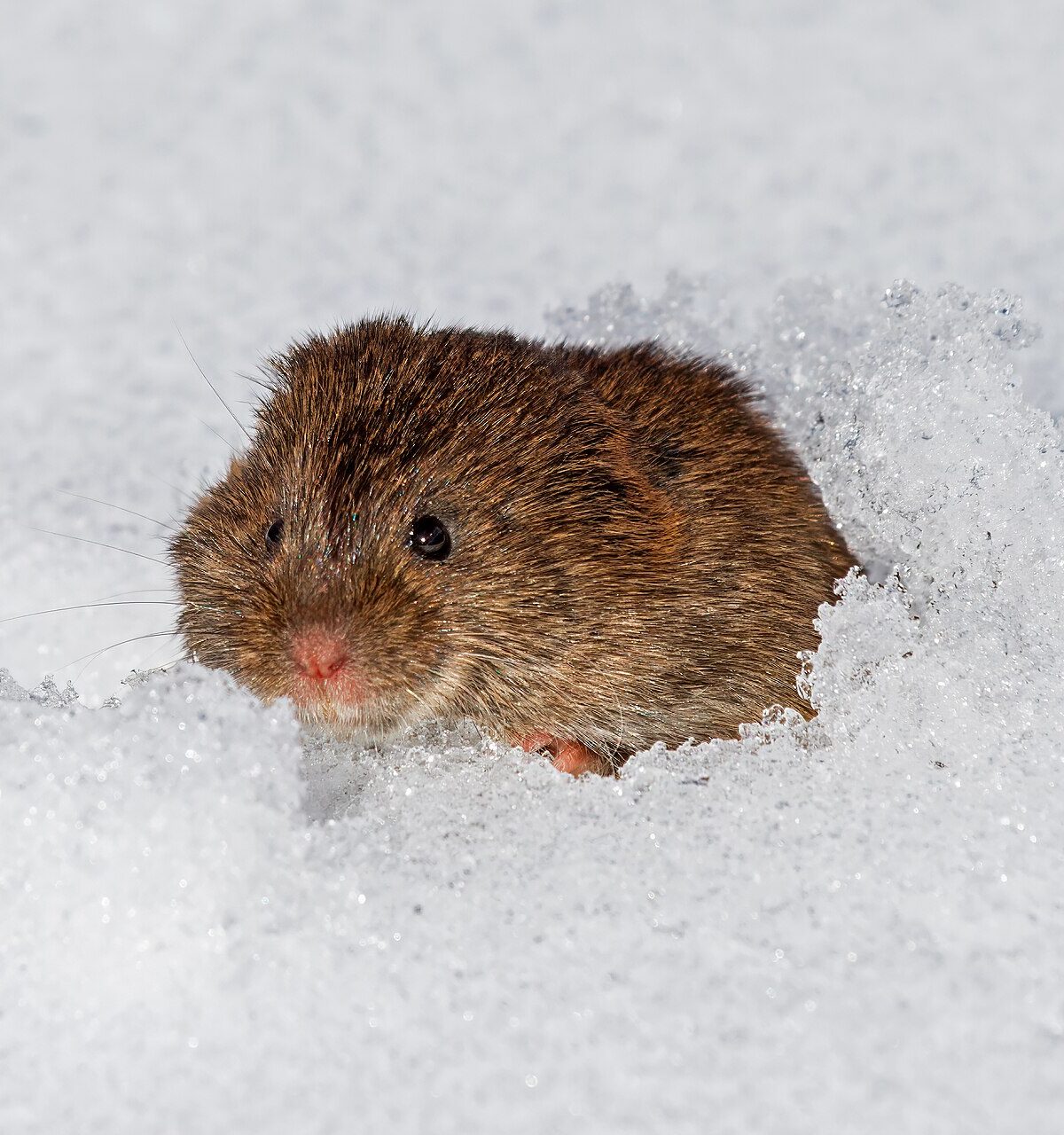
Meadow Vole (Microtus pennsylvanicus) is a small rodent characterized by its stocky body, short tail, and small ears. It typically has a brownish or grayish fur that provides excellent camouflage in its grassy habitat. These voles are known for their burrowing behavior and can create extensive tunnel systems in meadows and fields, where they spend much of their time foraging and nesting.
FUN FACTS
- Meadow voles are known for their rapid reproduction rates, with females capable of producing multiple litters each year
- This high reproductive potential allows their populations to recover quickly from predation and environmental changes
- | These voles play a crucial role in their ecosystem as prey for a variety of predators, helping to maintain the balance of the food web
- Their burrowing activities also aerate the soil, promoting plant growth and health
QUICK INFO
Lifespan1-2 years in the wild, up to 3 years in captivity
Average Weight30-70 g
Average Length12-20 cm
Diet TypeHerbivore
Social Structuregroup — they often live in colonies, which can consist of several individuals.
Activity PatternDiurnal
Breeding SeasonSpring to Fall
- Habitat
- Meadow voles inhabit moist grasslands, meadows, and fields, often near water sources. They prefer areas with dense vegetation that provides cover from predators.
- Biomes
- Temperate Grassland, Wetland
- Native Range
- The native range of the Meadow Vole extends across much of North America, from Canada to the northern United States.
- Continent
- North America
- Countries
- Canada, United States
- Diet
- Meadow voles primarily feed on grasses, sedges, and other herbaceous plants. They may also consume seeds and roots, depending on the season and availability.
- Diet Type
- Herbivore
- Favorite Food
- grasses, sedges
- Social Structure
- group — they often live in colonies, which can consist of several individuals.
- Activity Pattern
- Diurnal
- Group Size
- 5-30
- Territorial
- 0
 CR
CR
 LC
LC
 LC
LC
30-70 g
Weight
12-20 cm
Length
- Coloration
- brownish or grayish fur with a lighter underbelly
- Lifespan
- 1-2 years in the wild, up to 3 years in captivity
- Gestation Period
- 21 days
- Offspring per Birth
- 3-6
- Sexual Maturity
- 1-2 months
- Breeding Season
- Spring to Fall
LC
Least Concern
IUCN Red List Status
- Population Status
- The population of Meadow Voles is generally stable, but they can experience fluctuations based on environmental conditions.
- Wild Population Estimate
- unknown
- Population Trend
- Stable
- Endangered
- 0
- Threats
- Main threats to Meadow Voles include habitat loss due to agricultural expansion and urban development. Additionally, they are susceptible to predation by various animals.
- Predators
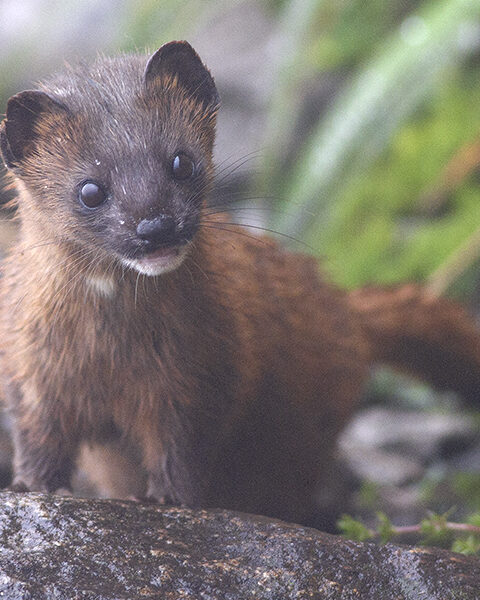
- hawks, owls, foxes, snakes, weasels
- Defense Mechanisms
- Meadow voles rely on their burrowing abilities and dense vegetation for protection from predators.
- Found in Zoos
- Rare