


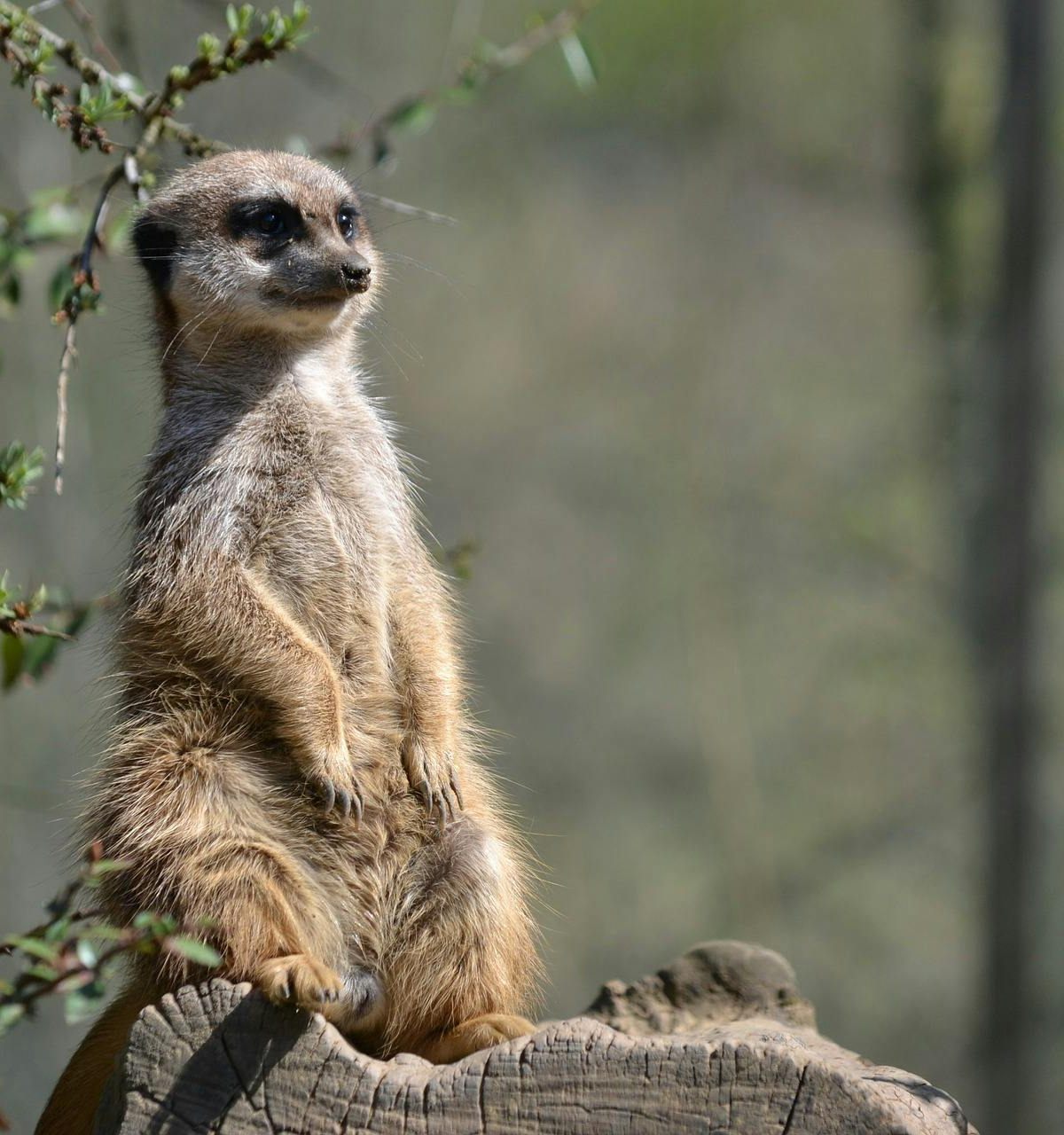
MEERKAT
Suricata suricatta
DESCRIPTION
Meerkats are small, social mammals known for their upright posture and cooperative behavior. They live in groups called mobs and are highly adapted to their arid environments.
FUN FACTS
- Meerkats have a unique way of standing on their hind legs to survey their surroundings | They have a complex social structure with designated roles for each member | Meerkats can tolerate venom from certain snakes
QUICK INFO
Lifespan6-10 years in the wild, up to 14 in captivity
Average Weight0.6-1 kg
Average Length25-35 cm
Diet TypeInsectivore
Social Structuregroup — they live in family groups called mobs, typically consisting of 20-50 individuals.
Activity PatternDiurnal
Breeding SeasonYear-round, with peaks in spring and summer
- Habitat
- Meerkats inhabit arid regions such as deserts and semi-deserts. They prefer areas with sparse vegetation where they can dig burrows.
- Biomes
- Desert, Savanna
- Native Range
- Meerkats are native to southern Africa, particularly in regions of Botswana, Namibia, and South Africa.
- Continent
- Africa
- Countries
- Botswana, Namibia, South Africa
- Diet
- Meerkats primarily eat insects, but they also consume small vertebrates, fruits, and plants. Their diet is diverse, allowing them to thrive in harsh conditions.
- Diet Type
- Insectivore
- Favorite Food
- insects, especially beetles and larvae
- Social Structure
- group — they live in family groups called mobs, typically consisting of 20-50 individuals.
- Activity Pattern
- Diurnal
- Group Size
- 20-50
- Territorial
- 1
 LC
LC
 CR
CR
 LC
LC
 LC
LC
0.6-1 kg
Weight
25-35 cm
Length
- Coloration
- light brown with darker stripes on the back
- Sexual Dimorphism
- males are slightly larger than females
- Lifespan
- 6-10 years in the wild, up to 14 in captivity
- Gestation Period
- 11 weeks
- Offspring per Birth
- 2-5
- Sexual Maturity
- 1-2 years
- Breeding Season
- Year-round, with peaks in spring and summer
LC
Least Concern
IUCN Red List Status
- Population Status
- The population is currently stable, but local declines have been noted in some areas.
- Wild Population Estimate
- 100,000+
- Population Trend
- Stable
- Endangered
- 0
- Threats
- Main threats include habitat loss and predation by domestic animals. Climate change also poses a risk to their arid habitats.
- Predators
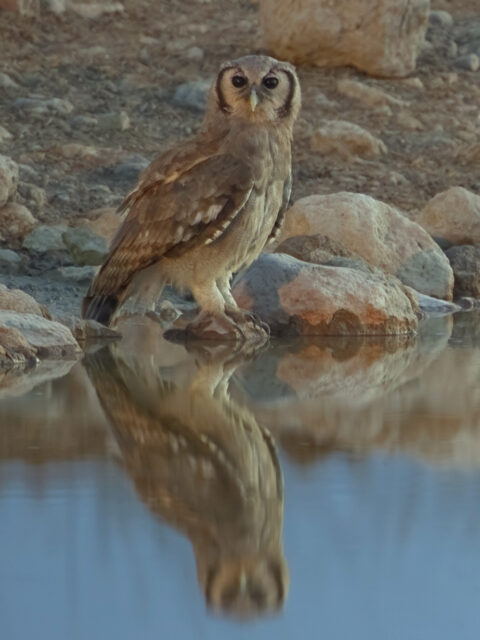
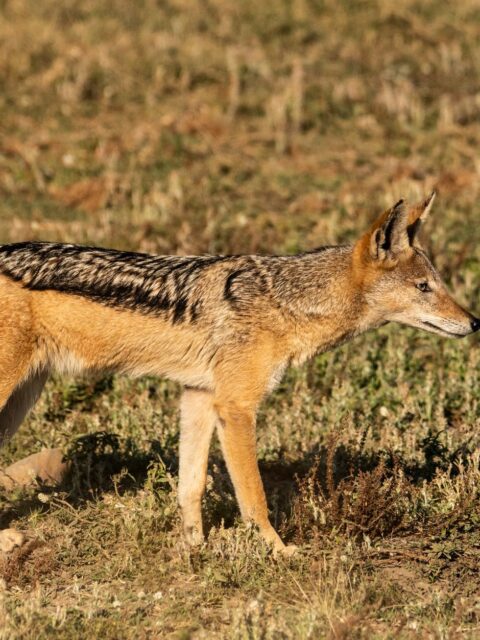
- eagles, hawks, snakes, and jackals
- Defense Mechanisms
- Meerkats use alarm calls to warn of predators and will mob larger threats to protect their group.
- Compatible Animals
- none
- Found in Zoos
- Common