


MELLER'S DUCK
Anas melleri
DESCRIPTION
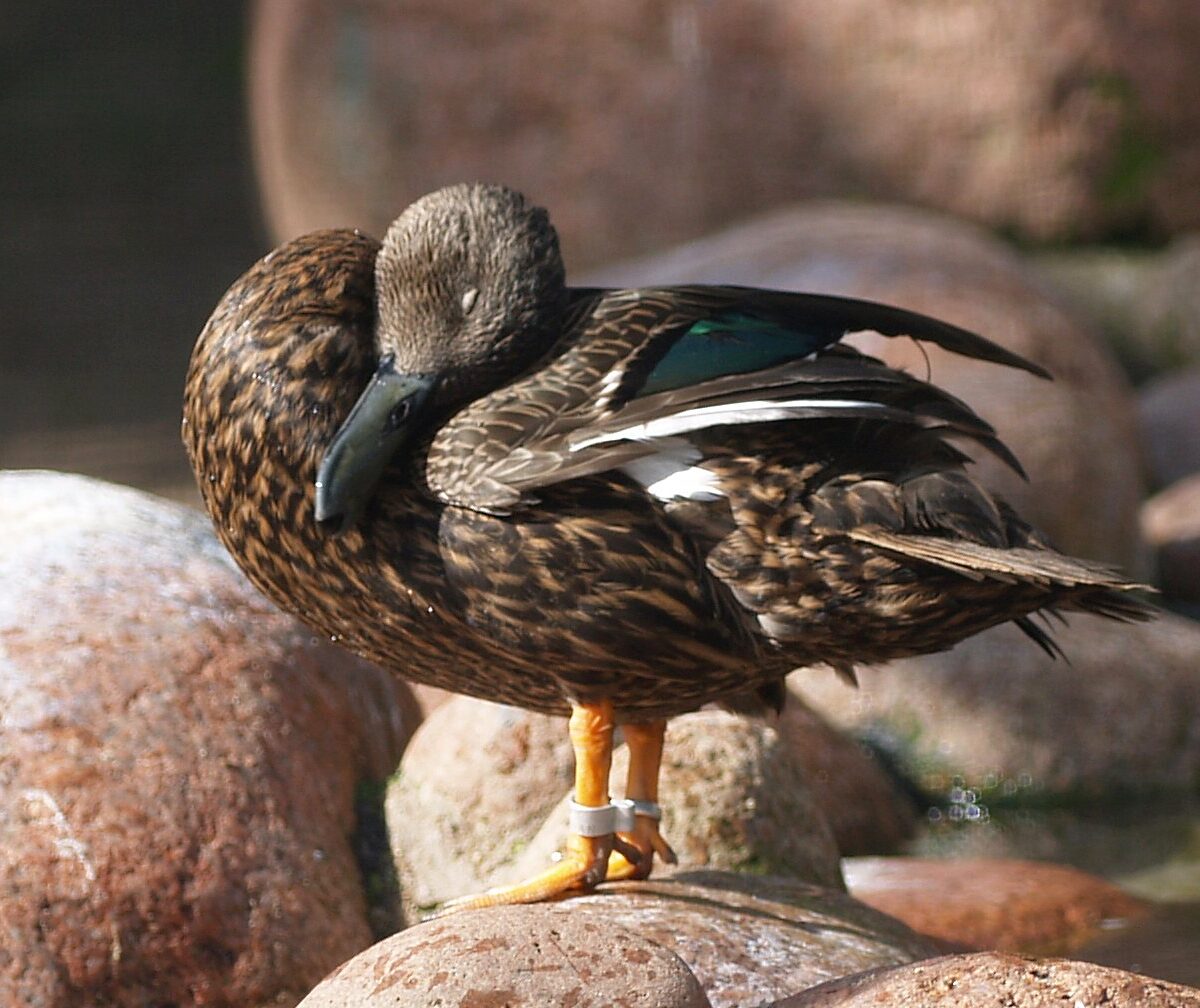
Meller's Duck (Anas melleri), also known as Meller's Teal, is a medium-sized duck characterized by its striking plumage, which includes a dark green head and a distinctive white stripe along its neck. This species is primarily found in freshwater wetlands and marshes, where it exhibits a preference for dense vegetation. Meller's Duck is known for its shy and elusive behavior, often hiding among reeds and grasses, making it a challenge to observe in the wild.
FUN FACTS
- Meller's Duck is known for its unique courtship displays, which include elaborate vocalizations and posturing to attract mates
- These displays are often performed in the early morning or late afternoon, making them a fascinating sight for birdwatchers
- | Despite being a relatively lesser-known species, Meller's Duck plays a crucial role in its ecosystem by helping to maintain the health of wetland habitats through its feeding habits
- Its presence indicates a healthy aquatic environment, which is vital for many other species
QUICK INFO
Lifespan10-15 years in the wild
Average Weight600-800 g
Average Length50-60 cm
Diet TypeOmnivore
Social Structurepair or small group, often seen in pairs during the breeding season
Activity PatternDiurnal
Breeding SeasonSpring to early summer
- Habitat
- Meller's Duck inhabits freshwater wetlands, marshes, and swamps, often favoring areas with dense vegetation for cover. These habitats provide essential resources for feeding and nesting.
- Biomes
- Wetlands, Marshes
- Native Range
- Meller's Duck is native to the wetlands of eastern and southern Africa, particularly in countries like Zambia, Malawi, and Tanzania.
- Continent
- Africa
- Countries
- Zambia, Malawi, Tanzania
- Diet
- Meller's Duck primarily feeds on aquatic plants, seeds, and invertebrates found in its wetland habitat. It forages by dabbling on the water's surface and grazing on vegetation.
- Diet Type
- Omnivore
- Favorite Food
- aquatic plants, seeds, invertebrates
- Social Structure
- pair or small group, often seen in pairs during the breeding season
- Activity Pattern
- Diurnal
- Group Size
- 2-10
- Territorial
- 0
 LC
LC

600-800 g
Weight
50-60 cm
Length
- Coloration
- dark green head, white neck stripe, brownish body
- Sexual Dimorphism
- males are more brightly colored than females
- Lifespan
- 10-15 years in the wild
- Offspring per Birth
- 6-12
- Sexual Maturity
- 1 year
- Breeding Season
- Spring to early summer
LC
Least Concern
IUCN Red List Status
- Population Status
- The population of Meller's Duck is currently considered to be stable, but habitat loss poses a potential threat.
- Wild Population Estimate
- unknown
- Population Trend
- Stable
- Endangered
- 0
- Threats
- The main threats to Meller's Duck include habitat destruction due to agricultural expansion and wetland drainage. Additionally, hunting and disturbance from human activities can impact local populations.
- Predators
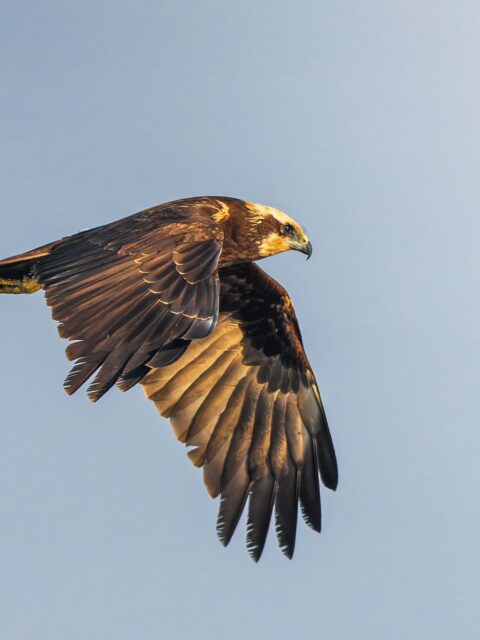
- Marsh Harrier, African Fish Eagle, various terrestrial mammals
- Defense Mechanisms
- Meller's Duck relies on camouflage and dense vegetation to avoid predators.
- Found in Zoos
- Uncommon